Author: yattendon

From Waste to Walking: Reusing Prosthetics Changes Lives Globally

From Waste to Walking: Reusing Prosthetics Changes Lives Globally

  • Penta Medical Recycling has carved a special niche in global health by addressing the pressing needs of underserved amputees worldwide. This US nonprofit organization collects, refurbishes, and redistributes prosthetic components from across the United States to low- and middle-income countries, where resources are scarce and prosthetic care is often unaffordable. Over the eight years since its inception, Penta has expanded its operations to 29 countries across six regions of the world. Through a commitment to sustainability, innovation, and equity, Penta Medical Recycling  exemplifies how the principles of the circular economy can be applied to transform lives.


Sustainability in prosthetic care: reusing and redistributing

At the heart of Penta’s mission lies the principle of the circular economy: reusing and redistributing prosthetic components to reduce waste and maximize impact. By collecting used and new prosthetic parts from individuals and medical clinics in the US, the organization diverts these items from landfills and repurposes them for patients in need.

From an environmental standpoint, this approach tackles the significant issue of prosthetic material disposal. By diverting prosthetics from landfills through redistribution, the organization prevents these components from contributing to environmental pollution. Each reused component reduces the need for new manufacturing, saving valuable resources such as metals and polymers and mitigating the broader ecological impact of industrial waste.

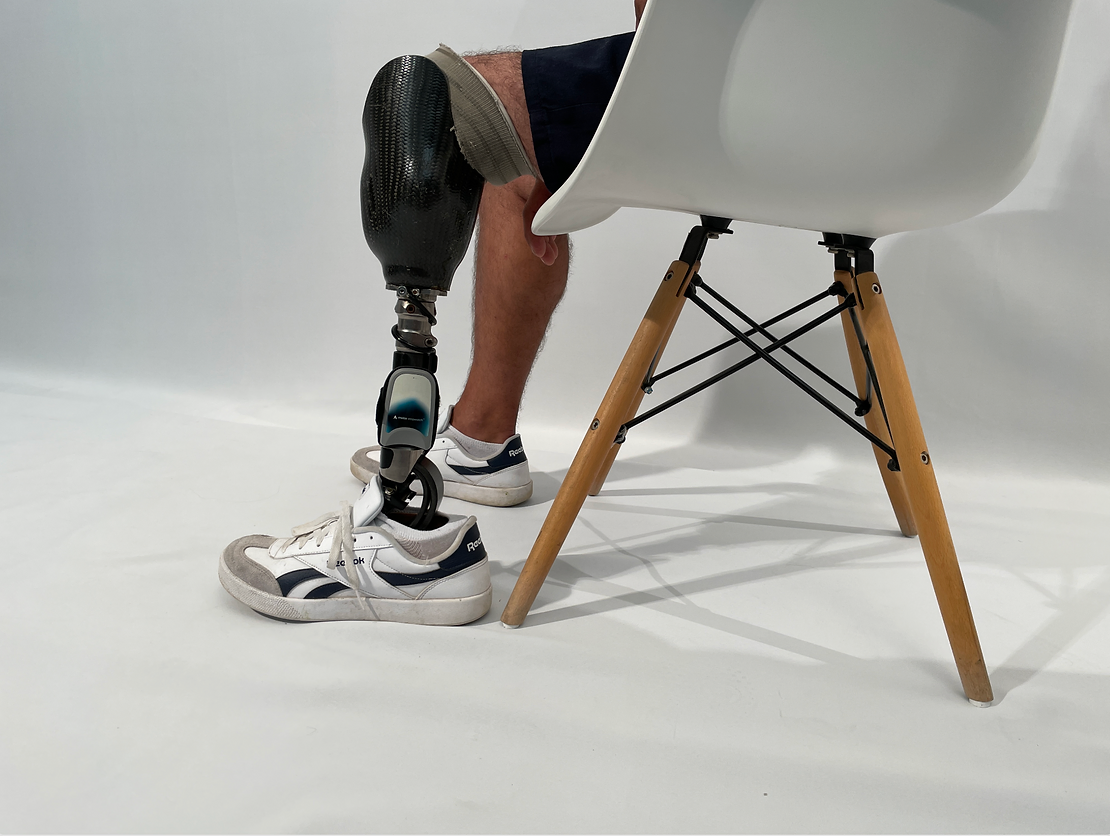
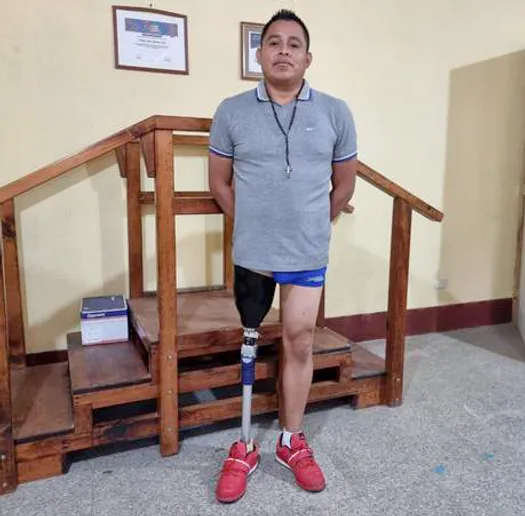
Victor from Guatemala lost his leg in an accident with a drunk driver. Penta was able to provide prosthesis components and Victor now looks forward to continuing working as a  carpenter.
Victor from Guatemala lost his leg in an accident with a drunk driver. Penta was able to provide prosthesis components and Victor now looks forward to continuing working as a carpenter.
 

Economically, this model alleviates financial burdens for both the organization and the recipients. Many prosthetic components—though no longer suitable for their original users—retain functionality. By redistributing these components, Penta Medical Recycling  reduces the costs associated with creating new prosthetics and ensures that every dollar spent by donors has a greater impact.

On the social front, this sustainable model fosters inclusivity, giving amputees in underserved regions access to life-changing technology they would otherwise be unable to afford. It also helps address the inequities exacerbated by poverty, and systemic healthcare disparities.


Operational excellence: The inventory management system

To ensure that these efforts are as efficient and impactful as possible, Penta developed a custom-built inventory management system. This system tracks each donated component from its arrival at the warehouse to its final placement with a medical centre.

The platform integrates live data, enabling partner clinics to view available inventory and request specific components in real-time. This outward-facing feature is key, as it empowers healthcare centres to directly choose prosthetics tailored to their specific needs. By allowing practitioners to match components with patient requirements, the system ensures prosthetists can select components that optimize the customization and fitting process. 


“We believe in empowering healthcare centres. By allowing them to choose exactly what they need, we minimize waste and maximize patient outcomes.”

— Mija Strong, Director of Operations at Penta Medical Recycling
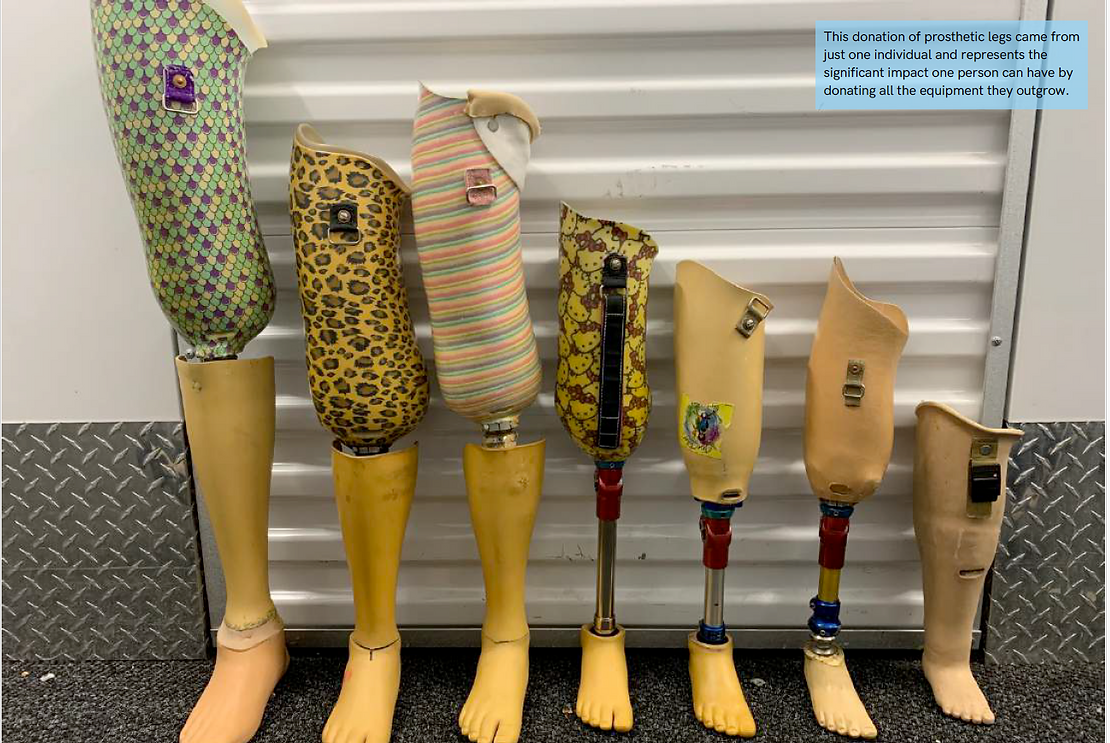
Image (C) Penta Medical Recycling

Vetting healthcare centres for equity

A cornerstone of Penta’s mission is ensuring that its resources reach those most in need. This commitment begins with a thorough vetting process for healthcare centres receiving prosthetic components.

Partners are evaluated based on their ability to provide equitable care and their adherence to ethical standards. Penta prioritizes clinics serving underserved populations, particularly those unable to afford prosthetic care independently. Conversations, site visits, and trial shipments form the foundation of these partnerships, ensuring that clinics can responsibly utilize the donated components.

Trust and accountability are reinforced through patient surveys and usage reports, which help track the impact of the distributed components. This approach mitigates risks, such as the misuse or resale of prosthetic parts, and ensures that the organization’s efforts align with its core mission.


Social impact and patient outcomes

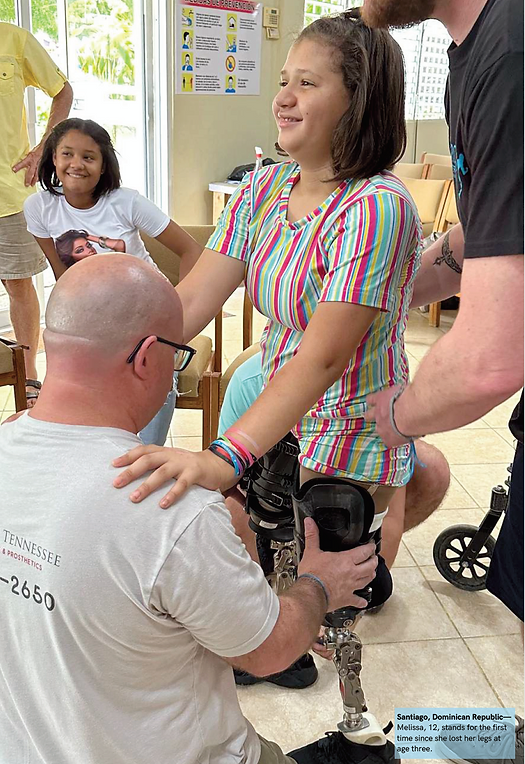
In 2024 alone, Penta distributed nearly 3,700 prosthetic components, enough to support at least 740 individuals. These numbers, however, tell only part of the story. Behind every shipment is a human narrative of restored mobility, independence, and dignity.

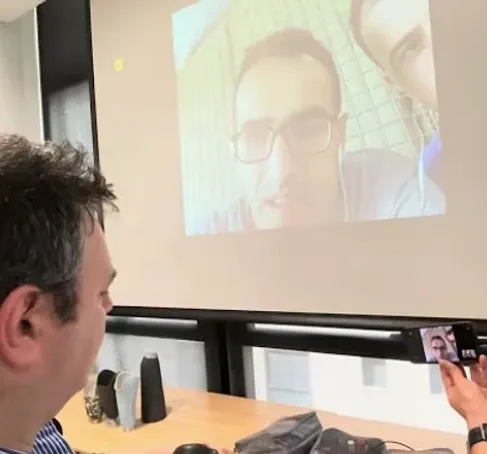
One instance involved a young donor in Philadelphia whose prosthetic components were refurbished and distributed to a boy in Liberia. The two later connected via a video call and were able to share the deeply personal impact on both. Such stories underscore the profound social value of Penta Prosthetics’ mission.


“Behind every shipment, there’s a story of renewed hope and mobility. This is why we do what we do.”

— Anna Szczepanek, Executive Director of Penta Medical Recycling

While collecting patient feedback is challenging, particularly in regions with limited healthcare infrastructure, the organization’s efforts to gather qualitative and quantitative data have improved over time. These insights not only validate the organization’s impact but also drive further support from donors and partners.

Nonprofit funding model

Penta operates as a nonprofit organization, relying on a diverse array of funding sources, including individual donors, family foundations, and grants. Despite its lean operations, the organization’s ability to sustain its mission hinges on consistent financial support.

One of the challenges lies in balancing operational costs, such as inventory management, with the need to expand services. To address these constraints, Penta Prosthetics has explored partnerships with corporate donors and other philanthropic entities. Additionally, its meticulous and transparent tracking system of every component strengthens donor trust, as donors of prosthetics can see the specific impact of their contributions.


“Through our system, a donor can track their knee going to Honduras and their pylon to Liberia, knowing exactly how each piece is giving someone a second chance at mobility.”

— Anna Szczepanek, Executive Director of Penta Medical Recycling


Conclusion

Penta Prosthetics is a testament to the transformative power of sustainability and innovation in global health. By integrating the principles of the circular economy into its operations, the organization reduces environmental impact, optimizes economic resources, and fosters social equity. Its cutting-edge inventory management system and rigorous vetting process ensure that its resources reach those most in need, amplifying its impact.

As Penta continues to grow, its mission remains clear: to restore mobility, dignity, and hope to underserved amputees worldwide. Through its commitment to sustainability, this small but deeply inspiring nonprofit offers a model for how compassion and ingenuity can create a more equitable world.

Continue reading

How the Restoring Hope response to the crisis in Gaza could benefit amputee children around the World

How the Restoring Hope response to the crisis in Gaza could benefit amputee children around the World

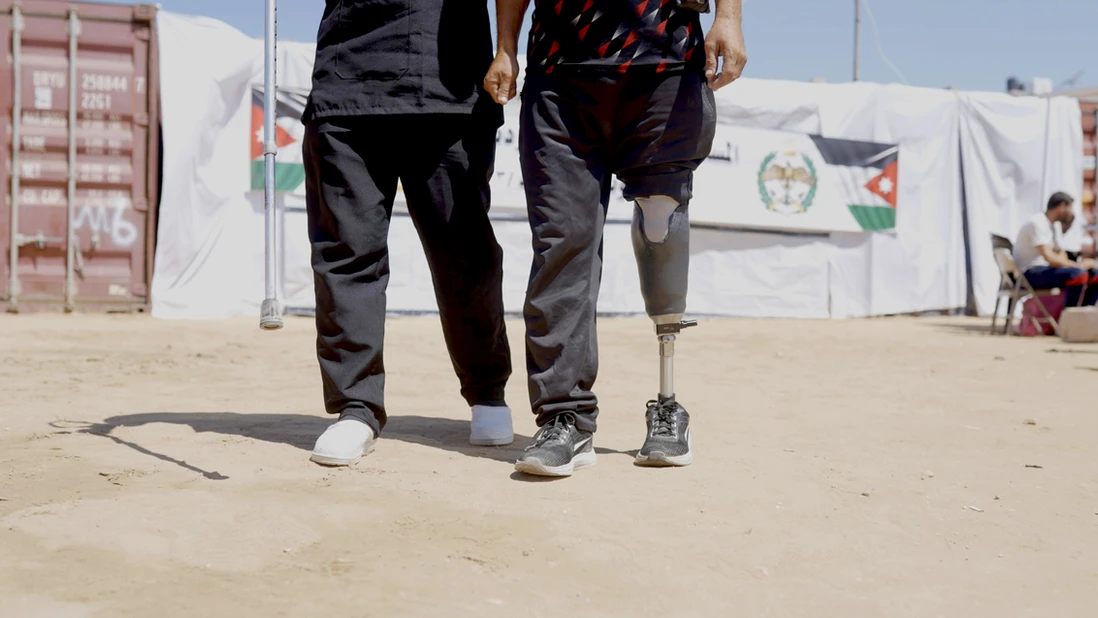
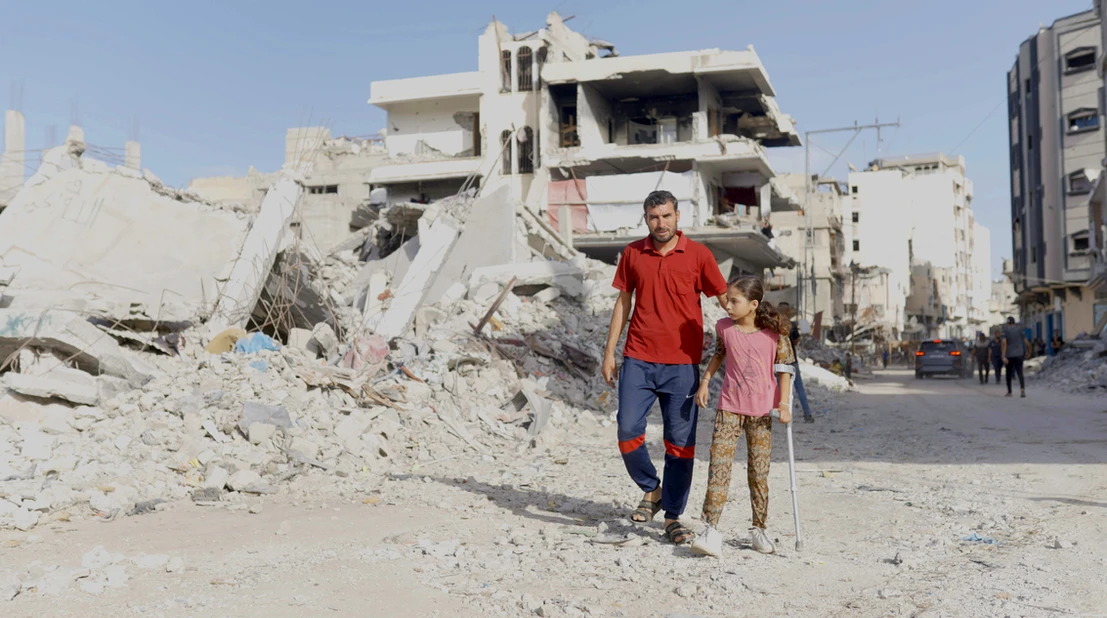
The devastating conflict in Gaza has created an unprecedented crisis in paediatric amputee care, with thousands of children requiring immediate and long-term support. Whilst the situation is heart-breaking, Jordan’s innovative response to this humanitarian emergency could revolutionise how we care for child amputees globally, particularly in resource-limited settings.

The Traditional Challenge of Paediatric Amputee Care

For decades, prosthetic care has primarily focused on adults, creating significant gaps in paediatric services. Adult prosthetics are designed for stable body dimensions, whereas children’s bodies are constantly growing and changing. This means children typically need multiple prosthetic adjustments and replacements throughout their development, leading to substantial ongoing social and economic costs (see www.lsngroup.org/post/early-intervention-in-prosthetic-care-the-game-changing-potential-to-unlock-higher-roi) for families and healthcare systems.

Moreover, children’s prosthetic needs differ fundamentally from adults’. Whilst adult prosthetics typically optimise for work and daily living activities, children require designs that support play, school participation, and sports. Their prosthetics must be more durable to withstand active play and have different weight-to-strength ratios to accommodate their smaller frames.

The Restoring Hope Initiative in Gaza

In response to the crisis in Gaza, LSN is exploring ways of establishing a comprehensive paediatric amputee care programme that addresses these longstanding challenges through the Restoring Hope Initiative.

The approach combines several innovative elements that could serve as a model for paediatric amputee care worldwide.

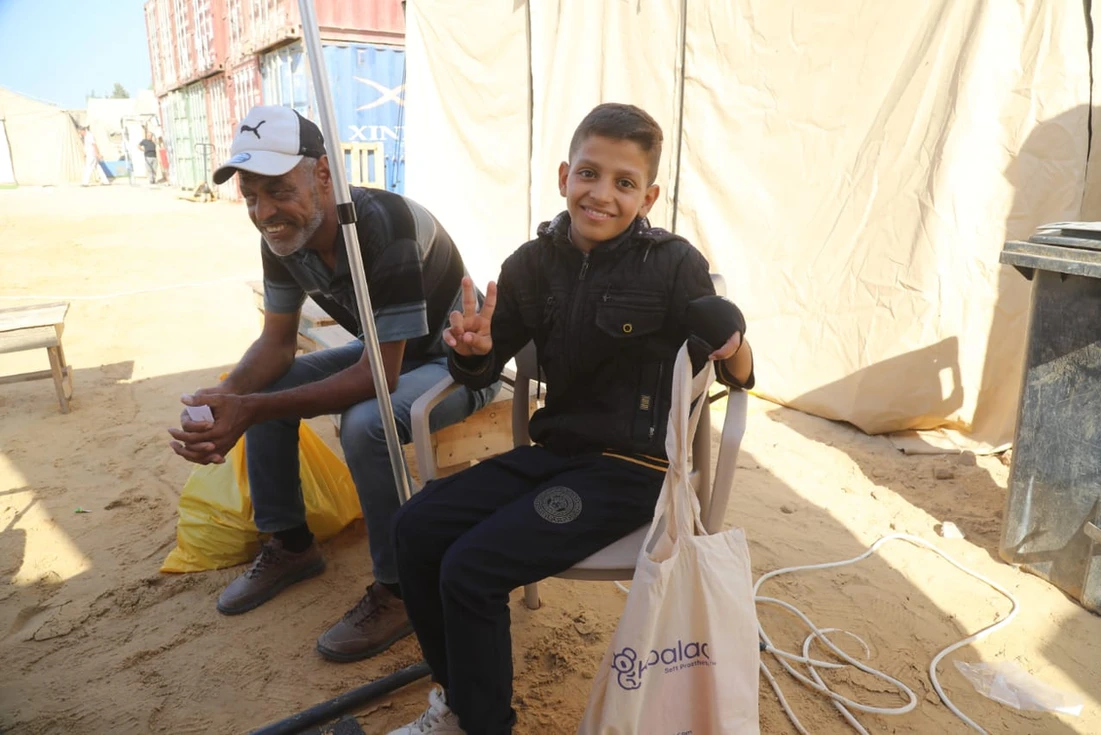
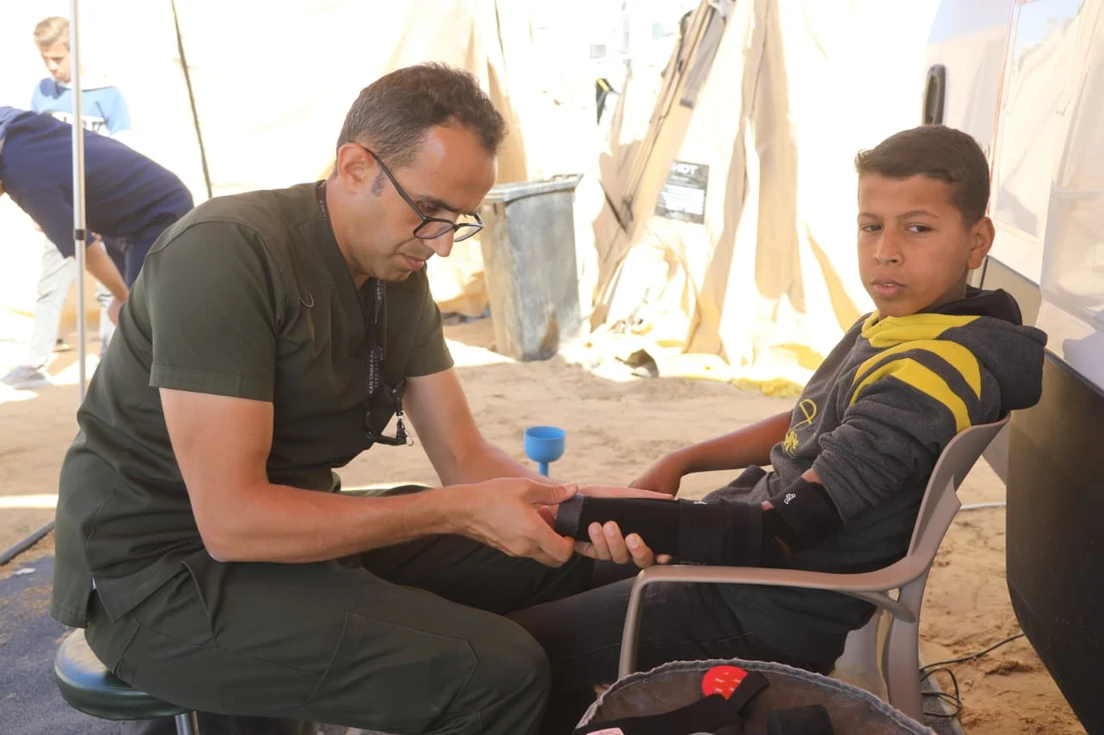
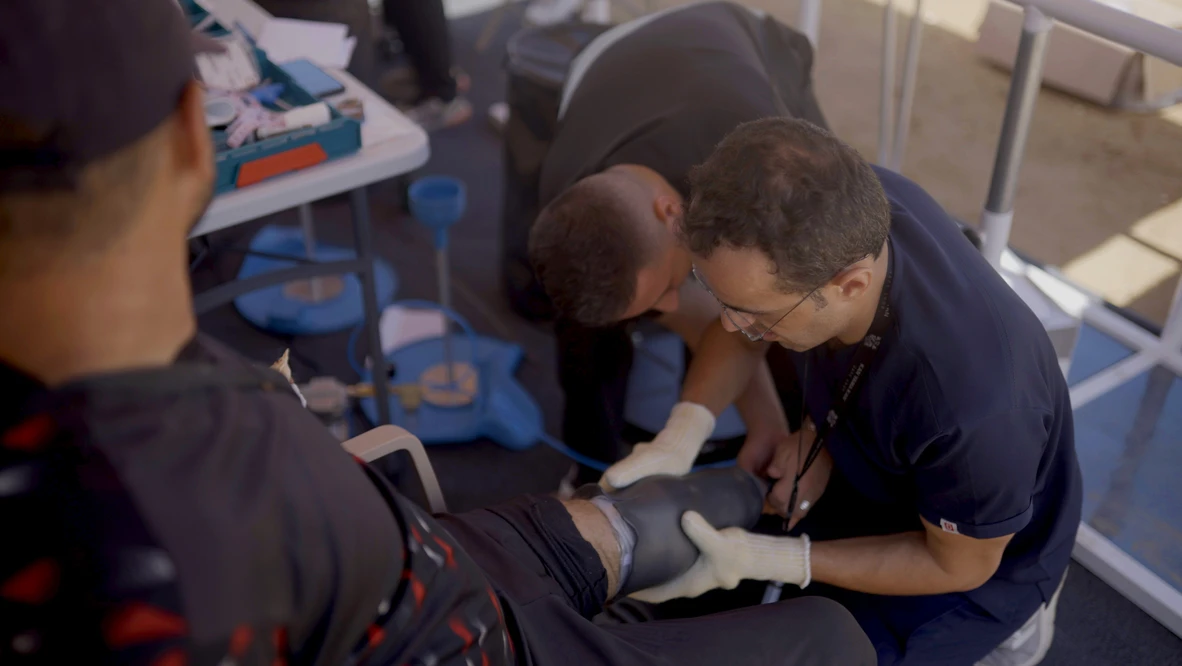
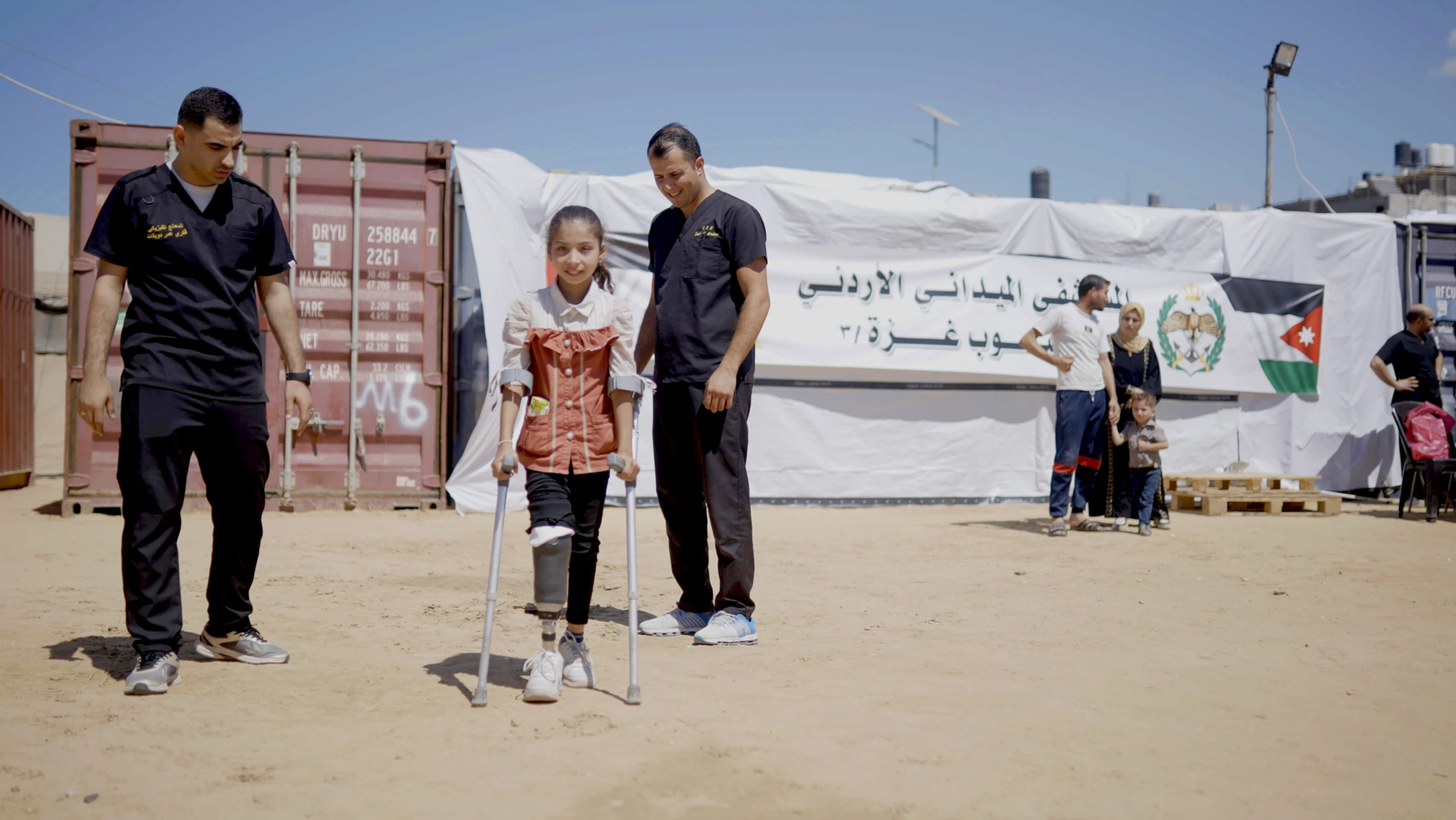
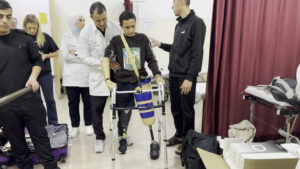
The first element is the introduction of fast-fitting prosthetics, where children can be fitted with prostheses in a matter of a couple of hours, meaning that they don’t lose weeks with fittings and avoid all the commensurate complications ( physical, emotional, educational, psychological) that a delay invokes.

For upper limbs at least, fast-fitting prosthetics can be fitted within 24 hours of surgery, so the prosthesis, like getting a new pair of glasses or new shoes, immediately becomes part of their identity.

The second element is the use of modular prosthetic systems specifically designed for children, building on existing, proven technologies. The new features involve adjustable components that can “grow” with the child, significantly reducing the need for frequent replacements. The designs prioritise affordability and durability whilst maintaining functionality, making them particularly suitable for resource-limited settings. Modular prosthetics also reduce economic (and social) costs hugely (see https://www.lsngroup.org/post/transforming-lives-through-sustainable-prosthetics, as individual components can be replaced rapidly and cheaply with a child’s growth.

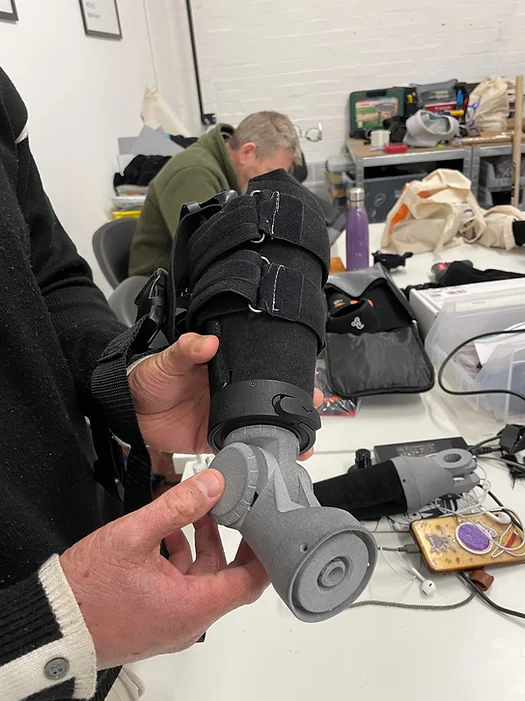
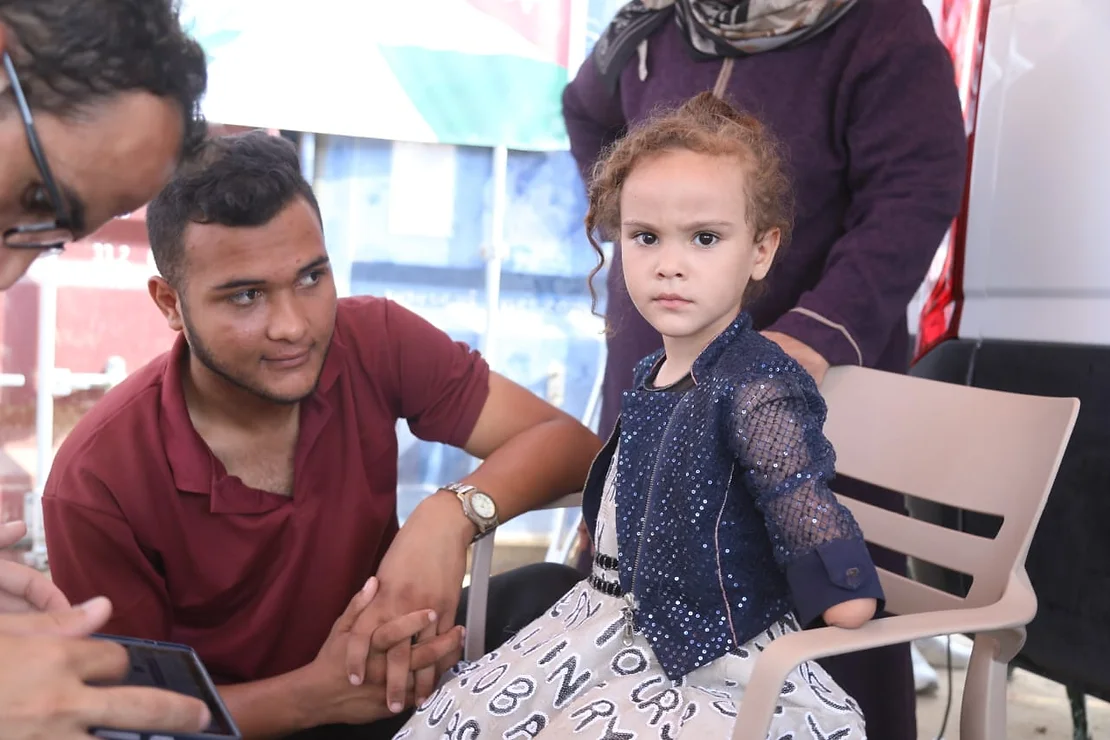
  • A modular fast-fitting arm prosthetics that can grow with children, significantly reducing the need for frequent replacements.

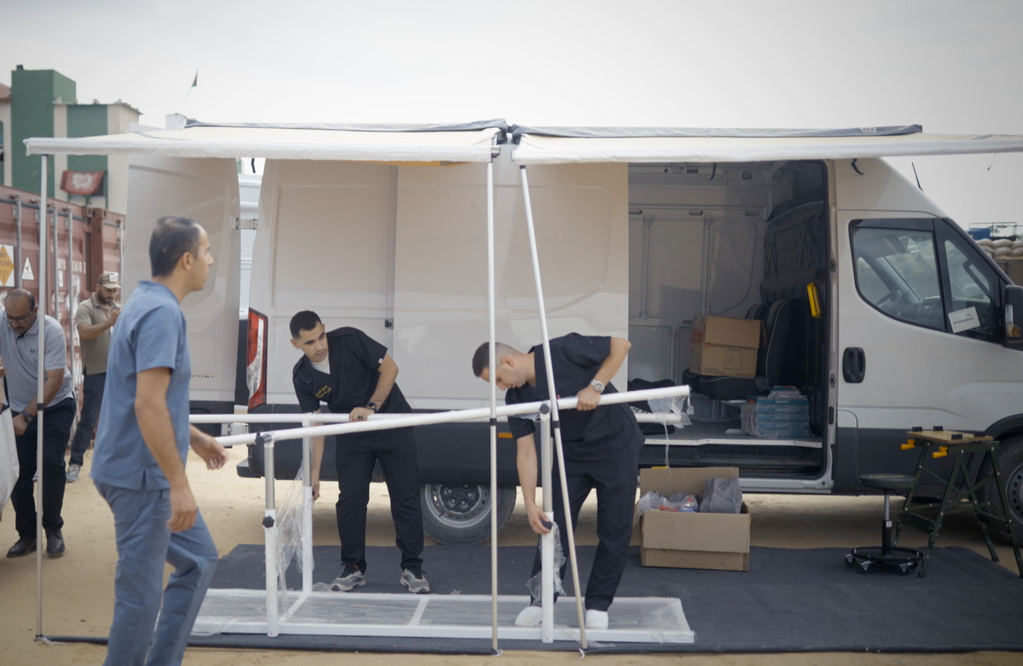
  • The third element is future proofing the approach so that it the amputee support services can be provided from a mobile base.  A distributed care network that brings services closer to patients. Mobile prosthetic clinics can then reach children who cannot travel to major medical centres, whilst telemedicine platforms enable remote consultations and adjustments. Whilst this approach could be especially valuable in crisis situations where traditional healthcare infrastructure may be compromised, it could transform conventional thinking about healthcare infrastructures making them much more cost effective and require less capital.

Integration of Support Services

Perhaps most significantly, this new programme recognises that successful paediatric amputee care extends far beyond the prosthetic device itself. Their integrated support system needs to combine physical therapy, psychological support, and educational assistance. We have documented in other briefs peer support networks that connect families facing similar challenges, whilst vocational training programmes help older children plan for their futures.

The programme can place greater emphasis family involvement, acknowledging that children’s care requires active participation from carers. Whilst in healthcare the focus is on the patient, with children the care they receive may affect the entire family. Caring for children is also about ensuring the family receive comprehensive education about prosthetic care, rehabilitation exercises, and supporting their child’s psychological adjustment.

Technology as an Enabler

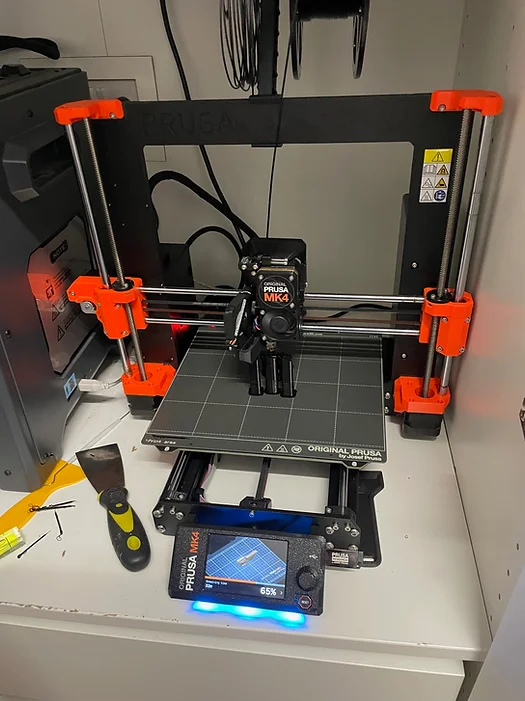
  • 3-D printing of a fast-fitting prosthetic; 3-D printing enables fast local production

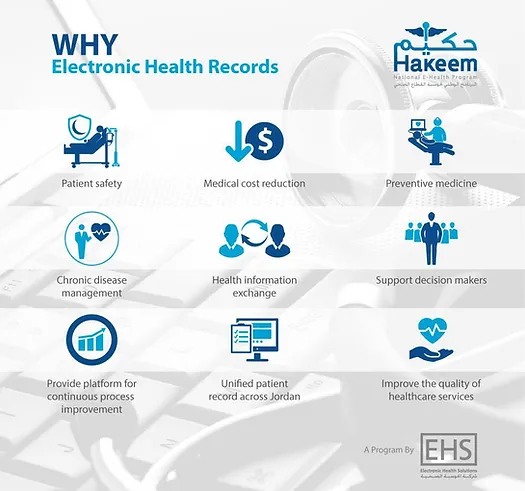
  • Modern technology plays a crucial role in making this comprehensive care model possible. New remouldable materials and 3-D printing capabilities can enable rapid, local production of prosthetic components, whilst digital health records track children’s growth and adjustment needs. Mobile apps could guide families through rehabilitation exercises, and telehealth platforms maintain continuous contact between medical teams and patients.

    Global Implications

    The innovations emerging from the response to the Gaza crisis could transform paediatric amputee care worldwide. The modular prosthetic designs, distributed care networks, and integrated support systems vital in an emergency setting could address the longstanding challenges in paediatric prosthetic care that affect children everywhere, from war zones to peaceful nations.

Their model illustrates how effective paediatric amputee care must be holistic, considering not just the physical need for a prosthetic device, but the entire ecosystem of support a child needs to thrive. This includes psychological support for trauma recovery, educational assistance to maintain academic progress, and family support systems to ensure sustainable care.

Looking Forward

Whilst born from crisis, this innovative approach to paediatric amputee care offers hope for children worldwide who need prosthetic support. By demonstrating that comprehensive, child-centred care is possible even in challenging circumstances, we are creating a blueprint that could benefit children everywhere, from those affected by conflicts to those who lose limbs through accidents or illness.

As we continue to learn from this model, we have the opportunity to transform paediatric amputee care globally, ensuring that every child who needs prosthetic support receives comprehensive, age-appropriate care that supports their full development and potential. Could the lessons learned from Restoring Hope in this humanitarian crisis help establish new international standards for paediatric amputee care, creating lasting positive change from an otherwise tragic situation?


Continue reading

Unlocking Healthcare Innovation: How Public-Private Partnerships are Revolutionizing Charitable Healthcare Delivery

Unlocking Healthcare Innovation: How Public-Private Partnerships are Revolutionizing Charitable Healthcare Delivery

The intersection of charitable healthcare and business innovation has historically been a challenging space to navigate. While the healthcare sector desperately needs innovative solutions to address growing global challenges, charitable organizations often find themselves constrained by limited resources and risk-averse funding models. However, Public-Private Partnerships (PPPs) are emerging as a powerful solution to bridge this gap, bringing together the mission-driven focus of charities with the innovative capabilities of the private sector.

Consider the ground-breaking partnership between Médecins Sans Frontières (MSF) and DNDi (Drugs for Neglected Diseases Initiative).

  • This collaboration brought together MSF’s frontline healthcare experience with pharmaceutical industry expertise to develop new treatments for neglected tropical diseases. The partnership has successfully developed eight new treatments since 2003, including a revolutionary oral treatment for sleeping sickness – a feat that would have been nearly impossible for either organization to achieve alone.

The traditional charitable healthcare model faces several inherent challenges when it comes to innovation. Most healthcare charities operate under strict funding constraints, with donors expecting the majority of their contributions to directly support patient care. This leaves minimal resources for research and development or experimental programs. Furthermore, the high-stakes nature of healthcare means that organizations are often reluctant to risk implementing unproven solutions, even when existing approaches are suboptimal.

The PATH Malaria Vaccine Initiative (MVI) demonstrates how PPPs can overcome these limitations.

  • By partnering with GlaxoSmithKline and receiving support from the Bill & Melinda Gates Foundation, MVI developed RTS,S/AS01, the first malaria vaccine to receive WHO recommendations for children at risk. The partnership combined GSK’s research capabilities and manufacturing expertise with PATH’s deep understanding of malaria-endemic communities and public health implementation.

What makes these partnerships particularly effective is their ability to leverage complementary strengths.

Private sector partners bring:

  • Advanced technological capabilities and R&D infrastructure

  • Expertise in scaling solutions efficiently

  • Access to capital markets and diverse funding sources

  • Experience in managing innovation risk

  • Sophisticated data analytics and outcome measurement systems


Meanwhile, charitable organizations contribute:

  • Deep understanding of healthcare needs in underserved communities

  • Established networks of healthcare providers and beneficiaries

  • Trust and credibility with stakeholders

  • Experience in navigating regulatory environments in challenging contexts

  • Mission-driven focus that ensures solutions remain accessible to those in need


Successful healthcare PPPs require careful structuring to maintain transparency and ensure alignment of objectives. The Global Fund to Fight AIDS, Tuberculosis and Malaria provides an excellent template, with its robust governance framework that includes:

  • Clear performance metrics that balance health outcomes with operational efficiency

  • Transparent reporting mechanisms that satisfy both donor requirements and business stakeholders

  • Structured decision-making processes that protect both charitable missions and business sustainability

  • Regular independent evaluations to assess impact and identify areas for improvement

Looking forward, the potential for PPPs to drive healthcare innovation is enormous. The Children’s Vaccine Initative and its successor GAVI have changed the model for vaccines.

The COVID-19 pandemic has demonstrated both the urgent need for innovative healthcare solutions and the power of cross-sector collaboration. Partnerships like COVAX, which brought together WHO, UNICEF, and numerous private sector partners to accelerate vaccine development and distribution, show how PPPs can tackle complex global health challenges at scale.

For charitable organizations considering PPPs, success depends on selecting partners whose capabilities complement their own strengths while sharing their commitment to improving healthcare outcomes. Equal attention must be paid to structuring partnerships that maintain accountability to donors while providing the flexibility needed for innovation.

The future of charitable healthcare lies not in choosing between traditional charitable models and business innovation, but in finding ways to combine the best of both worlds. Public-Private Partnerships offer a proven framework for achieving this balance, enabling organizations to maintain their charitable missions while leveraging private sector capabilities to drive innovation and improve healthcare delivery.

As global health challenges become increasingly complex, the role of PPPs in driving healthcare innovation will only grow in importance. Organizations that can successfully navigate these partnerships will be best positioned to deliver the innovative, scalable solutions needed to address tomorrow’s healthcare challenges while maintaining the transparency and accountability that donors expect.


Continue reading

Limbs for Life: Transforming Lives Through Sustainable Prosthetics

Limbs for Life: Transforming Lives Through Sustainable Prosthetics

Introduction: Bridging Gaps in Prosthetic Care

Access to prosthetic care is often limited for uninsured or underinsured individuals, particularly in economically disadvantaged regions. Limbs for Life, a non-profit organization based in the United States, has adopted an innovative and sustainable approach to meet this challenge. By integrating principles of the circular economy—recycling and repurposing prosthetic components—the organization provides affordable solutions to those who need them most. This case study explores Limbs for Life’s commitment to economic, environmental, and social sustainability, highlighting its funding model, healthcare vetting process, and transformative impact on amputees’ lives.


A Circular Economy Model: Sustainability in Action

The basis of Limbs for Life’s operations is in the circular economy approach: reuse, recycling, and resource efficiency. The organization sources used and surplus prosthetic components from clinics, manufacturers, and individuals across the United States, which would otherwise be unused or discarded.

  • Limbs for Life repurposes these components, providing limbs to those who would otherwise not be able access them and promoting a sustainable alternative to conventional healthcare practices. In doing so, the organization is also and extending the components’ lifecycle and reducing waste.

    This model exemplifies the principles of a circular economy, creating a ripple effect of benefits: reducing landfill waste, lowering the cost of prosthetic care, and improving accessibility for economically disadvantaged individuals.


Addressing Economic Sustainability: Cost-Effective Care

Economic barriers are a significant hurdle for many amputees seeking prosthetic care. Limbs for Life tackles this issue through its cost-efficient model. For every prosthetic device provided, the organization covers critical costs, including parts and clinic fitting fees, ensuring that financial constraints do not prevent individuals from regaining mobility.

Limbs for Life operates with a budget-conscious philosophy to ensure long-term sustainability. By matching demand with available financial resources, the organization maximizes its impact. In 2024, it allocated $300,000 to fund prosthetic fittings, benefiting over 120 individuals across the United States. Each prosthetic fitting—costing between $2,500 and $3,500—is funded through donations and an innovative endowment model.

This financial prudence extends to strategic decisions about recipient selection. Priority is given to individuals who demonstrate high potential for functional independence and social contribution. This focus ensures that each dollar spent delivers maximum value, both to the recipient and society.


Accountability: Ensuring Responsible Distribution

  • The process of selecting recipients and healthcare centres is a cornerstone of Limbs for Life’s success. Recognizing the importance of responsible distribution, the organization collaborates with over 300 clinics nationwide. These clinics perform evaluations to determine a candidate’s suitability for prosthetic use, assessing factors such as motivation, physical health, and potential for rehabilitation.

    For international recipients, the vetting process is even more rigorous. Individuals requesting components must provide detailed plans for usage, including the qualifications of prosthetists and logistical arrangements for fittings. This ensures that prosthetic components reach the right individuals and are used responsibly.

Limbs for Life also requires transparency from its partners, fostering trust and ensuring ethical distribution. By maintaining high standards for clinic partnerships, the organization safeguards the integrity of its mission and maximizes the impact of its work.


Social Sustainability: Empowering Individuals and Communities

Beyond economic and environmental goals, Limbs for Life is deeply committed to social sustainability. The organization’s mission is to enable amputees to lead independent, fulfilling lives, contributing to their families and communities.

The impact of receiving a prosthetic extends far beyond physical mobility. For many recipients, it marks the beginning of a journey toward regaining confidence, dignity, and economic productivity. Limbs for Life emphasizes the importance of follow-up care, ensuring that recipients can adapt to their prosthetics and achieve the best outcomes.

Randy Titony, the organization’s Director, highlights the human connections that underpin their work. “It’s not just transactional,” he notes. “We want to know our recipients, understand their stories, and support them beyond the fitting process.” This personalized approach creates a ripple effect of empowerment, inspiring recipients to give back to their communities.


  • The Funding Model: A Non-Profit with Purpose

    Limbs for Life’s funding model is a testament to its commitment to sustainability. Unlike many organizations, it operates with a financial structure where 100% of donations go directly toward funding prosthetics. Overhead expenses are covered by an endowment fund established through significant legacy gifts, such as a $14 million bequest from a former donor.

    This approach ensures that every dollar donated translates into tangible impact. The organization also engages in diverse fundraising efforts, including community events, individual contributions, and corporate partnerships. By cultivating relationships with donors and emphasizing transparency, Limbs for Life builds trust and secures ongoing support.


The Broader Impact: A Model for Sustainable Healthcare

Limbs for Life’s work exemplifies how principles of the circular economy can transform healthcare delivery. By repurposing materials, reducing costs, and prioritizing social outcomes, the organization offers a blueprint for sustainable, equitable care.

Its model addresses multiple facets of sustainability:

  • Economic: Cost-efficient care maximizes the impact of limited resources.

  • Environmental: Recycling prosthetic components minimizes waste and conserves resources.

  • Social: Empowering amputees fosters community resilience and individual independence.

These benefits demonstrate the potential of sustainable healthcare initiatives to drive meaningful change. By prioritizing long-term outcomes over short-term gains, Limbs for Life not only meets immediate needs but also paves the way for systemic improvements in prosthetic care.


Conclusion: Sustaining Hope, Restoring Lives

Limbs for Life’s innovative approach to prosthetic care illustrates the power of sustainability in transforming lives. Through its circular economy model, rigorous vetting processes, and commitment to economic and social equity, the organization provides amputees with more than just mobility—it offers hope, dignity, and a second chance at life.

As the organization looks to the future, its impact continues to grow. By staying true to its mission and the principles of sustainability, Limbs for Life sets an example for other healthcare providers, proving that care can be both compassionate and resourceful. In doing so, it not only restores limbs but also builds a foundation for a more equitable and sustainable world.


Continue reading

Challenges and Opportunities in Mine Action Victim Assistance

Challenges and Opportunities in Mine Action Victim Assistance

Executive Summary

Landmines and explosive remnants of war continue to claim thousands of victims annually, creating lifelong challenges that extend far beyond initial trauma. In 2022 alone, 4,710 people were killed or injured by these weapons, with civilians accounting for 85% of casualties. Each survivor’s journey reveals the complex, intergenerational impact of explosive ordnance contamination on communities and healthcare systems.

Mine Action’s comprehensive response framework operates through five essential pillars: Clearance, Risk Education, Victim Assistance, Advocacy, and Stockpile Destruction.

Among these, Victim Assistance represents a unique challenge, requiring sustained, long-term commitment to support survivors throughout their lives. Current funding meets only a fraction of the need, with Victim Assistance receiving just 4% of total Mine Action funding in 2021, despite the extensive costs of prosthetics, rehabilitation, and ongoing care.

The landscape of Victim Assistance is evolving rapidly. Traditional challenges of accessibility, resource sustainability, and technical capacity are being met with innovative solutions. Mobile prosthetic units are bringing care directly to remote communities, while emerging technologies like 3D printing are reducing costs and improving service delivery. However, significant gaps remain, particularly in coordinating care across different regions and ensuring consistent long-term support for survivors.

This analysis examines both persistent challenges and promising opportunities in Mine Action Victim Assistance. By understanding the complex interplay between funding constraints, technological innovation, and service delivery models, we can work toward more effective and sustainable support systems for survivors. Our findings suggest that success requires not only increased resources but also fundamental shifts in how we approach program design, implementation, and coordination.


Key recommendations include:

·       Integrating Victim Assistance more closely with national healthcare systems

·       Adopting hybrid service delivery models combining fixed facilities with mobile units

·       Leveraging new technologies such as those incorporated in Mobile Amputee Support Units to improve both care quality and program efficiency

·       Developing innovative funding mechanisms to ensure sustainable long-term support

·       Strengthening data collection and coordination among stakeholders

By addressing these critical areas, the Mine Action community can better serve the needs of survivors while building more resilient and effective assistance programs for the future.

Introduction

When a landmine survivor in rural Cambodia received her first prosthetic limb in 1995, she faced a lifelong journey of rehabilitation, maintenance, and adaptation. Today, while the technology has advanced significantly, many survivors worldwide still struggle to access consistent, quality care. This reality underscores both the progress made and the considerable work that remains in Victim Assistance.

The story of Thaibah illustrates the importance of improving Victim Assistance and support for amputees in particular.

NGO Care International shared the story of Thaibah, a 16-year-old girl from Yemen, who in 2017 lost her leg after stepping on a landmine while tending to her family’s goats. The explosion not only resulted in the loss of her leg but also inflicted severe injuries on her other leg, necessitating multiple surgeries. Her family, already facing financial hardships, sold their land and livestock to afford a prosthetic limb costing approximately $925. Unfortunately, the prosthesis was ill-fitting, causing infections and rendering it unusable.

The ongoing conflict in Yemen further complicated access to consistent medical care and rehabilitation services. Despite their efforts, Thaibah’s family struggled to provide the necessary support for her recovery, leading to feelings of being a burden and diminishing hopes for her future.

Victim Assistance should encompass comprehensive support for survivors of landmine and ERW incidents, their families, and affected communities. This support includes emergency and ongoing medical care, physical rehabilitation, psychological support, socioeconomic reintegration, and advocacy for survivors’ rights.

The Global Scale of Need

Current Impact

The scope of Mine Action Victim Assistance extends across multiple dimensions. According to the Landmine Monitor 2023, in 2022, at least 4,710 people were killed or injured by landmines and explosive remnants of war, with civilians accounting for 85% of these casualties, though this figure likely understates the true scale as many incidents in remote areas go unreported. The impact ripples through families and communities, affecting hundreds of thousands of people who depend on or care for survivors.

Victim Assistance programs need to operate globally. Where the national healthcare capacity has been overwhelmed, International Non-Governmental Organisations (INGOs) seek to establish Mine Action Victim Assistance programmes.

According to International Campaign to Ban Landmines (ICBL) and Landmine Monitor Reports these currently are in effect in Afghanistan, Cambodia, Angola, Colombia, Vietnam, Laos, Iraq, Syria, Ukraine, Sudan and South Sudan, Bosnia and Herzegovina, Mozambique, Somalia, Sri Lanka, Chad, Ethiopia, Yemen and Zimbabwe. These countries are not the only ordnance contaminated nations, but face some of the most extreme EO contamination and therefore VA needs, with each nation and region requiring context-specific solutions that account for local resources, culture, and infrastructure.

Aside from the scale of donor engagement in Victim Assistance, there are challenges. Donors prioritising VA are often not the same donors engaged in other pillars of Mine Action. This may lead to disjointed funding undermining coordination in MA programming, as conflicting donor requirements cause different MA effects to be carried out in geographically different areas.

To better improve programme, Mine Action specialists would need to diversify their responses, including VA as a component of a strategic holistic Mine Action response, and coordinating donor proposals to invite typically MA clearance donors to absorb VA funding into the MA response, or to link VA proposals to other donors with Clearance and EORE proposals for separate donors. The individual components of these strategic responses may appear less attractive prospects as their outputs would be compromised by planned cooperation with other MA responses, and donors would need to take into account the total effect achieved by more coordinated funding efforts.

Resource Requirements

The financial scale of Victim Assistance is substantial. Individual care packages vary significantly:

  • Initial medical care and basic rehabilitation typically costs between $1,000 and $5,000 per survivor

  • Comprehensive long-term support often exceeds $20,000 per person

  • Prosthetic devices, ranging from $300 to $3,000, require replacement every few years

  • Annual maintenance costs average $300 to $1,000

  • Socioeconomic reintegration programs require $1,000 to $3,000 per beneficiary

When aggregated globally, these costs reach hundreds of millions of dollars annually. However, current funding meets only a fraction of the need, with the International Campaign to Ban Landmines reporting that in 2021, Victim Assistance received just 4% of total Mine Action funding.

Ongoing Challenges

Resource Sustainability

Unlike Mine Action land release operations with definable endpoints, Victim Assistance requires long-term, sustained support. A survivor injured at age 20 might need assistance for 50 years or more. Children require new prosthetics as they grow and this support is vital for them to be join in with their friends during their developmental years. This ongoing requirement creates particular funding challenges as donor interest often wanes over time, especially in protracted post-conflict situations.

Consider the case of a young survivor in Angola:

Sapalo, a 14-year-old boy from Luena, illustrates the struggles faced by landmine survivors in Angola. After losing both legs in an explosion, Sapalo’s family, subsistence farmers with limited means, found it challenging to afford his medical care. The underfunded hospital required families to purchase even basic necessities like blood for transfusions. Without adequate support, Sapalo’s prospects for obtaining prosthetic limbs and accessing education were bleak, highlighting the systemic issues in providing sustained assistance to survivors. While initial emergency care funding was readily available, securing consistent support for prosthetic replacements and rehabilitation has proved increasingly difficult over the years. This pattern repeats across many affected regions, where initial care is strong but long-term support falters.


Access and Infrastructure

Many mine/ERW incidents occur in remote areas with limited infrastructure, creating significant service delivery challenges. According to Action on Armed Violence, in Mozambique, many survivors live in regions where essential services are scarce. Traveling to provincial capitals for treatment can mean journeys of 200 to 400 kilometers, posing substantial obstacles to receiving timely and adequate care. Long journey sto acces care result in not only the physical demands of travel but also substantial costs and potential security risks. These barriers often result in delayed or foregone care, compromising recovery outcomes for individuals and preventing or delaying wider societal conflict recovery.

Technical Capacity

The specialized nature of mine/ERW injury treatment requires specific expertise often scarce in affected regions, with an already low capacity further degraded by the effects of armed conflict. Conflicts lead to resource depletion, increased workloads, and unsafe environments, prompting HCWs to flee. In Syria, 50% of health workers and 95% of physicians in Aleppo have left the country since 2011. From emergency trauma care to prosthetic fitting and psychological support, the technical demands are high. Training and retaining qualified professionals presents an ongoing challenge, particularly in remote or conflict-affected areas.


Data and Coordination

Effective assistance requires accurate data about survivors, their needs, and available services. International Mine Action Standards provide an excellent framework for information management[3] for Clearance and EORE operations, However, privacy concerns, limited technology infrastructure, and poor coordination between service providers often result in fragmented, duplicated or incomplete information. This hampers planning and resource allocation while making it difficult to demonstrate program impact to donors.

Emerging Opportunities

Technological Innovation

Recent advances offer promising solutions to longstanding challenges:

  • Remouldable sockets

  • Circular economy concepts in prosthetic product design and the creation of a service model

  • 3D printing may enable local production of custom prosthetics at reduced costs

  • Telemedicine platforms connect remote survivors with specialists

  • Smart prosthetics with embedded sensors provide data for proactive maintenance

  • Digital health records improve continuity of care

Mobile Service Delivery

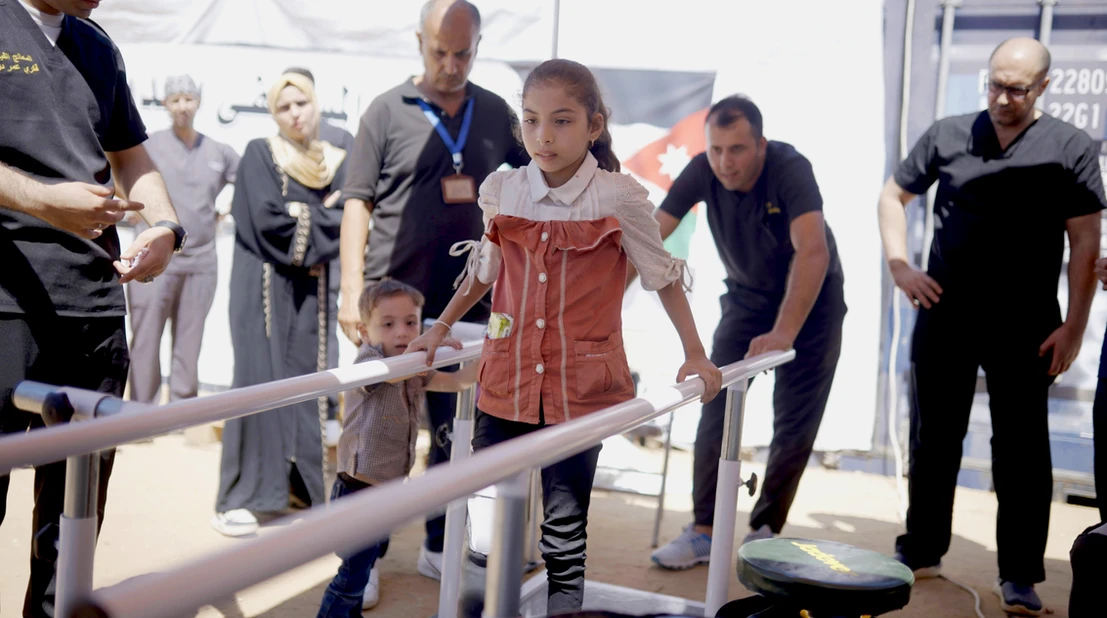
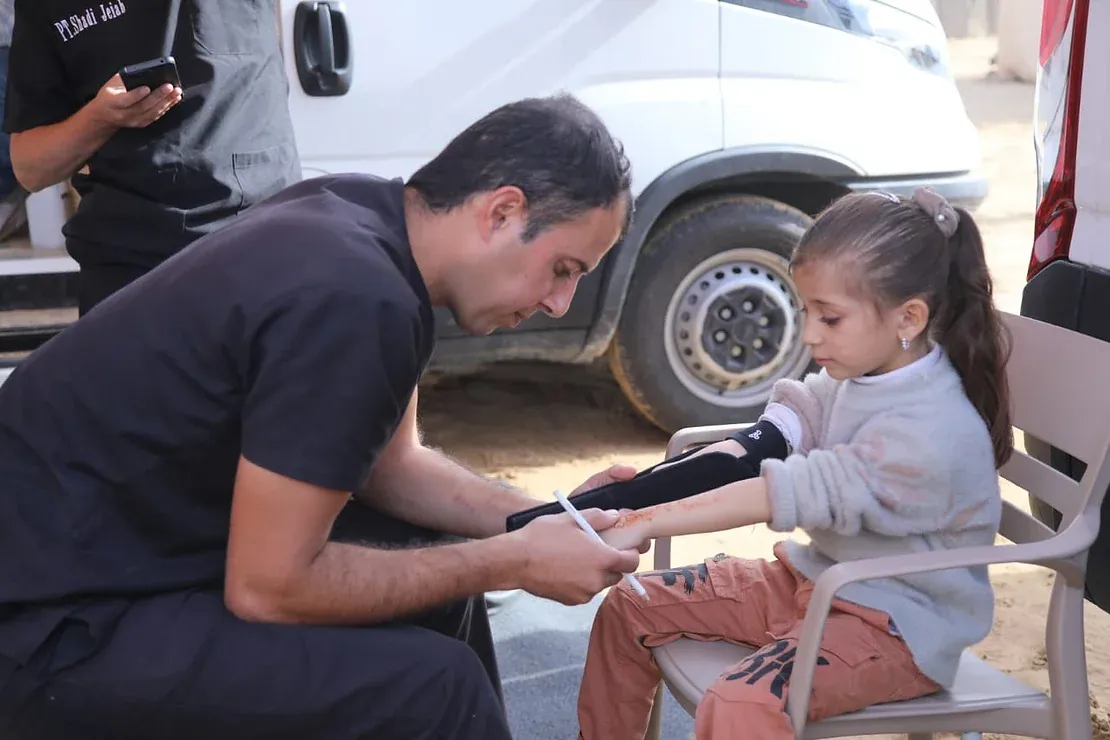
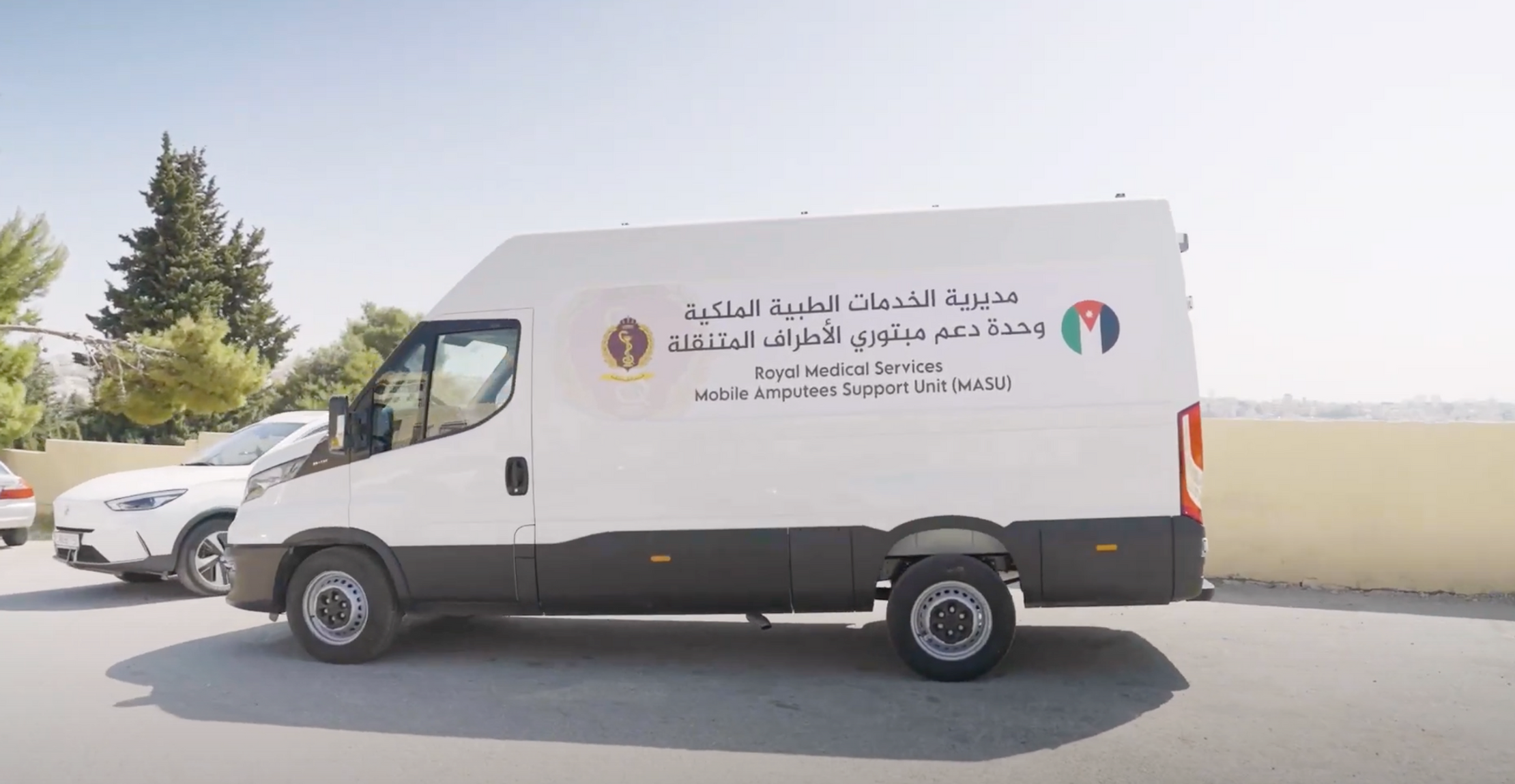
The Mobile Amputee Support Units (MASU) model used by the Restoring Hope programme in Gaza is illustrative of how innovative approach can transform service delivery. These units currently operating in the Jordanian field hospital aim to bring specialized care directly to affected communities, dramatically reducing travel barriers while maintaining high-quality standards. The success of MASU in Gaza shows how mobility and technology can combine to overcome traditional access challenges.

Integration with National Systems

Growing recognition of the importance of integrating Victim Assistance into national health and disability services offers several advantages:

  • Enhanced sustainability through existing systems

  • More comprehensive care beyond mine/ERW-specific needs

  • Improved resource leverage from national health programs

  • Better coordination of services


Capacity Building Through Technology

Digital platforms create new opportunities for professional development and training. Virtual reality systems provide hands-on experience in prosthetic fitting, while online learning programs help maintain and upgrade healthcare workers’ skills in remote areas. These tools can help build and maintain technical capacity more efficiently than traditional training methods.

The Path Forward

Innovative Funding Approaches

New funding mechanisms could help ensure more sustainable resource flows:

  • Results-based financing tied to specific outcomes

  • Social impact bonds engaging private sector investment

  • Integration with broader development funding

  • Community-based funding models


Enhanced Data Systems

Improved data collection and management systems could transform program effectiveness:

  • Blockchain technology for secure, transparent record-keeping

  • Standardized reporting mechanisms across providers

  • Real-time monitoring and evaluation systems

  • Improved coordination between stakeholders

Hybrid Service Models

Combining traditional facilities with mobile units and telemedicine creates more comprehensive coverage:

  • Fixed centres for complex cases and specialized care

  • Mobile units for routine maintenance and basic services

  • Telemedicine for remote consultation and monitoring

  • Community-based support networks


Community Engagement

Strengthening local involvement enhances program sustainability:

  • Training community health workers

  • Developing peer support networks

  • Building local capacity for basic maintenance

  • Engaging survivors in program design and implementation

Conclusion

The future of Mine Action Victim Assistance lies at the intersection of humanitarian commitment and technological innovation. While the challenges of providing comprehensive, lifelong care to survivors remain substantial, emerging solutions offer unprecedented opportunities to transform service delivery and improve outcomes. The integration of mobile units, telemedicine, remouldable prosthetic sockets demonstrates how innovation can extend the reach of limited resources.

However, technology alone cannot address the fundamental need for sustained funding and coordinated support. Success requires a multilayered approach: strengthening national healthcare systems, fostering local expertise, embracing technological advances, and developing sustainable funding mechanisms. Most critically, we must ensure that survivors’ voices and experiences guide program development, recognizing that each individual’s journey extends beyond physical rehabilitation to encompass psychological healing and social reintegration.

By combining proven methodologies with innovative approaches, while maintaining unwavering focus on survivors’ needs, the Mine Action community can build more resilient and effective assistance programs. The path forward demands not only financial investment but also a renewed commitment to collaboration across sectors, borders, and disciplines. Through such coordinated effort, we can work toward a future where every survivor has access to the comprehensive, dignified care they need—not just for immediate recovery, but for lifelong wellbeing.


Continue reading

Understanding Sustainable Amputee Care and Prosthetics Design

Understanding Sustainable Amputee Care and Prosthetics Design

Introduction

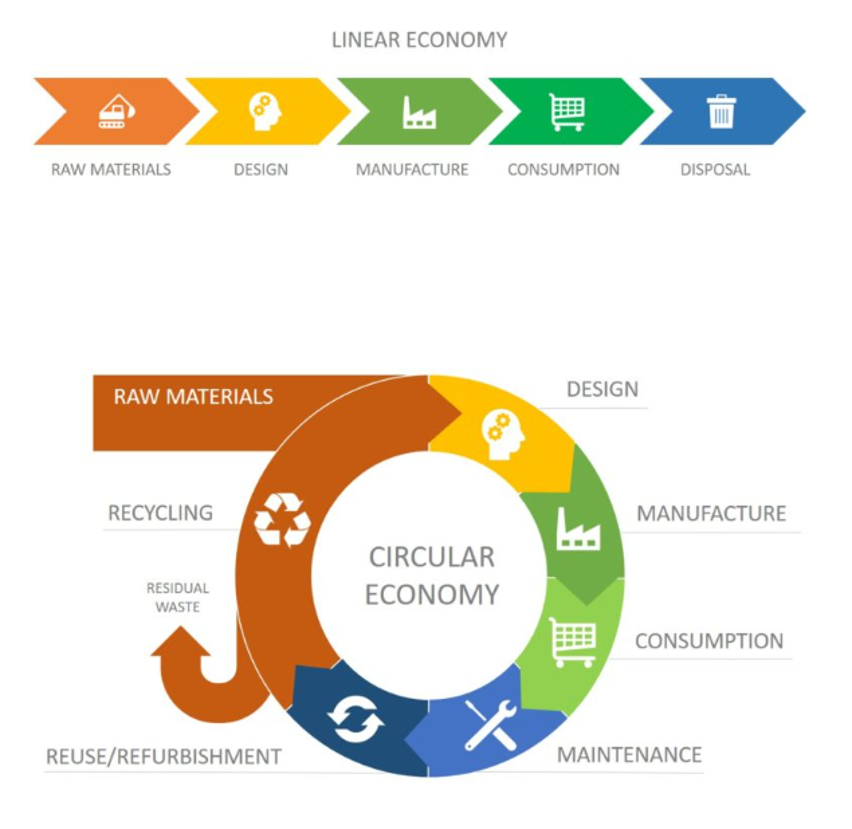
The prosthetics industry is at a pivotal moment of transformation. For generations, we’ve approached prosthetic care with a straightforward but limited mindset: create new devices, use them until they’re outgrown or worn out, then dispose of them and start again. This linear approach has created significant challenges, not only in terms of environmental impact but also in making prosthetic care accessible to those who need it most. To understand how we can do better, we need to examine both the challenges we face and the innovative solutions that could transform prosthetic care for the future.

Understanding the Current Challenges

Today’s prosthetic services typically operate through fixed clinics where patients must travel for multiple fittings and adjustments. This traditional model creates several interconnected problems which can be viewed through a lens of sustainability, encompassing economic, social, environmental and technical sustainability.

The traditional model creates several interconnected challenges that affect multiple aspects of sustainability. From an economic and social perspective, many patients face difficulties accessing clinics, particularly those with limited mobility or living in remote areas. The requirement for multiple fitting sessions not only drives up costs but also creates barriers to access. Environmental sustainability is compromised by the frequent disposal of prosthetics that are no longer needed, wasting valuable materials. Meanwhile, the lengthy fitting process and associated costs can limit patients’ access to the latest prosthetic technology, affecting both technical and social sustainability.

The situation becomes particularly stark when we consider children who need prosthetics. As they grow, children typically need new prosthetics every 12-18 months until they reach skeletal maturity. Each replacement cycle (fully costed) can cost anywhere from $5,000 to $50,000, creating a significant financial burden for families.

Moreover, when these devices are replaced, sophisticated materials like stainless steel, titanium and carbon fibre often end up discarded despite remaining functionally sound.

Reimagining Prosthetic Care Through a Circular Economy

The concept of a circular economy offers a fundamentally different way of thinking about delivering prosthetic care and can address the sustainability issues outlined above.

The Circular Economy

  • The Sarah Tool – a reusable prosthetic component made by Koalaa Soft Prosthetics

  • Instead of following a straight line from creation to disposal, we can imagine prosthetic components moving in continuous cycles of use and reuse. This approach recognises that when a patient outgrows a prosthetic or needs a replacement, the components don’t lose their inherent value – they simply need to find their way to a new user.

    Think of it like a library of components rather than a one-way production line. When a child outgrows their prosthetic, the titanium or stainless steel pylons and other structural elements can be tested, recertified, and used in another device. Specialised joints and connectors might find new life serving different patients. Even components that can’t be directly reused might be remanufactured or recycled, preserving their material value.

Creating Truly Sustainable Services

Sustainable prosthetic services must balance multiple aspects of sustainability. From an economic perspective, services need to be cost-effective while remaining accessible to all who need them. This might involve developing new funding models or creating secondary markets for recertified components. The social dimension requires ensuring that services reach all communities equitably while maintaining high standards of care. Environmental sustainability focuses on minimising waste and energy use while maximising the lifespan of valuable materials.

At Koalaa… …we are committed to embedding circular economy principles into our work; reducing waste, reimagining material use, and creating innovative solutions that prioritise both functionality and sustainability… …for a shared vision of a future where every aspect of prosthetic design supports the well-being of people and the planet.

– Dr Bryan Roberts, COO, Koalaa

The technical aspects of sustainability are equally crucial. Services must maintain reliable supply chains for components while ensuring they have properly trained staff to fit and maintain prosthetics. This requires careful attention to quality control and safety standards, as well as ongoing innovation in fitting techniques and component design.

Measuring Success and Ensuring Quality

To ensure these sustainable services truly meet their goals, we need comprehensive ways to measure and evaluate their performance. This starts with tracking basic service delivery metrics like how many patients receive care and how quickly they can be fitted with prosthetics. We must also monitor economic factors such as the cost per patient and how effectively components are being reused.

Environmental impact can be measured through material recovery rates and energy consumption, while social impact is reflected in patient satisfaction and quality of life improvements. These measurements help services continuously improve while maintaining high standards of care.

The Role of Regional Centres

Regional centres of excellence, such as the proposed facility in Jordan, can serve as hubs for implementing these sustainable approaches. These centres need specialised equipment for testing and recertifying components, clean room facilities for processing returned items, and robust systems for tracking components throughout their lifecycle. They also require trained staff who understand both the technical aspects of prosthetics and the principles of sustainable care.


Looking to the Future

The future of prosthetic care offers a wealth of opportunities to integrate economic, social, environmental, and technical sustainability through the circular economy approach.

From an economic perspective, innovative funding models like pay-as-you-go systems or micro-loan programs could help reduce upfront costs for patients. Secondary markets for refurbished components, particularly titanium or stainless steel pylons or carbon fibre structures, could make prosthetics more affordable, especially for families with growing children.

Rapidly remouldable prosthetic sockets, already offered by innovative companies, eliminate the need for replacing sockets every time a patient requires a re-fitting. This brings significant economic, social, and environmental advantages. The discard rate of prosthetic sockets is drastically reduced, leading to significant cost savings and minimising environmental impact. Patients also benefit from an instantly improved fit, avoiding long waiting times for adjustments. This innovation is especially impactful for children, as the sockets can adapt to their growth, and component feet can be adjusted to accommodate their changing size over time.

Social sustainability could advance through telehealth platforms enabling remote consultations. This approach would particularly benefit individuals in rural or underserved areas by reducing travel requirements. Community outreach programs could ensure marginalised groups have awareness of and access to these services.

Environmental sustainability would focus on creating circular supply chains, where returned prosthetics are systematically disassembled. Materials like titanium, stainless steel and carbon fibre could be either directly reused or recycled into new components. Manufacturers could incorporate greener production methods, including the use of biodegradable materials for non-critical components.

Technical sustainability would embrace advanced technologies for on-demand customisation, minimising waste and production costs. Smart sensors could provide real-time data on wear and tear, enabling predictive maintenance and extending device lifespans. Standardised testing protocols would simplify the certification process for reused components while maintaining safety standards.

SMART sensors provide real time data on usage

By blending these approaches, the prosthetics industry can evolve into a model of holistic sustainability, improving lives while protecting resources and ensuring equitable access for all.


Conclusion

Transforming prosthetic care into a sustainable, circular system represents more than just an environmental improvement – it’s an opportunity to make quality prosthetic care more accessible to everyone who needs it. Success requires careful attention to economic, social, environmental, and technical factors, along with robust systems for monitoring outcomes and ensuring quality.

By establishing regional centres of excellence and implementing comprehensive sustainability measures, we can create a prosthetics industry that better serves both patients and the planet. The path forward involves systematic implementation of these principles, careful monitoring of results, and continuous adaptation based on what we learn through experience. As technology advances and our understanding grows, we’ll find even more ways to improve how we deliver prosthetic care to those who need it.

This transformation won’t happen overnight, but by understanding and implementing these principles, we can work toward a future where high-quality prosthetic care is both sustainable and accessible to all.

Special thanks to the Douglas Bader Foundation who have supported this briefing.


Continue reading

The Power of Co-creation in Amputee support: Restoring Hope in Gaza

Summary

The Restoring Hope initiative in Gaza demonstrates the power of co-creation in addressing the unique challenges faced by amputees in resource-constrained environments. By involving engineers, medical professionals, and users in the prosthetic design process, the initiative is bridging the gap between innovation and application, transforming amputee support in Gaza.

Gaza faces an unprecedented amputee crisis due to ongoing conflict, with medical teams operating under severe conditions. Restoring Hope is addressing this by using direct communication channels, such as weekly video calls, between Jordanian medics and prosthetic designers to create a continuous feedback loop. This collaboration is driving ground-breaking developments that are ensuring the delivery of prosthetic care meeting the specific requirements of amputees in Gaza.  This includes the development of Koalaa’s world-first fast-fitting above-elbow prosthetic and Amparo’s innovative paediatric leg sockets, both tailored to Gaza’s needs.

This model redefines traditional roles in medical innovation by positioning frontline medics as equal partners, ensuring solutions directly meet the needs of the amputees in Gaza. The emotional and motivational aspects of co-creation also play a pivotal role, with the frontline medics and prosthetic designers uniting around a shared sense of purpose.

This model is providing a blueprint for revolutionising healthcare innovation worldwide, showing that the best outcomes emerge from genuine co-creation. By centring designer and practitioner voices, it not only restores hope in Gaza but sets a new standard for transformative healthcare solutions.

Introduction

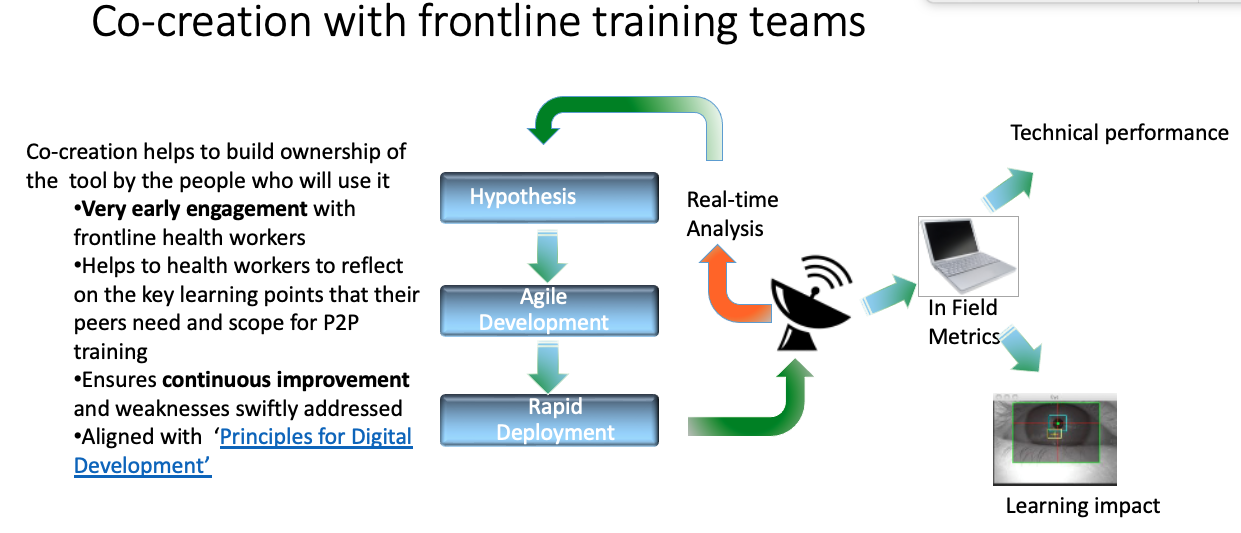
Medical innovation is often a top-down process, led by engineers and designers far removed from the environments and realities of those who will use their products. The Restoring Hope initiative in Gaza challenges this notion by putting co-creation – a collaborative process involving engineers, medical professionals, and users – at the forefront of prosthetic development. This model bridges the gap between design and application, offering a template for addressing critical healthcare challenges, and in particular amputee support in resource-constrained settings.  The model builds on the established co-creation thinking that has evolved within the technology industry and is known in that context as agile development.  Such “agile development” reflects the real-life consideration that the best outcome is not known at the start of the innovation work and it needs to emerge by learning from the front-line practitioners.   

Through a partnership between the Royal Jordanian Medical Services in Gaza, prosthetics companies, digital health technology companies and Life Sciences Network (LSN), Restoring Hope is revolutionizing prosthetic care. By using input from frontline practitioners and patients, new prosthetic designs are being developed in direct response to the lived experiences of frontline medics.

The need for innovation

The ongoing conflict in Gaza has created a humanitarian crisis that is unprecedented in terms of amputees. According to the World Health Organization, approximately 10 children a day became amputees in Gaza in the first three months of the crisis, with no prosthetics readily available to meet their needs. Medical teams in Gaza operate under extreme conditions, grappling with high patient volumes, damaged medical facilities, unreliable transportation and communication infrastructure, and the frequent displacement of patients. These conditions are demanding innovative, adaptable solutions in amputee support: to develop prosthetics that not only address the immediate resource scarcity issues but also meet the specific needs of the population in Gaza they serve.

Direct communication is a catalyst for progress

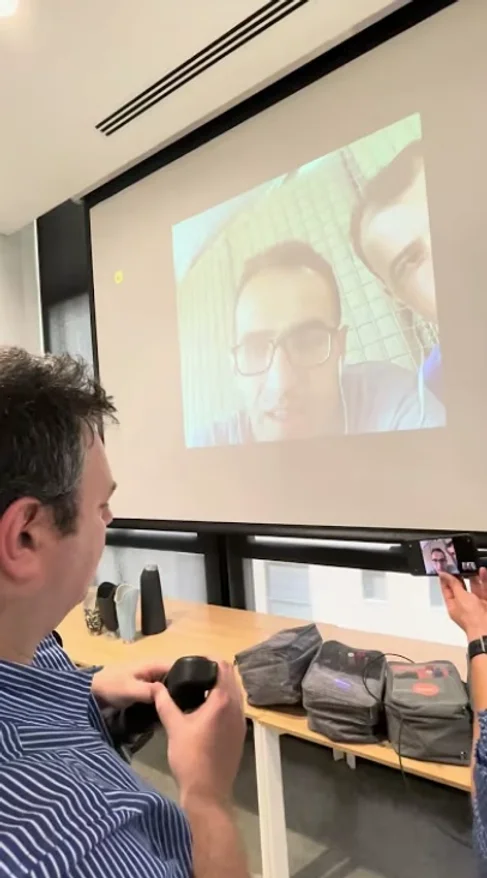
Video conferencing and direct communication channels have been a transformative tool in the Restoring Hope initiative, building the relationship between the Jordanian frontline medical teams and the prosthetics design and development teams. Weekly direct conversations between the teams are enabling a continuous feedback loop of co-creation, driving the rapid refinement of prosthetic designs.

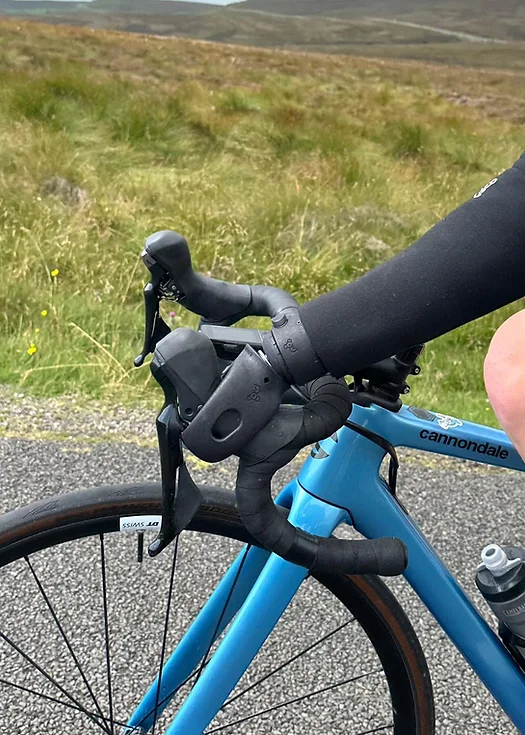
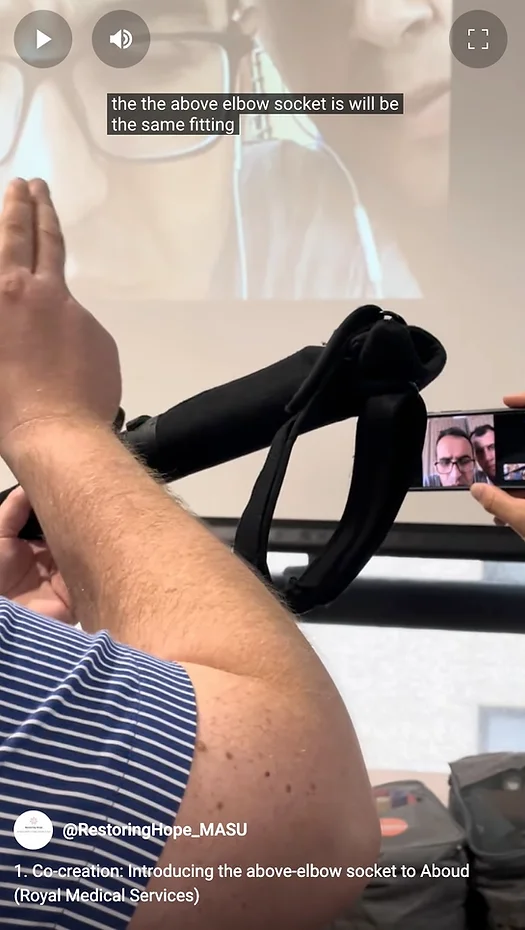
For example, Abood, one of the Jordanian frontline medics in Gaza, is providing the engineers of the upper-limb prosthetic with detailed observations on usability and patient needs. Abood has provided feedback on the importance of an upper-limb prosthetic with a tool for cycling and for carrying: activities crucial for daily life in Gaza. And he has also provided detailed feedback on the type of prosthetic fixtures that best suit Gaza’s challenging environmental conditions, including the heat and sand. These insights are resulting in innovations in designs that are tailored to the patients’ needs and the realities of Gaza’s medical landscape.

  • Lt. Abdullah Al-Hemaida of the Jordanian Royal Medical Services on the ground in Gaza advises on arm prosthetic design with Dr Bryan Roberts, CPO Koalaa
  • The feedback from a successful prosthetic fitting is immediate, and can be emotional at times. Engineers, designers and the prosthetist provide more than just a device, but rather it represents opportunity, and a return to normalcy for someone who had a life-altering event happen to them.

     – Alex Dahinten, Clinical Specialist


    This model extends beyond technical feedback. Regular video calls and consultations between the medical practitioners and designers is creating a shared understanding of the challenges faced by patients. By grounding innovation in lived experiences, Restoring Hope is hugely accelerating the development of prosthetics.

Co-creation in action

Restoring Hope builds on the success of past initiatives, such as the Masanga Mentor Ebola Initiative (MMEI), led by LSN during the Ebola crisis. This project brought together frontline health workers, technologists, and educators to create a training system tailored to resource-constrained environments. By incorporating local languages, cultural contexts, and real-time feedback, MMEI demonstrated how co-creation can drive impactful solutions.


Applying similar principles, Restoring Hope is bringing together frontline medics, prosthetic design specialists from companies Koalaa Soft Prosthetics and Amparo, and digital health specialists in Jordan to drive innovation. The development of Koalaa’s above-elbow prosthetic exemplifies this approach. 

World-first above-elbow prosthetics

Abood and his team have identified an urgent need for above-elbow prosthetics. This demand arises from the frequent use of tourniquets during emergency surgical interventions, which are necessary to save lives. However, this life-saving measure often results in the loss of the entire arm, even when the initial injury is limited to the lower arm. This has created an urgent need for above-elbow prosthetics in the region, where the proportion of above-elbow amputees far exceeds global averages.

  • As a direct response, Koalaa is set to launch the world’s first fast-fitting above-elbow prosthetic in January, providing an innovative solution tailored to the unique challenges faced by amputees in Gaza.


    World-first paediatric fast-fitting leg socket

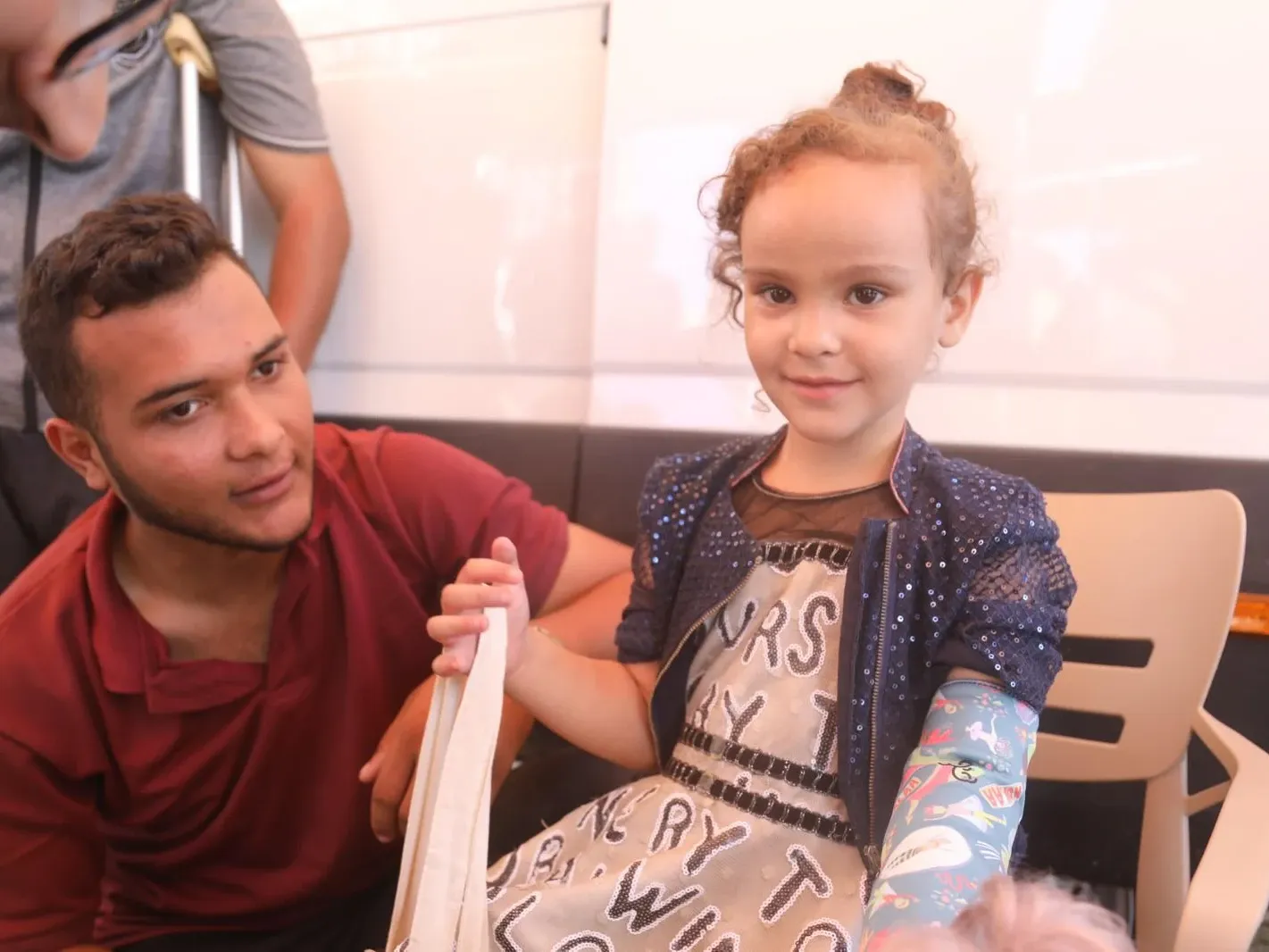
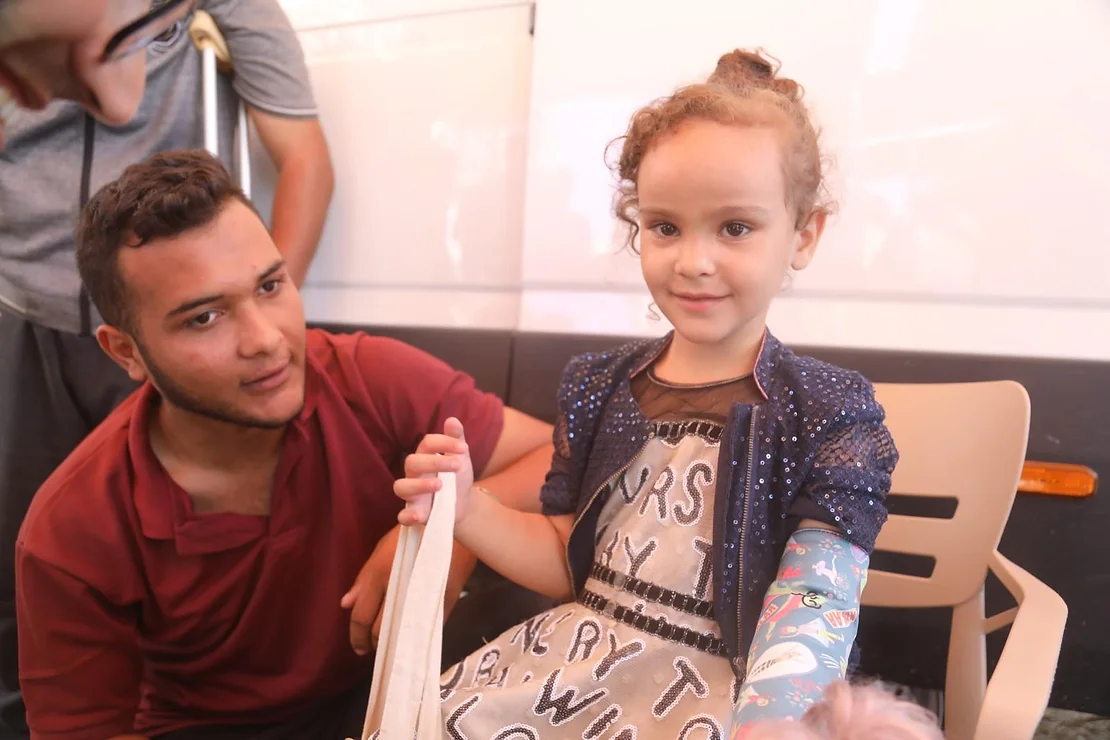
    Amparo’s work on paediatric sockets further demonstrates the power of co-creation. By collaborating with Abood and his team, the company is developing the world’s first fast-fitting lower-limb paediatric prosthetic, set to be delivered to Gaza in January. The daily experience of Abood with patients has informed the design requirements: lighter, smaller, modular prosthetics that accommodate growth and can be adapted to the changing needs of young patients. The development of this adaptability prosthetic is vital in Gaza, where the demand for child prosthetics is unprecedented and follow-up care sporadic given the ongoing conflict.

  • Jordanian Royal Medical Service medics give real-time feedback from Gaza to Koalaa designer Dr Bryan Roberts on the ground-breaking above-elbow prosthetic

Both of these ground-breaking developments highlight how collaboration can catalyse innovation, transforming limitations into opportunities for progress.

Redefining roles in medical innovation

Restoring Hope challenges traditional hierarchies in medical device development by positioning frontline practitioners as equal partners in the innovation process. Traditionally seen as implementers, the medics on the ground are now playing a central role in co-creating solutions. Their practical experience is as valuable as technical expertise in the development process. This paradigm shift is not only accelerating the development cycle but is also ensuring that the products are directly meeting the end-user needs.

The broader impact of co-creation

Beyond its technical achievements, Restoring Hope also underscores the emotional and motivational aspects of co-creation. When the medical design teams witness the direct impact of their work through video consultations and testimonials, it creates a shared sense of purpose that drives innovation. Seeing a child walk confidently with a new prosthetic or hearing Abood’s first-hand accounts of patients’ improved lives is reinforcing the shared commitment of all involved.

Ultimately the significant need for a child-sized prosthetic leg solution in Gaza has led to Amparo to adapt the same type of material that can be moulded (and re-moulded) directly onto a patient, into a solution that can serve paediatric patients.

– Alex Dahinten, Clinical Specialist

Importantly, this is not just a smaller size, but rather an innovative approach to allow a socket to “grow” and lengthen, as the child grows.

This emotional investment is fostering a deeper commitment to overcoming challenges and finding solutions. It is transforming a professional collaboration into a personal mission, accelerating progress and pushing the boundaries of what is possible.

Looking ahead

The Restoring Hope initiative offers a blueprint for the future of medical innovation. By valuing the expertise of those on the frontlines and fostering genuine collaboration, it is demonstrating that the best solutions emerge when all stakeholders are involved. This co-creation model has the potential to revolutionize other areas of healthcare, ensuring that the voices of patients and practitioners are at the heart of the innovation process.

In Gaza, where resilience and resourcefulness are daily necessities, Restoring Hope stands as a testament to what can be achieved when we work together. As Abood and his team continue to collaborate with medical design teams, they are not just restoring hope for their patients – they are building a brighter future for amputee care worldwide.

Special thanks to the Douglas Bader Foundation who have supported this briefing.


Continue reading

Early Intervention in Prosthetic Care: The Game-Changing Potential to Unlock Higher ROI

Early Intervention in Prosthetic Care: The Game-Changing Potential to Unlock Higher ROI

Introduction

Prosthetic care has traditionally been viewed as a healthcare cost, often neglecting the significant social and economic advantages that early intervention can offer. By shifting the perspective to see prosthetic care as an investment, it becomes clear that fast-fitting prosthetics and mobile amputee support units can yield a much higher return on investment (ROI) than conventional methods. These benefits extend beyond direct medical costs to include societal impacts such as economic productivity, social integration, and long-term healthcare savings.

This brief explores the economic rationale for early prosthetic intervention, highlighting solutions that are feasible, sustainable, and scalable. Using principles of health economics, it demonstrates how early intervention enhances outcomes for patients and society while fulfilling the rehabilitation service standards set by the World Health Organization (WHO).


The Economic Case for Early Intervention


Early intervention in prosthetic care, supported by innovations like fast-fitting prosthetics and community-based prosthetic services, aligns with the economic principles of efficiency and long-term value. Modern fast-fitting prosthetics using mouldable sockets can fit residual limbs in an hour, compared to traditional plaster-casting methods that take many hours and require multiple adjustments. Although the initial costs of newer technologies may be higher, the long-term benefits have the potential to outweigh these capital expenses.

Direct Costs and Efficiency

Early intervention in amputee support, facilitated by innovative, fast-fitting solutions that allow fitting immediately after wound heal, has the potential to dramatically reduce the time and resources typically needed for prosthetic fitting. A traditional prosthetic fitting process typically requires 5-7 clinic visits over several weeks, whereas new fast-fitting solutions can complete the process in a single day, allowing one clinician to serve up to 5-10 patients a day, reducing the time and cost involved. This efficiency lowers clinical overheads and increases patient throughput, providing more timely care.

In addition, models of community-based access that bring care directly to patients further optimize efficiency. Providing care through mobile units that are located within communities reduce transportation costs and logistical challenges. This is especially pertinent in resource-limited or conflict-affected regions where access to static healthcare centres may very limited. By decentralizing care, mobile units can extend their reach to underserved populations while maintaining cost-effectiveness.

External Benefits and ROI

Early intervention offers substantial external benefits, presenting a compelling case for a high return on investment:

 
  1. Economic productivity: Restoring mobility through timely prosthetic care enables individuals to return to work, reducing dependence on external support and fostering self-sufficiency. For child amputees, early access to prosthetics leads to quicker school reintegration, enhancing educational outcomes and future workforce participation. This is particularly important in conflict zones, where rapid growth and frequent refitting challenges can complicate care. Consider the case of Yazan, a young boy who had lost three limbs. In a world first he was fitted with prosthetics and took his first step within 24 hours during an evaluation of fast-fitting technology in Amman, Jordan. You can read about his story here: https://www.lsngroup.org/post/walking-in-24-hrs-world-s-first-rapid-fitting-of-a-triple-amputee-from-gaza-with-both-upper-and-low.


  1. Social integration: Mobility enhances independence and community participation, promoting resilience and strengthening social networks. This contributes to societal stability and reduces the long-term strain on caregivers.

  2. Healthcare savings: Early intervention prevents secondary health complications such as joint stiffness, obesity, and mental health issues that often arise from delayed care. This lowers future healthcare costs and enhances system efficiency.

  3. Family stability: Effective prosthetic care eases the caregiving burden, allowing families to regain financial and emotional stability, which improves resilience and reduces long-term societal costs.

  4. Educational attainment: For children, timely access to prosthetics reduces educational disruptions, ensuring better cognitive development and long-term success. Imagine a child amputee waiting six months for a prosthetic limb – that’s six months of missed schooling, delayed development, and social isolation. Now imagine that same child receiving a properly fitted prosthetic within weeks of their injury, quickly returning to childhood activities.

  5. Environmental benefits: Resource-efficient, recyclable materials used in fast-fitting prosthetics align with sustainability goals, reducing environmental impact and supporting long-term resource conservation.

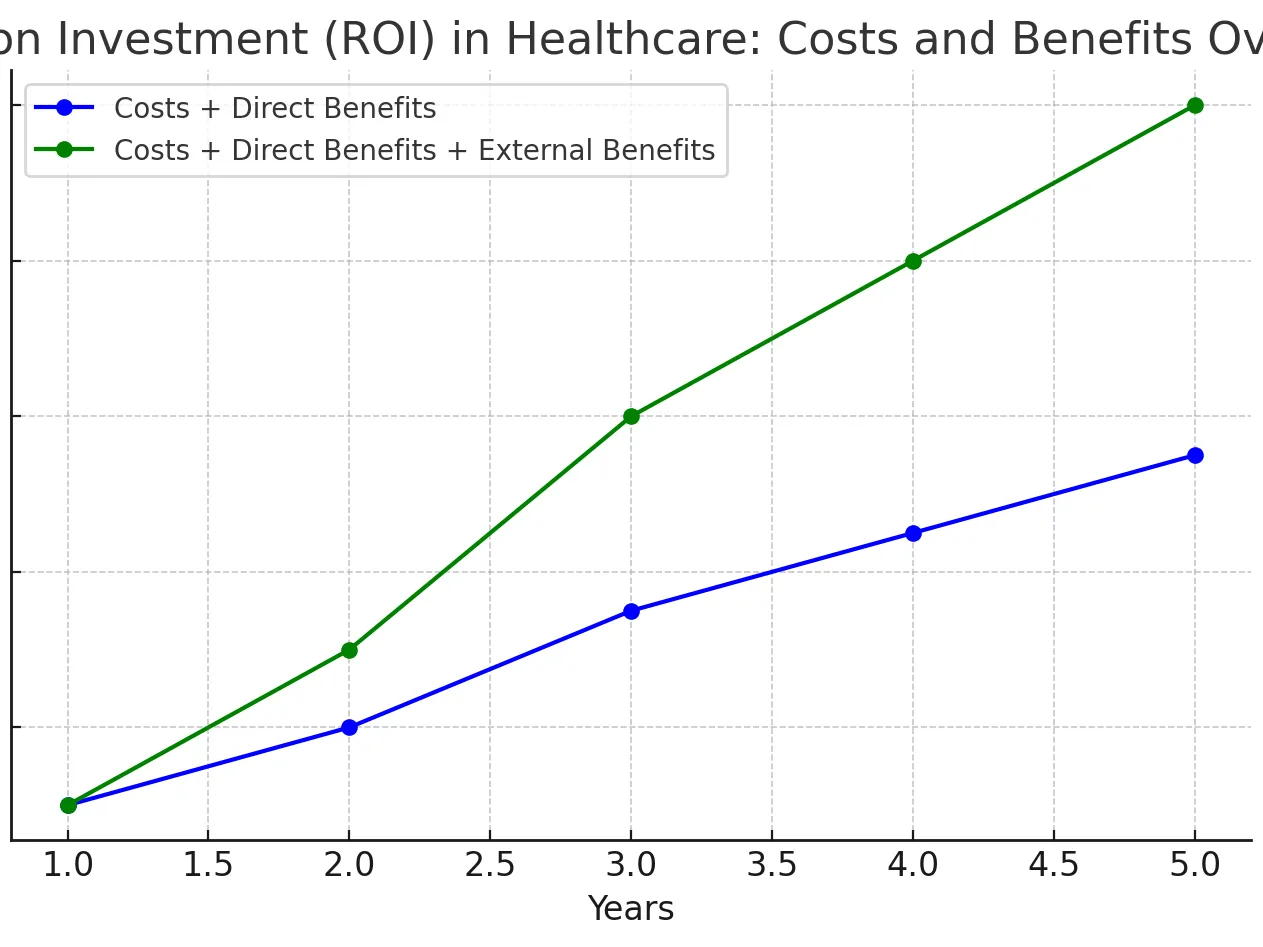
Several findings from related research areas ([1],[2],[3]) suggest that early intervention protocols, despite being costlier at the outset, result in significant savings and improved outcomes over time due to reductions in long-term healthcare needs and enhanced patient productivity.


Clinical and Mental Health Outcomes

Fast-fitting prosthetics not only enhance clinical outcomes but also improve mental health, especially when interventions occur soon after injury:

  • Improved Injury Outcomes: Early mobility reduces complications such as muscle atrophy and joint stiffness, leading to better long-term recovery.

  • Mental Health Benefits: Early prosthetic care can alleviate the psychological impact of amputation, such as depression and anxiety. This is crucial for both adults and children, as delays in care can disrupt emotional and social development.

  • Independence and Productivity: By regaining mobility, amputees can lead more independent lives, contributing to their families and communities, reducing long-term dependency, and improving overall quality of life. In conflict-affected areas, such as Gaza, the ability to walk, cycle or carry items means that person can move to a place of safety, help their family collect water, or queue for food. 


    Challenges and Solutions in Conflict-Affected Areas

    Conflict zones present unique challenges to prosthetic care, such as limited infrastructure, resource constraints, and high patient volumes. Early intervention through mobile units and fast-fitting prosthetics addresses these challenges by:

    • Increasing accessibility: Mobile units bring care to remote or conflict-affected areas, ensuring timely care despite infrastructural limitations.

    • Reducing overheads: By decentralizing care, mobile units lower operational costs, making healthcare systems more sustainable in resource-limited settings.

    • Enhancing scalability: Fast-fitting prosthetics allow for quicker patient turnover, enabling healthcare systems to handle higher patient volumes more efficiently.


    Aligning with WHO Minimum Rehabilitation Service Requirements


    The WHO Minimum Rehabilitation Service Requirements highlight the importance of early intervention in prosthetic care, especially in vulnerable and conflict-affected populations. By integrating fast-fitting prosthetics with community-based delivery models, an early-intervention approach supports key WHO recommendations, as follows:

    1.     Inclusive access to rehabilitation for vulnerable populations

    • WHO prioritizes vulnerable groups, such as people with disabilities, children, and older adults, for rehabilitation services. Early intervention through fast-fitting prosthetics ensures that these populations, especially those in underserved areas or conflict zones, can receive timely and equitable care. Mobile prosthetic units bring services directly to remote populations and displaced individuals, ensuring inclusive access in challenging environments.

    • This model also ensures that children and individuals with specific needs receive age-appropriate and disability-specific care early in their recovery, addressing the WHO’s call for accessible rehabilitation for all.


    2.     Community-based rehabilitation (CBR) and outreach

    • The WHO emphasizes the importance of Community-Based Rehabilitation (CBR), recommending outreach through mobile clinics and home visits. The community-based delivery model of fast-fitting prosthetics is well-suited to reach individuals in temporary shelters, conflict settings, and other inaccessible areas. By bringing services directly to individuals, these units ensure that even those with limited mobility or in displaced settings receive immediate and ongoing care. This aligns with WHO’s goal of reaching vulnerable populations through outreach and community-based approaches.


    3.     Comprehensive and integrated care

    • WHO calls for the integration of rehabilitation services across primary, secondary, and tertiary care levels. Early intervention with fast-fitting prosthetics can be seamlessly integrated into comprehensive rehabilitation plans, including physical therapy, psychosocial support, and mental health services. Community-based prosthetic services ensure coordination between care providers, facilitating both acute recovery and long-term support. This integrated approach ensures continuity of care, which is vital for achieving the best rehabilitation outcomes.

    4.     Mental health and psychosocial support (MHPSS)

    • WHO highlights the need for Mental Health and Psychosocial Support (MHPSS), particularly for conflict-affected populations. Early intervention in prosthetic care should be accompanied by psychosocial support, addressing both the physical and emotional needs of individuals affected by trauma or disability. The mobile prosthetic model can integrate psychosocial care into outreach, ensuring that trauma-informed care is provided alongside the physical rehabilitation services. This aligns with WHO’s recommendation to offer holistic, psychosocial support alongside rehabilitation.

    5.     Health education and promotion

    • The WHO underscores the importance of health education and promotion in rehabilitation. Early intervention models of prosthetic care should be paired with education programs that empower individuals and caregivers with the knowledge to use assistive devices effectively. Community-based delivery models offer a unique opportunity to educate communities on managing chronic conditions, preventing further injury, and optimizing the use of prosthetics. This ensures that individuals are not only receiving care but are also equipped with the tools and knowledge to maintain long-term functional independence.


    6.     Sustainable and long-term rehabilitation

    • According to WHO, rehabilitation must transition from acute care to addressing long-term needs after the emergency phase. Fast-fitting prosthetics play a critical role in ensuring that individuals have immediate access to functional limbs, but the sustainability of this care model also supports long-term rehabilitation. By providing efficient, cost-effective prosthetics in a community-based delivery model, individuals can receive timely replacements, adjustments, and follow-up care, thus promoting functional independence and community reintegration in the long term. This model supports the transition from emergency response to sustained rehabilitation, as emphasized by WHO.

    Conclusion

    Early intervention in prosthetic care represents a transformative shift from viewing prosthetics as a cost to recognizing them as an investment. Fast-fitting prosthetics and mobile support units can improve clinical and mental health outcomes while delivering significant social and economic benefits. Prioritizing early intervention can lead to higher ROI, reduced long-term costs, and improved quality of life for amputees.

    This approach is particularly vital in conflict-affected areas, where traditional healthcare models often fail to meet the needs of vulnerable populations. By aligning with WHO guidelines and leveraging health economics principles, early intervention to amputee support offers a feasible, sustainable, and scalable solution that benefits both individuals and society as a whole.

    As we move toward more personalized and accessible healthcare solutions, early intervention in prosthetic care stands as a model for how innovative thinking can transform medical challenges into opportunities, build a more inclusive society and restore hope.

    Special thanks to the Douglas Bader Foundation who have supported this briefing.


    Continue reading

    The Economics of Healthcare Interventions: A Framework for Assessing Return on Investment

    The Economics of Healthcare Interventions: A Framework for Assessing Return on Investment

    Introduction

    Health economics applies economic principles to assess the costs and benefits of healthcare interventions, providing insights into how to achieve the best outcomes within the constraints of limited budgets. It is particularly valuable in policy-making and healthcare practice, showing how to maximise health outcomes while optimising the use of available resources. By assessing the return on investment (ROI) of healthcare initiatives, health economics enables policymakers and providers to weigh immediate costs against long-term societal benefits. By considering both direct and external costs, health economics provides a framework that not only addresses individual healthcare needs but also considers broader societal benefits, such as economic productivity, social integration, and community resilience.


    This brief outlines the key reasons why health economics is crucial for policy development and healthcare practice, focusing on its ability to:

    1. Maximise health outcomes while optimising resource use.

    2. Support evidence-based decision-making for policy and healthcare investments.

    3. Evaluate both direct and external costs and benefits of healthcare interventions.

    4. Inform long-term planning and sustainability of healthcare interventions.

    By framing health interventions through the lens of health economics, we can consider not only the immediate costs but also the external costs and benefits of timely and effective care. This comprehensive evaluation helps identify the long-term economic impacts, which are often overlooked when focusing solely on immediate costs, enabling better decision-making. This becomes even more important in emergency situations, such as humanitarian settings, where healthcare resources are overwhelmed and resources constrained.


    The Role of Health Economics in Healthcare

    Health economics involves the evaluation of the costs and benefits of healthcare interventions to inform decision-making. It provides a framework for assessing the ROI of various treatments, ensuring that investments in healthcare deliver value not just in direct medical outcomes but also in terms of broader individual and societal returns. Health economics helps us understand both the direct and indirect costs and benefits, which may include enhanced productivity, improved social integration, and long-term reductions in healthcare burdens.

    The key components of health economics include:

    1. Direct Costs: These are the immediate costs associated with providing a healthcare intervention, including the cost of medical components, medical care, and rehabilitation services.

       
    2. Indirect Costs: These are less tangible but significant costs, such as lost income due to disability, caregiver burden, and reduced participation in the workforce.

       
    3. External Costs and Benefits: Externalities are the effects of healthcare interventions that affect broader society. Positive externalities (benefits) may include improved workforce participation, better educational outcomes, and reduced long-term healthcare costs. These external benefits represent a potential return on investment, highlighting the broader societal value of healthcare.

    By evaluating both direct costs and external benefits, health economics provides a framework for assessing the full impact of healthcare, enabling policymakers to make more informed decisions about resource allocation.


    External Benefits and ROI in Healthcare

    A key component of health economics is the identification and evaluation of external benefits—the broader societal advantages that arise from healthcare interventions. Effective and timely support can have far-reaching effects that include and extend well beyond the immediate patient. Health economics provides a framework for assessing their potential impact.

    Some of the key external benefits of timely and appropriate health interventions that contribute to ROI include:

    1. Employment and economic productivity: Healthcare interventions that restore health and functionality enable individuals to return to work and contribute to the economy. This results in increased productivity, higher earning potential, reduced dependency on social services, and enhanced tax revenue. Evaluating these potential returns provides insight into the economic activity generated by healthcare investments.

       
    2. Social contributions and community engagement: Restored health allows individuals to participate in community activities, fostering resilience and strengthening social networks. These contributions build social capital, creating a more cohesive and stable society.

       
    3. Educational outcomes: Timely healthcare for children is especially critical. Access to proper medical care ensures that children can remain in school, maintain cognitive development, and actively engage with learning. Improved attendance and educational attainment have long-term implications for workforce readiness and economic participation, representing a strong ROI in human capital development.

       
    4. Economic growth and national productivity: Healthcare interventions reduce barriers to workforce participation, contributing to national economic growth. Early intervention can mitigate the need for expensive, long-term medical treatments, freeing resources for other priorities like education or infrastructure development. This results in broader economic benefits and improved resource efficiency.

       
    5. Family stability and financial resilience: Effective healthcare reduces the caregiving burden on families, enabling individuals to regain financial independence. This supports family well-being, reduces emotional strain, and improves overall resilience, representing a long-term societal benefit.

       
    6. Reduced future healthcare costs: Early interventions prevent secondary health complications, such as chronic diseases or mental health conditions, which can arise from untreated issues. By addressing health needs early, healthcare systems can avoid higher costs in the future, improving overall system efficiency.

       
    7. Environmental benefits: In some cases, healthcare solutions that emphasise sustainability, such as those involving recyclable materials or resource-efficient practices, minimise environmental impacts. This indirect ROI is especially valuable in settings where resource conservation is critical.


    These factors illustrate the broad societal returns that can arise from well-planned healthcare interventions, emphasising the importance of considering external benefits in healthcare decision-making.


    The Impact of Early Intervention on Long-Term Health Outcomes

    One of the strongest arguments for early intervention in healthcare is its direct impact on long-term health outcomes. Health economics emphasises that the timing of interventions significantly affects both individual health and broader societal costs. For example, early access to medical treatments can:

     
    1. Improve mobility and function: Early intervention helps individuals regain mobility and function more quickly, preventing the development of long-term complications, such as joint stiffness or further disability. This leads to better long-term health outcomes and a higher quality of life.

       
    2. Enhance mental health: Early access to healthcare reduces the emotional and psychological toll of illness or injury. Timely treatment can mitigate the negative psychological impacts, such as depression or anxiety, that often accompany chronic health conditions or disabilities.

       
    3. Reduce secondary health complications: Timely interventions help prevent secondary conditions, such as obesity, cardiovascular disease, and other chronic conditions that are often associated with delayed care. By addressing health needs early, these long-term complications can be avoided, saving both healthcare resources and improving long-term health outcomes.

       
    4. Speed up return to work and social activities: Early interventions enable individuals to return to work and social activities more quickly, enhancing economic productivity and social integration. This helps individuals maintain financial stability and a sense of purpose, which is essential for long-term well-being.

       
    5. Improve long-term functional recovery: Early medical treatment can maximise long-term recovery by enabling individuals to regain independence, adapt more quickly to new conditions, and resume normal activities.


    Conclusion


    Health economics offers a comprehensive framework for assessing the return on investment (ROI) of healthcare interventions. By considering both direct costs and external benefits, health economics allows policymakers and healthcare providers to understand the broader value of healthcare investments. This approach ensures that decisions about healthcare spending are made in a way that maximises societal well-being, not just individual health outcomes.


    The concept of early intervention is crucial to maximising ROI in healthcare. Interventions that are delivered early in the treatment pathway lead to better health outcomes, reduce the burden of chronic conditions, and enable individuals to return to work and social activities more quickly. By prioritising early intervention, healthcare systems can reduce long-term costs while improving the quality of life for patients.


    This becomes even more important in emergency situations such as humanitarian settings, where healthcare resources are overwhelmed, and interventions need to be prioritised for maximum impact. In such environments, early interventions can have a profound impact on the speed and outcomes of the rehabilitation pathway, improving both individual health and broader societal resilience.


    Continue reading

    From Crisis to Innovation: Mental Health Challenges from Ukraine to Syria

    From Crisis to Innovation: Mental Health Challenges from Ukraine to Syria

    In September 2024, we delivered a paper “A Public Health Approach to Mental Health in War – Supporting Grassroots Initiatives, the Rationale, and the Role of Digital Technology” to a NATO workshop, Digital Tools for Prevention, Mitigation, and Treatment of Traumatic Stress Responses in Terror and War – Contemporary Practices and Novel Insights.

    This was part of NATO’s Science for Peace and Security (which supports collaboration between scientists from NATO member states and partner countries. In its Human Security Approach, NATO recognises that conflicts and crises have a significant impact on the civilian population. The Digital Tools for Prevention, Mitigation, and Treatment of Traumatic Stress Responses in Terror and War workshop

    • We looked for stories from countries affected by conflcit of individuals and organizations who have overcome challenges in addressing mental health trauma. The workshop focussed on Ukraine where population wide trauma is requiring an urgent need for innovation in making better psychological support more accessible and more scalable.

    The psychological impact of war extends far beyond the battlefield, permeating families and communities. Different societal groups, such as veterans, widows, children, and religious leaders, experience unique mental health challenges that require tailored interventions. Traditional mental health services often struggle to meet the overwhelming demand. Resources are scarce, infrastructure may be damaged, and trained professionals may be in short supply. Moreover, the urgency of physical needs can overshadow mental health concerns.

    This blog shares some of the people and stories that inspired the paper on how mental health support mechanisms can be quickly implemented and adapted to meet diverse needs in conflict-affected areas.


    Insights from Syria

    Dr Ali Mahfouz is one of the co-authors of the paper. Ali is from Aleppo, Syria, a city largely destroyed by war. He witnessed all stages of the conflict, from the peaceful revolution to the devastating fighting. He studied at the University of Aleppo Medical School (2013-2019) and, when he graduated, he worked in the Aleppo University Hospital for a year. During that time, he lost many friends, classmates, and relatives.The next few years were dominated by profound grief and the search to find new ways of using his skills as a doctor.

    Empowering people is not just about finding a better way of reaching those in greatest need, but it is sometimes about helping them cope with grief, and find purpose, and build resilience. This often involves, especially in war, a more agile and adaptable approach. For instance, the very first mobile prosthetic clinic in Syria consisted of a prosthetist driving his car across the border from Turkey into Northern Syria to fit a prosthetic arm for a child. It was a breakthrough in approach: the child did not have to make the difficult journey to a clinic across the border in Turkey; the clinic came to them. This is the principle at the heart of “Restoring Hope’ in Gaza.

    Insights from Ukraine

    Likewise, we drew inspiration from Ukraine. We looked at innovative grassroots mental health initiatives in wartime Ukraine, highlighting the huge capacity of digital technology in amplifying effective interventions despite resource constraints. We found four essential hallmarks of successful mental health interventions in conflict-affected areas:

    We found four essential hallmarks of successful mental health interventions.

    1.     Agility – the ability to deploy and adjust interventions quickly, including rapid training and implementation.

    2.     Adaptability – the capacity to modify approaches based on changing needs while maintaining cultural sensitivity.

    3.     Cultural Authenticity – deep integration with local practices, beliefs, and social structures.

    4.     Scalability – the ability to expand while maintaining quality and cultural relevance.


    Case Studies

    We presented five case studies demonstrating these hallmarks in action:

    Moe Kolo, which provides psychological support through online sessions and workshops, combining cognitive behavioural therapy with Acceptance and Commitment Therapy. They have served over 2,600 Ukrainians, showing significant improvements in depression, anxiety, and trauma symptoms.

    Supporting Wounded Veterans, which combines physical activities with digital mental health support for veterans, successfully integrating in-person activities with online interventions and demonstrating effective adaptation during COVID-19.

    A network supporting Ukraine’s Faith Leaders, which uses digital platforms to help pastors and chaplains serving as frontline mental health workers while dealing with their own trauma. They utilize video conferencing, mobile apps, and online training to maintain continuous support.

    Lagerta, which focuses on supporting widows of Ukrainian soldiers through a three-stage digital support model, combining professional expertise with peer support and offering online learning platforms and virtual consultations.

    Radooga, which serves over 1,300 children aged 5-17 across 10 cities, integrating robotics lessons with therapy sessions to support emotional healing while building technical skills.

    Our research emphasizes that identifying and supporting “positive deviants” – individuals and organizations making significant impacts despite resource scarcity – can boost innovation during conflict.

    We argue that when mental health initiatives encompass these core hallmarks and effectively leverage digital tools, they can successfully address mental health trauma while building community resilience.

    Most important of all, it builds on the experiences of people who, like Dr Ali Mahfouz, have witnessed these challenges first hand. Dr Mahfouz shared his story with colleagues at his hospital. A story that encompassed surviving the destruction in Aleppo,the grief losing family and friends to rebuilding his resilience and sense of purpose. His key insight which he shared with his colleagues was how much helping others can help yourself.
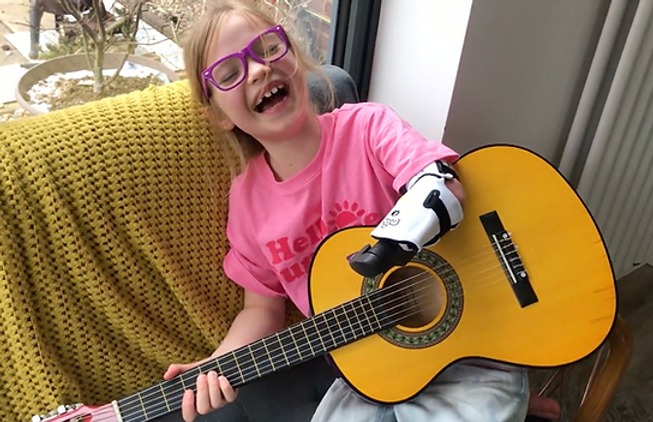


    Continue reading

    The Sarah Tool: From Personal Journey to Humanitarian Impact

    The Sarah Tool: From Personal Journey to Humanitarian Impact

    Driving Prosthetics Innovation

    About four years ago, I hit a breaking point with traditional prosthetics. Cycling was my ultimate freedom as a kid, but the prosthetics I grew up with were anything but liberating. My cycling prosthetic back then was a hard socket with a metal pole clamped onto my handlebars. In the 90s, this may have seemed innovative, but it was uncomfortable, heavy and impractical. Rather than inspiring me to seek out new adventures, this prosthetic made me feel like my disability was a barrier. The truth was, I didn’t lack ability, I just lacked the right tools. 

    Despite these setbacks, I kept cycling because it was a way to spend time with my family and enjoy the outdoors. But as I got older, the hassle of using this prosthetic started to outweigh the fun. By my mid-20s, I had given up cycling.

    But a part of me was still drawn to the idea of long-distance rides and adventure, and I went back to my prosthetic centre to see if there were any new options, hoping for a solution. Instead, I was met with the perspective that I shouldn’t be trying to do these kinds of sports anyway, that I should just stick to “regular” activities. And even if there were something available, it would be way out of my budget. 


    “They invited me to help them make one. How could I say no?”

    • I wasn’t about to give up, so I went on a mission to see if I could find a different solution elsewhere. That’s when I discovered Koalaa. At the time, they were a brand-new start-up, offering something completely different: a lightweight, comfortable socket with a range of interchangeable tools for different activities. It sounded almost too good to be true. I reached out to ask about a tool for cycling, mostly expecting to hear, “Sorry, not yet, but maybe someday.” Instead, they invited me to come to their workshop and help them make one. How could I say no? 

    • We spent a day brainstorming, prototyping, and testing designs until we had a working design. They named it the Sarah Tool, which felt both amazing and incredibly humbling. Koalaa names each of their tools after the people who help design them. Once the Sarah Tool was launched, it quickly became a hit. People were getting back on their bikes, scooters, and trikes without dealing with sweaty, sticky sockets. Messages, photos, and videos poured in of kids proudly declaring, “I got my stabilisers off!” 

    • With my new tool, I decided to tackle my first big bike tour: a 200-mile journey through the Outer Hebrides. I fell in love with bike touring after that trip, and soon after, I set off on a 500-mile tour from Manchester to Amsterdam, where the Sarah Tool proved it could go the distance, no bruising, no irritated skin, and it was adjustable, comfortable and light to support the varying conditions I was travelling through. 


      After these trips, I was totally hooked on cycling. But then I ran into another challenge: drop handlebars. I’d always been told I couldn’t use them, which pretty much ruled out road bikes. Frustrated, I went back to Koalaa to share this new dilemma. Once again, they rose to the occasion and created a modified version of the bike tool, now known as the Sarah Pro. 


    With the Sarah Pro, I embarked on my biggest tour yet: a 850-mile ride across Germany to Prague. Fourteen days of camping, sweating, climbing hills and pedalling on questionable roads. By the end, my legs nearly gave out before my arm did, which is a first! 


    The Sarah Tool in Gaza

    This journey very quickly led me into a job at Koalaa. Now, I have the privilege of travelling worldwide, fitting people with Koalaa sleeves, training others on how to fit them and seeing firsthand the impact it has on people’s lives. 

    Nothing could have prepared me for seeing the Sarah Tool in use in the Restoring Hope initiative in Gaza. With fuel shortages making bicycles one of the only reliable ways to get around during the ongoing conflict, Koalaa partnered with Life Sciences Network (LSN) to fit recent amputees directly on-site using Mobile Amputee Support Units (MASU) mobile vans. The beauty of Koalaa’s fast-fitting sockets is their ability to provide quick, adjustable fittings even in the most challenging conditions. 

    Further Innovation Grounded in Real-World Feedback

    The bike tool had been a huge success with below-elbow amputees, allowing many to get back on their bikes and rediscover their independence. However, after working with the prosthetists on the ground in Gaza, we learned there was a significant number of above-elbow amputees who also needed a solution to cycle. Gino, Koalaa’s product designer and a key part of creating the Sarah Tool, took on the challenge:

    “After supplying the first batch of Koalaa prosthetics into Gaza, we were informed by the prosthetist, Abood, that there were many patients with a trans-humeral limb difference visiting the hospital wanting a prosthetic but sadly leaving with nothing. To address this, we held meetings with clinicians to understand the design of critical components needed for a lightweight, strong above-elbow prosthetic for cycling. The prototyping phase is now underway, with initial trials conducted in the UK to develop and refine the product before shipping it to Jordan.” 

    Every time I hear about the impact the Sarah Tool is having on someone’s life, I’m reminded that this journey has always been about creating something truly useful for those who need it most.

    Restoring Hope is the vision of His Majesty King Abullah II of Jordan, and is a collaboration of Jordanian and British organisations, envisioned, designed and led by Life Sciences Network.

    To learn more about and contribute to the Restoring Hope initiative, please visit Life Sciences Network Restoring Hope or reach out directly to Edward Hall.


    Continue reading

    Adapttech Technology Revolutionizing Amputee Care

    Adapttech Technology Revolutionizing Amputee Care


    Real-World Evidence: How Adapttech Motio Stepwatch Technology is Revolutionizing Amputee Care in Conflict Zones

    By Vanessa Carvalho, Alex Dahinton and Frederico Carpinteiro

    The recent deployment of Mobile Amputee Support Units (MASUs) in Gaza, featuring Adapttech’s advanced mobility monitor technology, represents a leap forward in prosthetic care for crisis zones. This initiative goes beyond conventional patient care to establish a new model of evidence-driven, personalized amputee care, even in the most challenging environments. The Royal Medical Services Mobile Amputee Support Units (MASUs) are utilizing Adapttech’s Motio Stepwatch technology, to gather detailed, objective data on patient mobility and activity, allowing clinicians to provide more tailored and effective rehabilitation. This is the first time that real-world data has been utilized with lower-limb prosthetic users on such a scale in prosthetic care for a crisis zone, granting insights that are reshaping patient care.

    The Power of Real-World Evidence

    Initial data from the MASU units in Gaza highlight the power of real-world evidence to inform, adjust, and personalize patient care, allowing clinicians to base decisions on objective data, such as step count, cadence, activity intensity, and more.

      • Objective Assessment: Traditionally, functional assessments often rely on subjective evaluations. This is particularly challenging in difficult environments such as during humanitarian operations and when medical staff are overstretched. With Adapttech’s Motio Stepwatch, clinicians access objective, quantifiable data, capturing an accurate picture of prosthetic usage. 
    • Real-World Data: the system allows clinicians to understand the mobility potential of their patients. For instance, Patient 1 (Figure 1), fitted with a below-knee prosthesis, averaged 2.9 km per day and reached a continuous 1,048-meter distance – vital in an environment where it is not uncommon for individuals needing to walk long distances on rough terrain just to access water. On his very first day, Patient 1 recorded a total of 8,326 steps, equivalent to almost 5 kilometers. This level of daily mobility in real-world settings confirms the capability of the prosthetic solutions that are being used in Gaza and provides measurable proof of this patient’s progress.

    Figure 1 – Patient 1 Activity Highlights.

    • Personalized Care: Patient step data analysis enables clinicians to adapt care to the survival needs of the individual and their family. This may involve the urgent need to walk to a safer place or reach a food or water distribution point. For instance, Patient 2 demonstrated highly variable activity over a 10-day period (Figure 2), mirroring with his complex health needs that lead to frequent hospital visits. This information allowed MASU clinicians to adjust his rehabilitation plan, accounting for fluctuations in his residual limb and making necessary adjustments to his prosthesis.

    Figure 2 – Patient 2 Daily Step Data.

    • Evidence-Based Decision Making: The data supports well-informed decisions regarding prosthetic rehabilitation and clinical care strategies. Patient 3’s journey has been marked by significant physical limitations due to missile fragments still embedded in his limb and chest.

      He began walking on his first day under MASU’s care, despite substantial pain and difficulty. Though his activity data in Figure 3 shows lower step counts overall compared to Patient 1, the results indicate clear potential, particularly on days when he received gait training from MASU clinicians. On these days, he was able to reach 106 steps per minute (high intensity activity) – a promising above-average cadence for a bilateral amputee in the early stages of prosthetic rehabilitation.

      Motio Stepwatch insights revealed that while this patient’s progress might be slower compared to a unilateral amputee, his rehabilitation can be continually optimized through targeted interventions such as enhanced gait training and targeted physical therapy. This data-driven approach enables the MASU team to better support Patient 3’s unique challenges, providing a pathway for future progress as he transitions to hospital-based therapy focused on improving balance and strength.

    Figure 3 – Patient 3 Daily Activity Highlights.


    Adapttech Technology: A Game-Changer in Harsh Environments

    MASUs’ deployment of Adapttech’s Motio Stepwatch technology proves to be particularly appropriate and resilient in the demanding conditions of a conflict zone such as Gaza.  The robust nature of Adapttech’s Motio Stepwatch technology has demonstrated:

    • Resilience in Crisis Zones: The Motio Stepwatch system has been utilized in harsh environments, offering reliable data where medical infrastructures are limited. Patient 1’s consistent usage of his prosthesis for essential walking distances reflects the robustness of the system in the face of physical and environmental effort. This patient averaged 2.9 km per day, including multiple high-intensity activity periods that revealed a strong level of endurance and adaptability despite the surrounding difficulties. 

    • Quick Objective Data for Clinicians: With limited time for follow-ups, the Motio Stepwatch provides rapid access to step data, allowing clinicians to efficiently evaluate and respond to potential patient needs. For Patient 1, daily walking data demonstrated his proactive use of the prosthesis – necessary for survival – affirming MASU’s impact on his quality of life. His high-intensity data i.e. averaging 35 minutes per day at over 81 steps per minute, underscores the patient’s ability to perform consistently in difficult conditions. (Figure 4).

    Figure 4 – Patient I Overall Activity.

    • Resource Optimization: In resource-limited environments, real-world data helps in resource allocation and prioritizing interventions for those with the most immediate needs. Patient 3’s data, for example, helped allocate targeted resources for his medical condition – by adjusting physical therapy. By capturing high-resolution data, Adapttech’s system enables MASU clinicians to validate functional assessments and inform decisions based on real-world use cases, marking a change on more precise and responsive prosthetic care.

    This technological adaptability in challenging situations highlights that cutting-edge prosthetic solutions can, in fact, be practical, dependable, and significant in emergency situations.


    Enhancing MASU Effectiveness with Step Data

    Integrating Adapttech technology has augmented MASU’s capabilities, enabling rapid, responsive, and individualized care. Real-world data informs each aspect of patient interaction, from initial fitting to follow-up. In particular, the Motio Stepwatch system facilitates quick assessments, for example in prosthetic training that align with MASU’s need to deliver efficient, high-impact services to as many patients as possible in constrained time frames. It can also be used to help drive further innovation in prosthetic design and fitting

    For example, Patient 2 demonstrated an irregular activity (days with no step data detected) due to frequent hospital visits. However, the data showed clear peaks in overall steps taken and cadence (up to 94 steps per minute) on days he was not restricted by his medical condition (Figure 5). challenges and achievements.

    Figure 5 – Patient 2 Daily Activity Highlights.

    Adapttech’s technology also increases patient’s motivation and engagement with rehabilitation. According to his prosthetist, Patient 1, mentioned an increased motivation to improve his gait after receiving his prosthesis and starting the analysis with the Motio Step Watch System. During the acquisition, he demonstrated a regular daily activity rhythm, particularly around 4:30 p.m. when his step intensity consistently increased (Figure 6). Moreover, when he had the opportunity to review his results, he was able to visualize with objective data how well his rehabilitation was going, and the progress he has made.  This level of individualized care underscores the MASU initiative’s commitment to long-term patient success.

    Figure 6 – Patient 1 Detailed Activity.


    Real-World Impact: Early Results from Gaza

    Initial outcomes from patients utilizing Adapttech devices in Gaza underscore the technology’s significant impact on patient rehabilitation, resilience, and functional capacity. Adapttech data has revealed measurable improvements in several key areas:

    • Increased Daily Activity: Patient 1’s post-fitting data showed a significant increase in step count, achieving levels that exceeded typical expectations for new amputees ( Figure 1) This level of daily mobility in real-world settings confirms the capability of prosthetic solutions like the Amparo Confidence Socket and provides measurable proof of this patient’s progress. Additionally, Patient 2o’s activity data revealed valuable insights into his functional potential. On active days, he achieved a top speed of 1.07 m/s and a peak cadence of 94 steps per minute (high intensity). These outcomes would have gone unnoticed without this technology (Figure 5).

    • Improved Patient Functional Outcomes: Patients achieved functional levels higher than their initial clinical assessments. For example, Patient 2 was initially assessed at K2 but reached a 3.2 (K3 mobility level) in the final step data analysis (Figure 7). This level of detail offers a reliable basis for identifying and supporting individual progress and highlighted the gap between real-world performance and initial clinical expectations.

    Figure  7 – Patient 2 Clinician Evaluation and Motio Functional Level.

    • Optimized Cadence and Gait Patterns: Both Patient 2 and Patient 3 exhibited high cadences and better gait patterns during active days, showing the adaptability and responsiveness of MASU’s approach.


    Bridging the Gap in Multidisciplinary Care

    The integration of Adapttech technology has revolutionized the way MASU clinicians collaborate across disciplines, encouraging a shared understanding of patient progress through objective data. 

    • Shared Objective Data: Real-world data reports provide consistent language for rehabilitation care teams, allowing for coordinated efforts in complex cases.

    • Remote Collaboration: For geographically dispersed teams, shared data improves decision-making and care adjustments. For example, the collected data for Patient 2 helped his care team adjust the rehabilitation plan to better support his unique needs.

    • Education and Training: Data analysis strengthens MASU’s clinical training, standardizing best practices and expanding local expertise in prosthetic care.

    • Improved Communication: Analyzing step data helps improve patient communication and engagement. Patient 1’s enthusiasm for testing and using his prosthesis is motivated each time he sees objective data tracking his improvement, reinforcing continuous progress. This approach empowers patients, encourages clinicians, and creates a shared vision of recovery that drives the MASU mission forward.


    Looking Ahead: The Future of Prosthetic Care

    The successful application of Adapttech’s Motio Stepwatch in Gaza not only re-defines the standards for prosthetic care in crisis zones,  but also points to a promising future where advanced, data-driven technology becomes the norm for amputee care worldwide. As real-world evidence continues to accumulate, its potential to shape future prosthetic solutions, inform healthcare policies, and democratize high-quality care grows exponentially.

    • Global Accessibility: Adapttech technology has the potential to extend high-quality prosthetic care to underserved regions globally, making advanced solutions accessible beyond traditional healthcare systems.

    • AI-Driven Insights: As more patient data is collected, machine learning algorithms can yield new insights into activity patterns and rehabilitation success, tailoring future treatments to individual needs.

    • Personalized Manufacturing: Real-world data could inform prosthetic design and manufacturing, resulting in devices that are better suited to individual lifestyles and activity levels.

    • Policy and Funding Impacts: The robust evidence collected could influence funding decisions and healthcare policy, ensuring broader access to prosthetic technologies that significantly enhance quality of life.


    Conclusion

    Adapttech’s Motio Stepwatch, integrated into the MASU initiative in Gaza, has set a new benchmark for real-world evidence in crisis-zone prosthetic care. This data-driven approach not only enhances individual rehabilitation outcomes but promotes resilience, adaptability, and collaboration within care teams. By providing amputees with personalized, meaningful insights into their own progress, MASU and Adapttech are empowering individuals to reclaim their mobility and autonomy, regardless of the challenges they face.


    Continue reading

    Unlocking the power of Hakeem and Jordanian Expertise to transform Amputee Care in Gaza

    Unlocking the power of Hakeem and Jordanian Expertise to transform Amputee Care in Gaza

    By Dr Rami Farraj and Dr Deborah Kirby

    In the face of overwhelming challenges, the “Restoring Hope” initiative to support amputees in Gaza is beginning to gain traction. It is a Jordanian collaborative effort between the Jordanian Hashemite Charity Organization, the Jordanian Royal Medical Services, and the Hakeem programme of Electronic Health Solutions (EHS) supported by the UK’s Life Sciences Network Ltd. It is using technology to transform the quality and scope of amputee care enabling the teams in the field hospitals to personalised medical interventions and rehabilitation programmes in ways previously impossible.

    • This ground-breaking initiative not only addresses the immediate needs of the estimated 14,000 individuals living with limb loss in Gaza but also leverages cutting-edge technology and regional expertise to create a more sustainable model of care.


    The Mobile Amputee Support Unit Model: Bringing Care to the Frontlines

    At the heart of this approach is the Mobile Amputee Support Unit (MASU) model. These units, deployed in Gaza, are now able to tackle complex cases, where amputation and prosthetic fitting are just part of a multifaceted healthcare challenge. The MASU teams are equipped to provide more comprehensive care, from initial assessment to prosthetic fitting and rehabilitation, all within the challenging context of a conflict zone. This is particularly crucial in Gaza, where movement restrictions and damaged infrastructure can make it nearly impossible for patients to travel to centralized medical facilities.


    Hakeem: The Digital Backbone of Transformative Care

    The Hakeem electronic patient record system serves as the digital backbone of this innovative care model. Far more than just a data storage solution, Hakeem is transforming day-to-day care for amputees in Gaza in several critical ways:

    1. Streamlined Care Coordination: Hakeem ensures that all healthcare providers involved in a patient’s care have access to up-to-date, comprehensive medical information. This seamless flow of data reduces duplication of efforts, minimizes errors, and allows for more efficient treatment planning.

    2. Enhanced Patient Follow-up: The system enables healthcare providers to track patient progress over time, schedule follow-up appointments, and monitor rehabilitation milestones. This continuum of care is crucial for amputees, whose needs evolve as they adapt to their prosthetics and regain functionality.

    3. Data-Driven Decision Making: By aggregating data from numerous patients, Hakeem allows healthcare providers to identify trends, assess the effectiveness of different treatment approaches, and continuously improve care protocols.

    4. Bridging Geographical Gaps: Perhaps most transformational is the way Hakeem enables the expertise of frontline teams in Gaza to be leveraged through teleconsultations with specialists at Jordan’s centres of excellence for trauma and rehabilitation


    Leveraging Regional Expertise through Telemedicine

    The integration of Hakeem with telemedicine capabilities creates a powerful synergy that extends the reach of Jordan’s medical expertise directly into Gaza. Specialists from institutions like the National Center for Rehabilitation of Amputees, and King Hussein Medical Center can now provide real-time consultations on complex cases.

    This virtual collaboration allows for:

    • Expert Second Opinions: MASU teams can seek advice on challenging cases, ensuring patients receive the highest standard of care even in resource-constrained settings.

    • Continuous Education: Frontline healthcare providers in Gaza can learn from Jordan’s experts, enhancing their skills and knowledge in real-time.

    • Tailored Treatment Plans: Specialists can review patient data and imaging stored in Hakeem, helping to craft personalized treatment and rehabilitation plans.


    Building a Regional Centre of Excellence

    The “Restoring Hope” initiative is not just about addressing immediate needs; it’s laying the groundwork for Jordan to emerge as a regional centre of excellence for rehabilitation and trauma care. By combining the practical experience gained through the MASU model with the advanced facilities and expertise available in Jordan, a powerful ecosystem of knowledge and capability is being created.


    This aligns with His Majesty King Abdullah’s vision of Jordan as a hub for medical innovation and humanitarian response in the region. The collaboration between the Royal Medical Services, Jordan University Hospital, academic institutions, and international organizations like Médecins Sans Frontières (MSF) is fostering an environment of continuous learning and improvement.


    Looking to the Future

    As the “Restoring Hope” initiative continues to evolve, several exciting possibilities emerge:

    1. Expansion of Services: The success of the MASU model in addressing amputee care could lead to its adaptation for other specialized medical needs in conflict zones.

    2. Research and Innovation: The wealth of data collected through Hakeem could drive new research into prosthetic design, rehabilitation techniques, and trauma care protocols specifically tailored to the needs of patients in conflict-affected regions.

    3. Training Hub: Jordan could become a primary training center for healthcare providers specializing in conflict medicine and rehabilitation, disseminating knowledge and best practices throughout the Middle East and beyond.

    4. Policy Impact: The success of this model could influence regional and global health policies, promoting more flexible, technology-driven approaches to healthcare delivery in crisis situations.

    The transformation of amputee care in Gaza through the “Restoring Hope” initiative represents more than just a medical intervention; it’s a testament to the power of innovation, collaboration, and compassion in the face of immense challenges.

    By leveraging the Hakeem system and the expertise of Jordan’s medical community, this initiative is not only changing lives today but also setting the stage for a future where high-quality, specialized care is accessible to all, regardless of geographical or political barriers.

    As we look to the horizon, the ripple effects of this groundbreaking approach promise to extend far beyond Gaza, offering hope and healing to vulnerable populations across the region and serving as a model for humanitarian healthcare interventions worldwide.

    About Hakeem and EHS

    Electronic Health Suystems (EHS) was set up to transform and sustain a continuously improving healthcare system in Jordan by leveraging technology.

    It was founded under the patronage of His Majesty King Abdullah II bin Al Hussein, as an innovative technology-driven, private, non-profit company that effectively provides automated solutions to enhance the quality and efficiency of  healthcare services in Jordan.

    EHS operates in collaboration with strategic healthcare and technology partners, including the Ministry of Health (MoH), Ministry of Digital Economy and EntrepreneurshipRoyal Medical Services (RMS), King Hussein Cancer Foundation (KHCF), Royal Health Awareness Society, Private Hospitals Association and King Abdulla II Fund for Development.

    EHS exclusively oversees four key programs that utilize technology to advance the quality of healthcare services in Jordan’s public health sector. The programs operated by EHS comprise:


    Continue reading