How the Restoring Hope response to the crisis in Gaza could benefit amputee children around the World
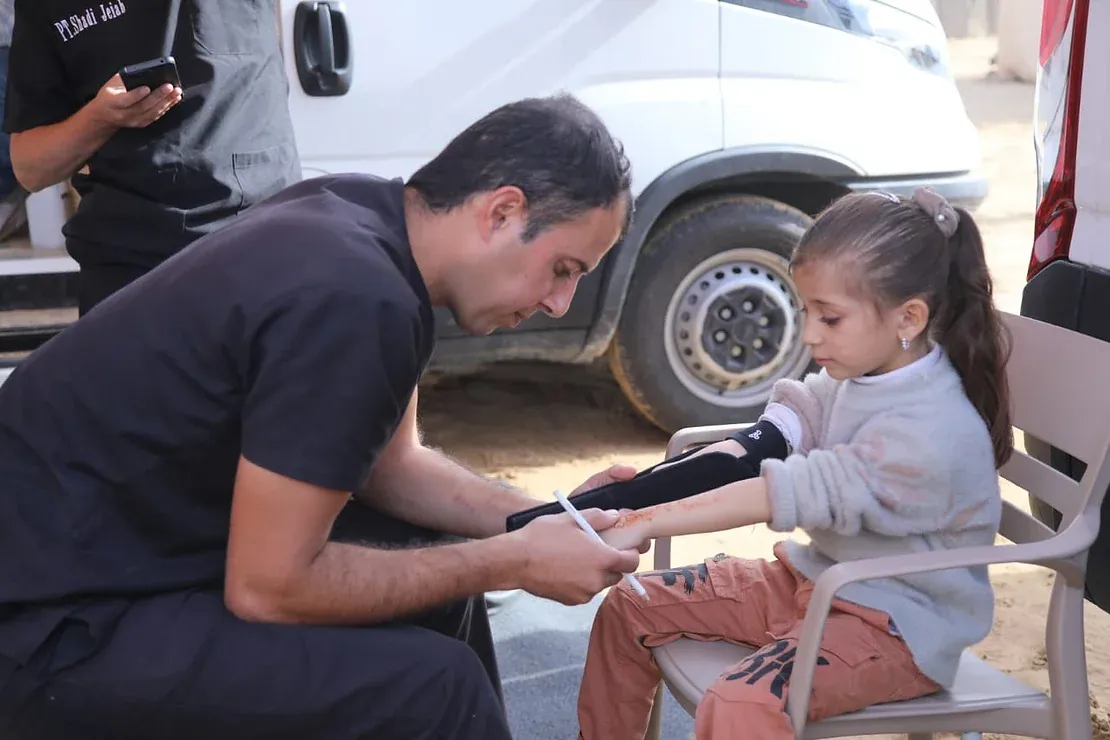
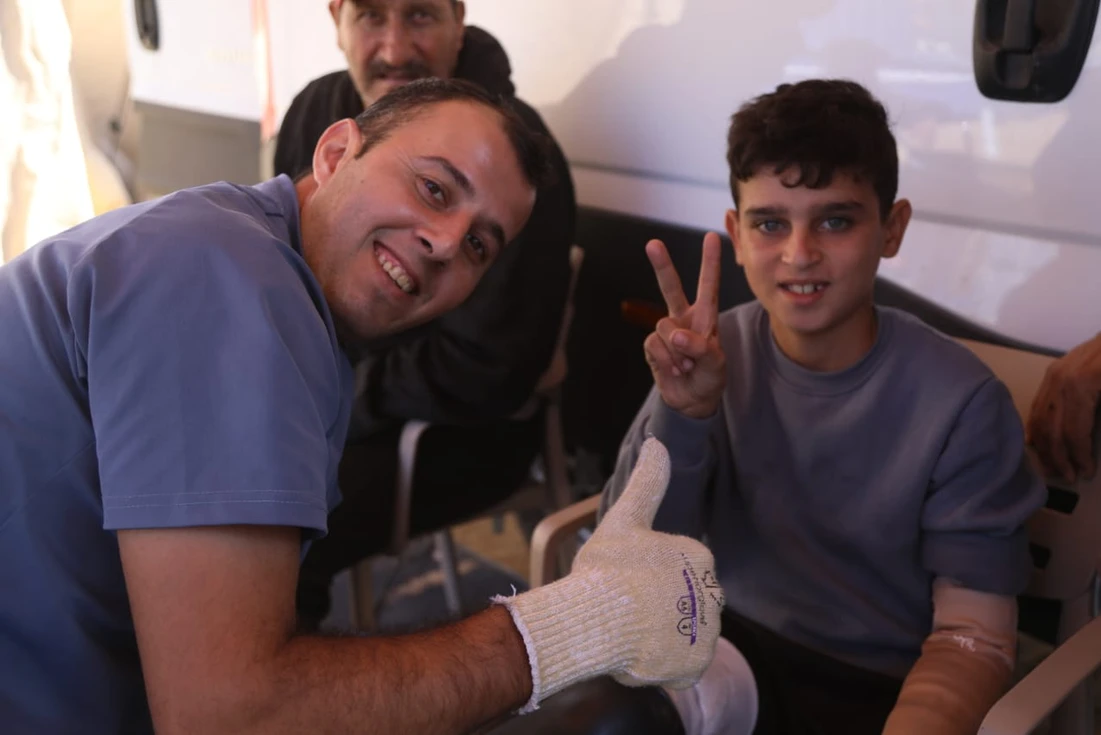
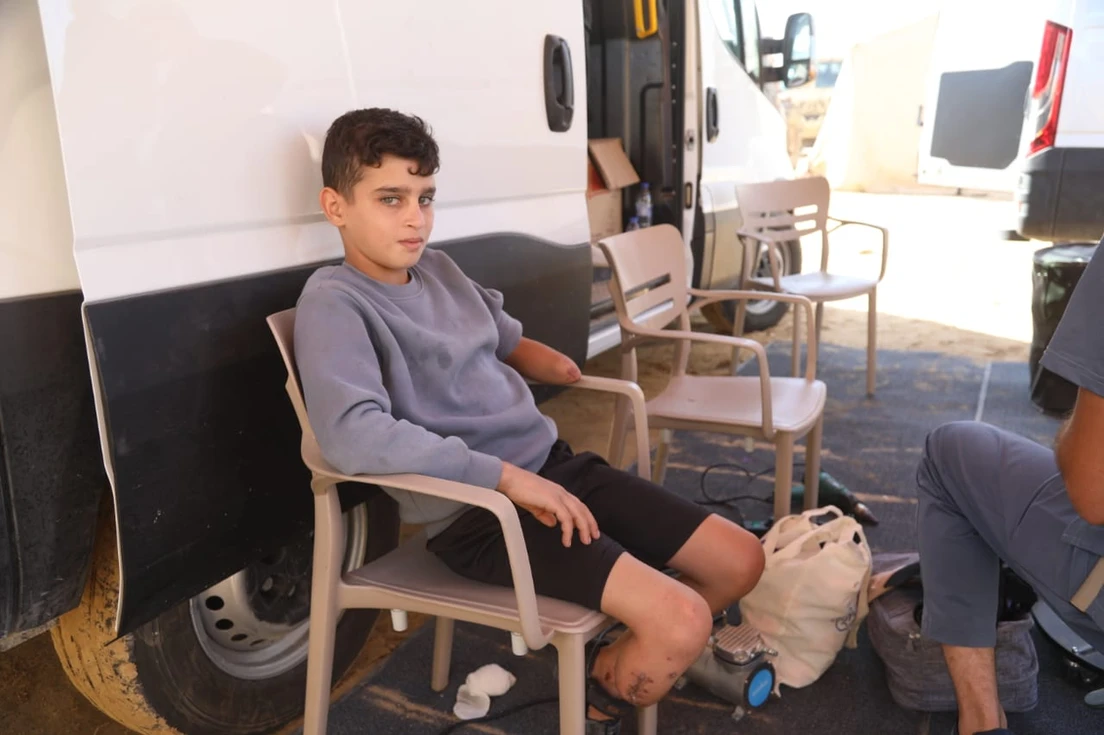
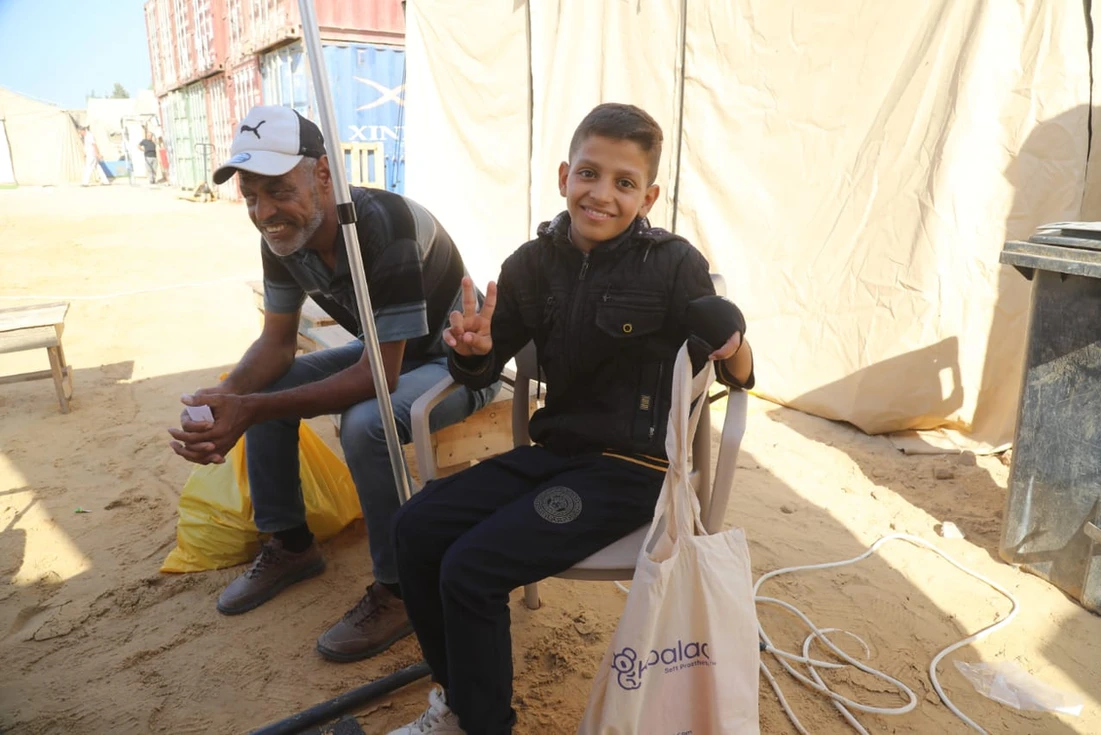
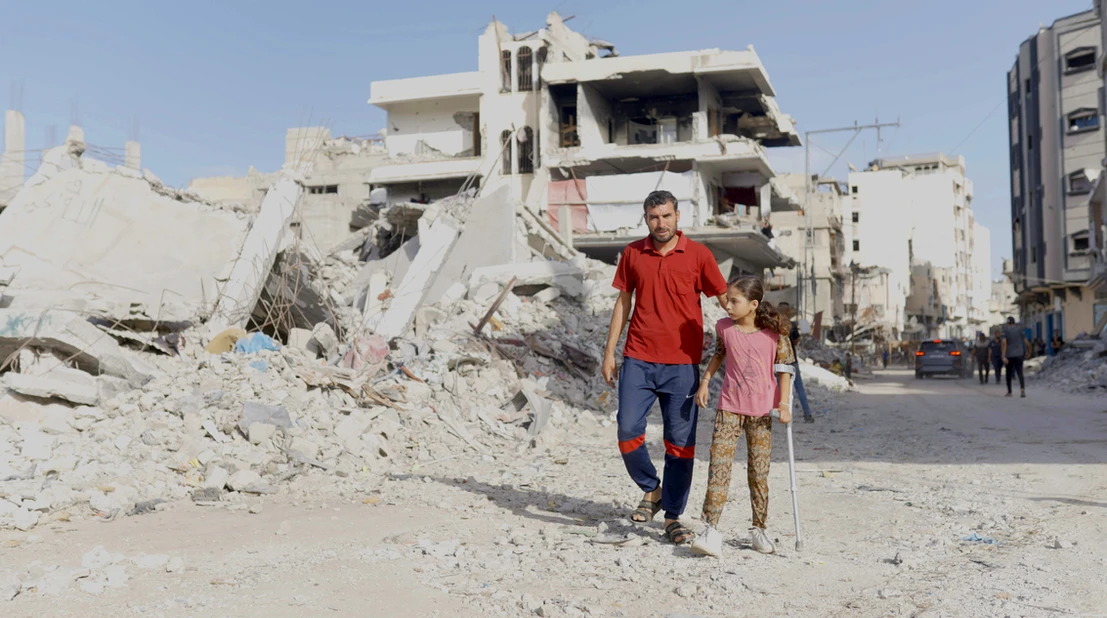
The devastating conflict in Gaza has created an unprecedented crisis in paediatric amputee care, with thousands of children requiring immediate and long-term support. Whilst the situation is heart-breaking, Jordan’s innovative response to this humanitarian emergency could revolutionise how we care for child amputees globally, particularly in resource-limited settings.
The Traditional Challenge of Paediatric Amputee Care
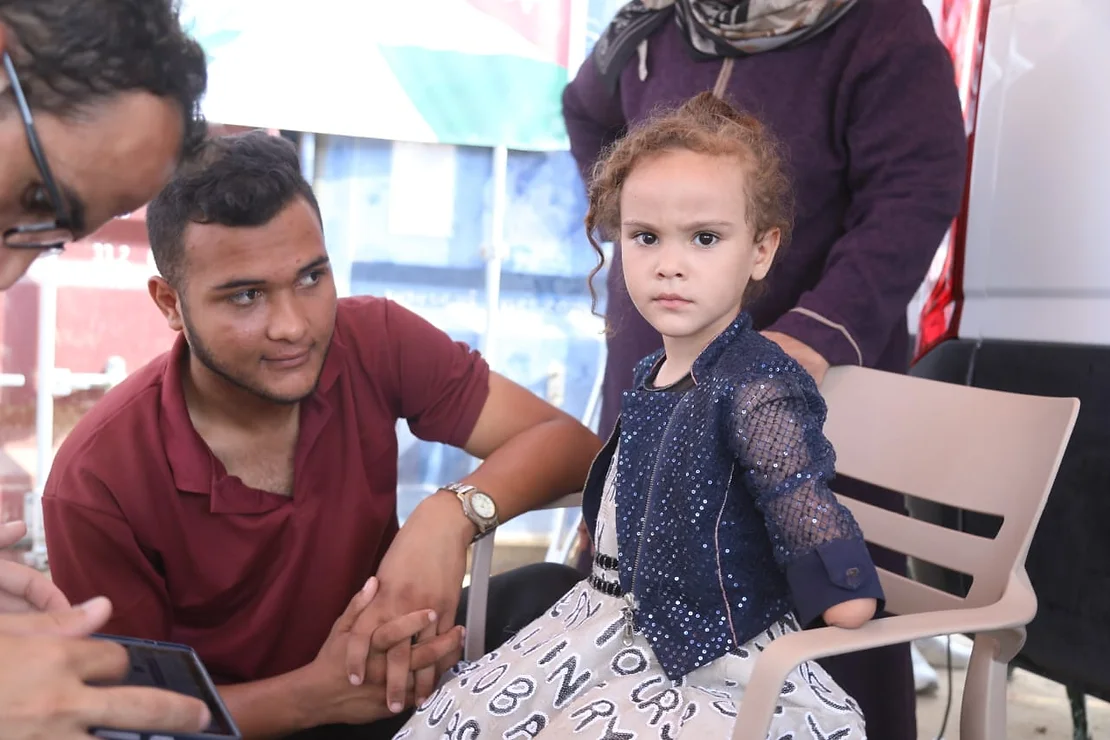
For decades, prosthetic care has primarily focused on adults, creating significant gaps in paediatric services. Adult prosthetics are designed for stable body dimensions, whereas children’s bodies are constantly growing and changing. This means children typically need multiple prosthetic adjustments and replacements throughout their development, leading to substantial ongoing social and economic costs (see www.lsngroup.org/post/early-intervention-in-prosthetic-care-the-game-changing-potential-to-unlock-higher-roi) for families and healthcare systems.
Moreover, children’s prosthetic needs differ fundamentally from adults’. Whilst adult prosthetics typically optimise for work and daily living activities, children require designs that support play, school participation, and sports. Their prosthetics must be more durable to withstand active play and have different weight-to-strength ratios to accommodate their smaller frames.
The Restoring Hope Initiative in Gaza
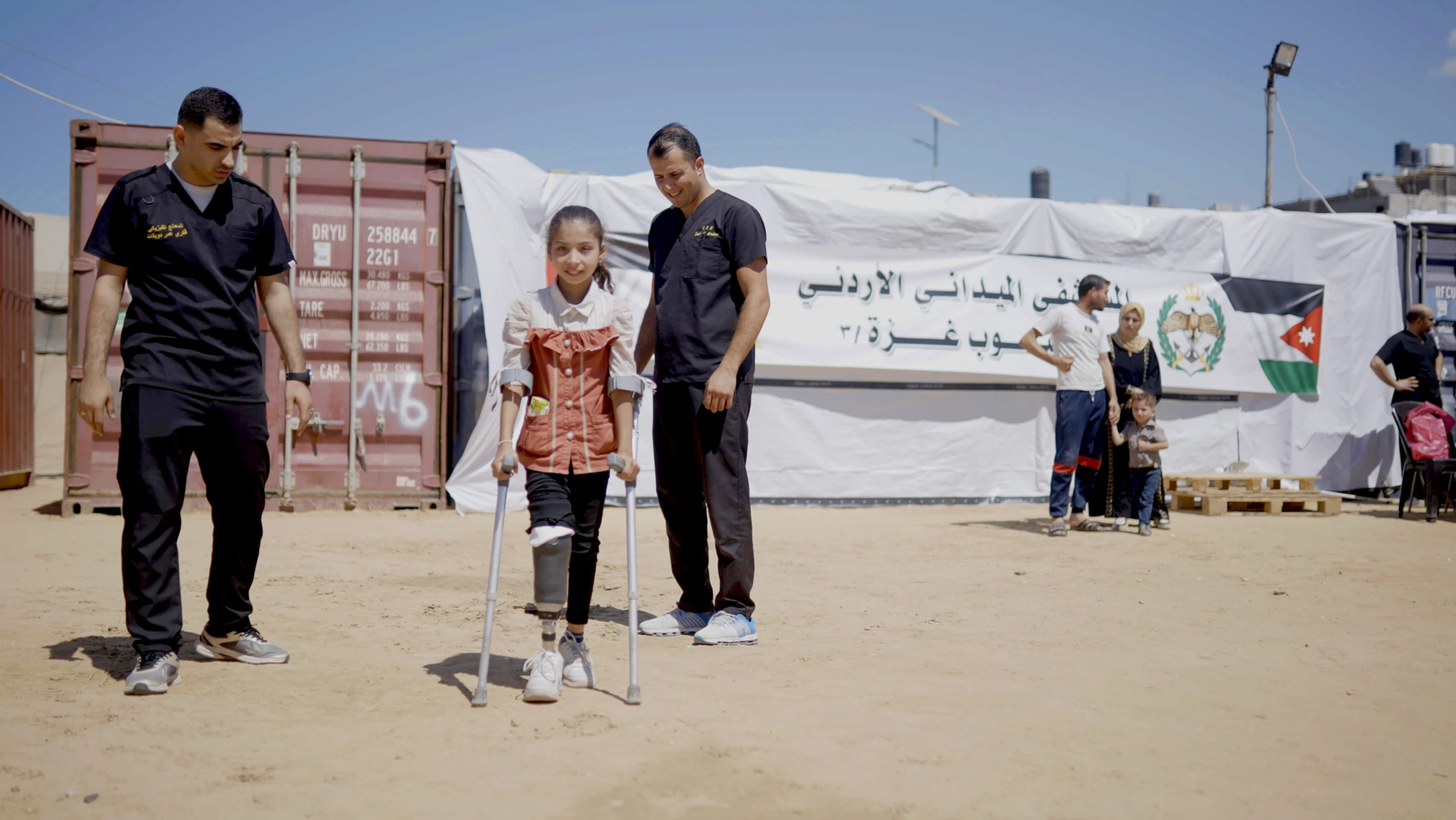
In response to the crisis in Gaza, LSN is exploring ways of establishing a comprehensive paediatric amputee care programme that addresses these longstanding challenges through the Restoring Hope Initiative.
The approach combines several innovative elements that could serve as a model for paediatric amputee care worldwide.
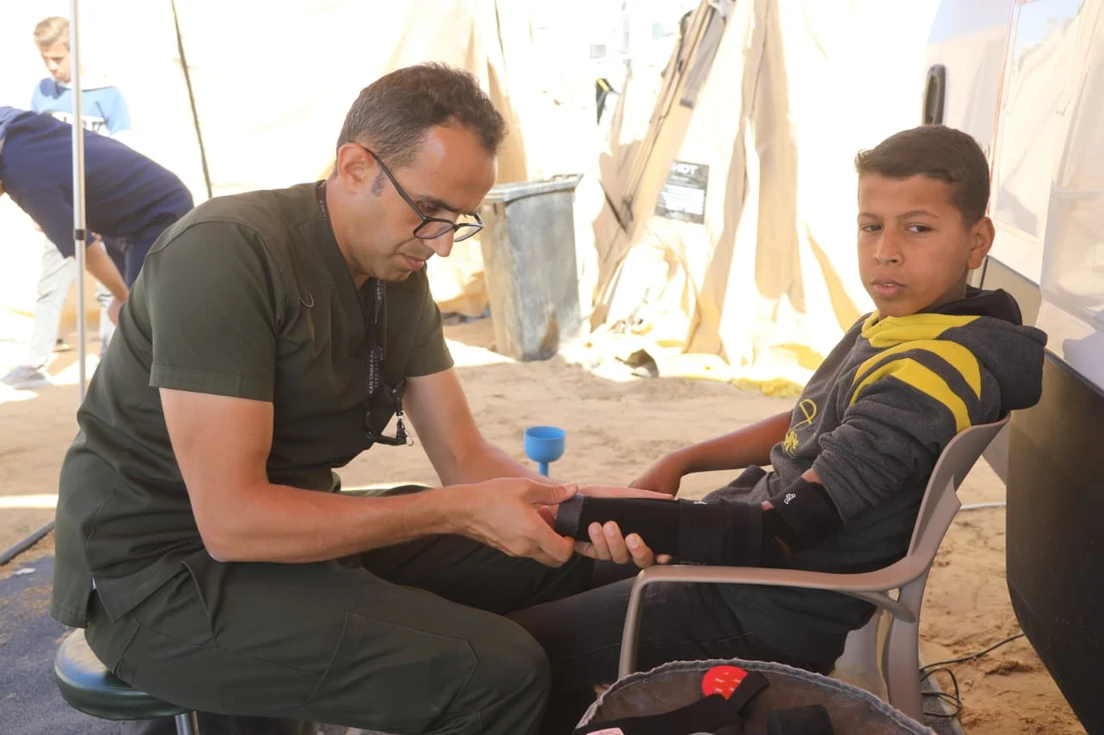
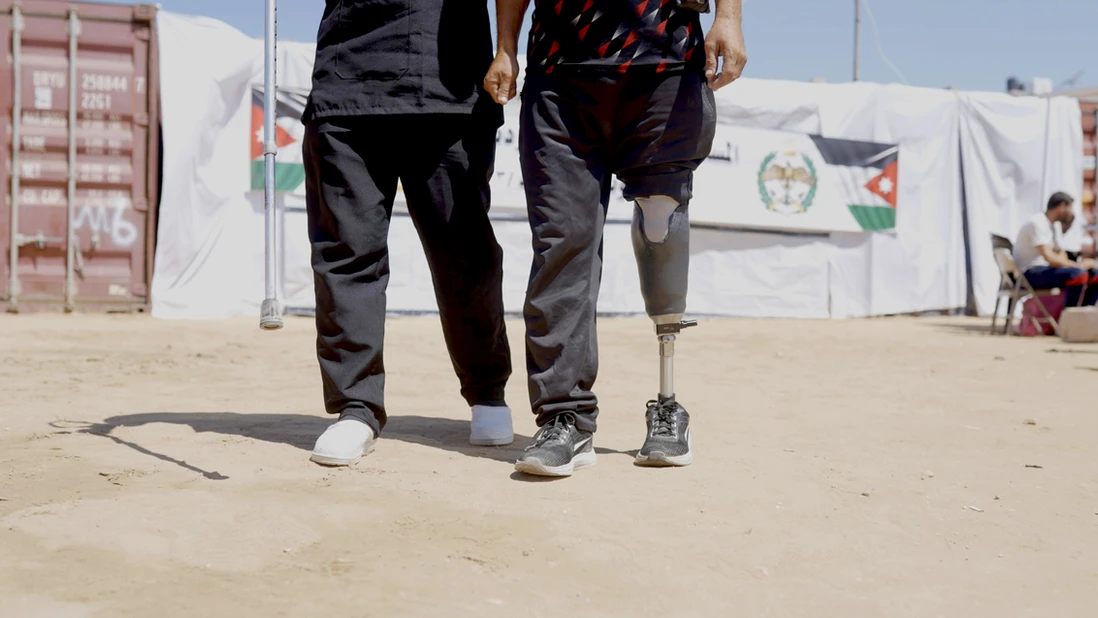
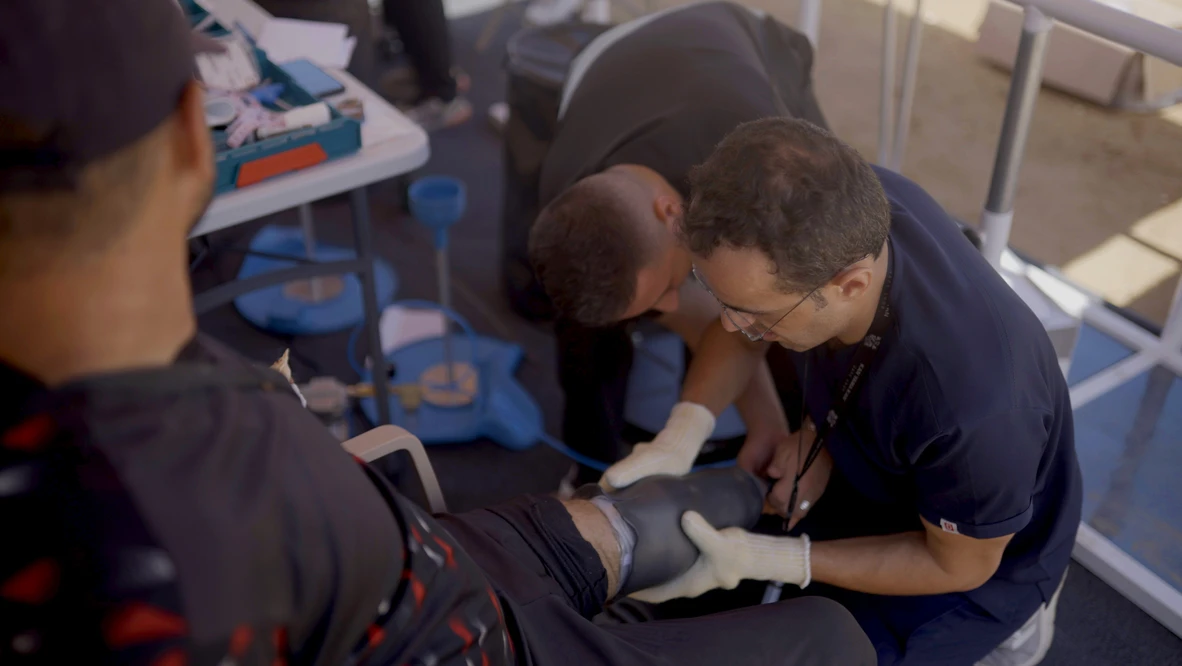
The first element is the introduction of fast-fitting prosthetics, where children can be fitted with prostheses in a matter of a couple of hours, meaning that they don’t lose weeks with fittings and avoid all the commensurate complications ( physical, emotional, educational, psychological) that a delay invokes.
For upper limbs at least, fast-fitting prosthetics can be fitted within 24 hours of surgery, so the prosthesis, like getting a new pair of glasses or new shoes, immediately becomes part of their identity.
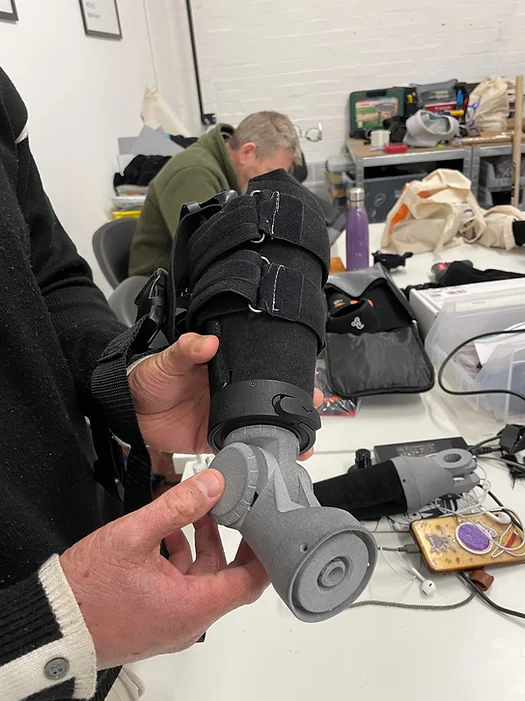
The second element is the use of modular prosthetic systems specifically designed for children, building on existing, proven technologies. The new features involve adjustable components that can “grow” with the child, significantly reducing the need for frequent replacements. The designs prioritise affordability and durability whilst maintaining functionality, making them particularly suitable for resource-limited settings. Modular prosthetics also reduce economic (and social) costs hugely (see https://www.lsngroup.org/post/transforming-lives-through-sustainable-prosthetics, as individual components can be replaced rapidly and cheaply with a child’s growth.
A modular fast-fitting arm prosthetics that can grow with children, significantly reducing the need for frequent replacements.
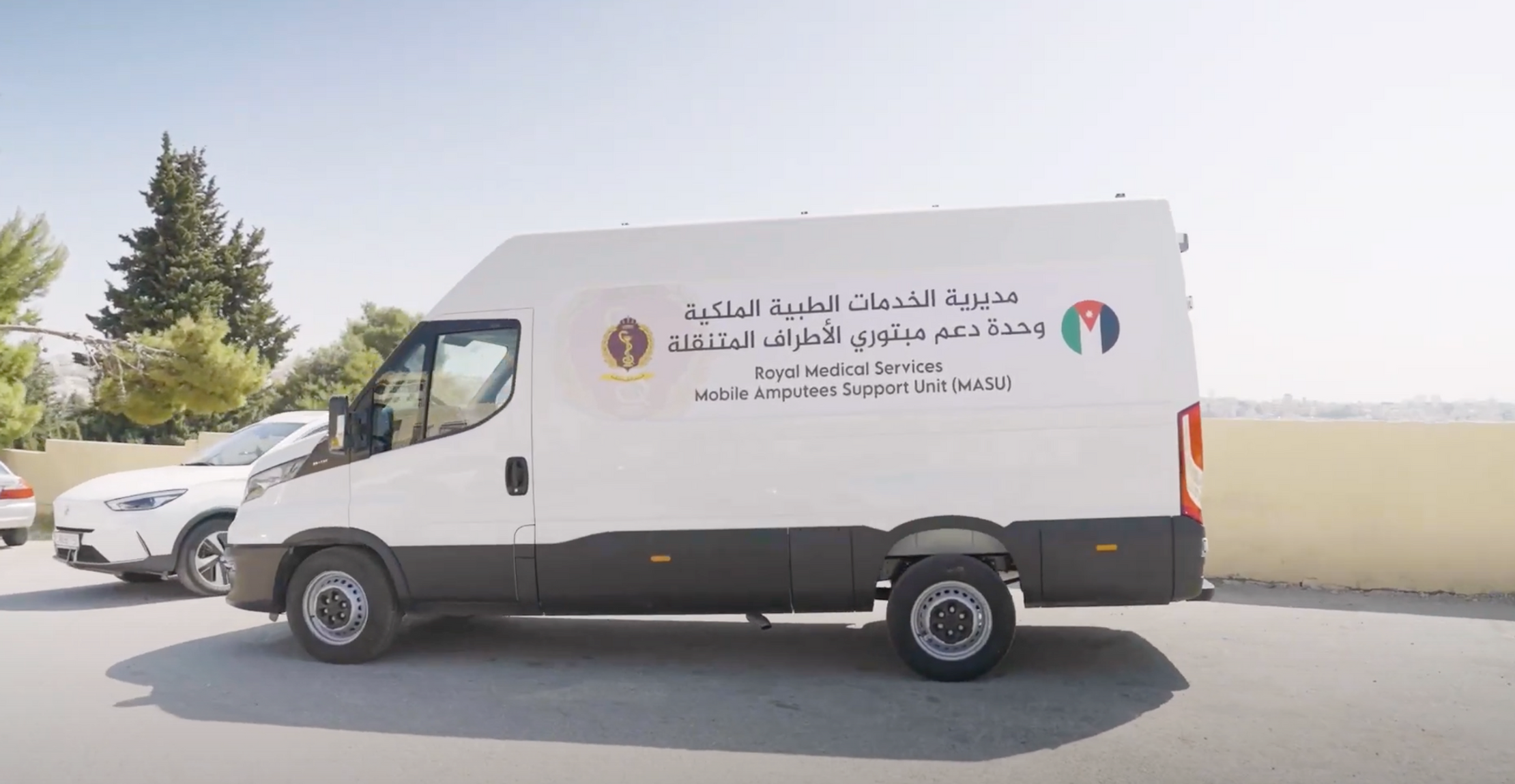
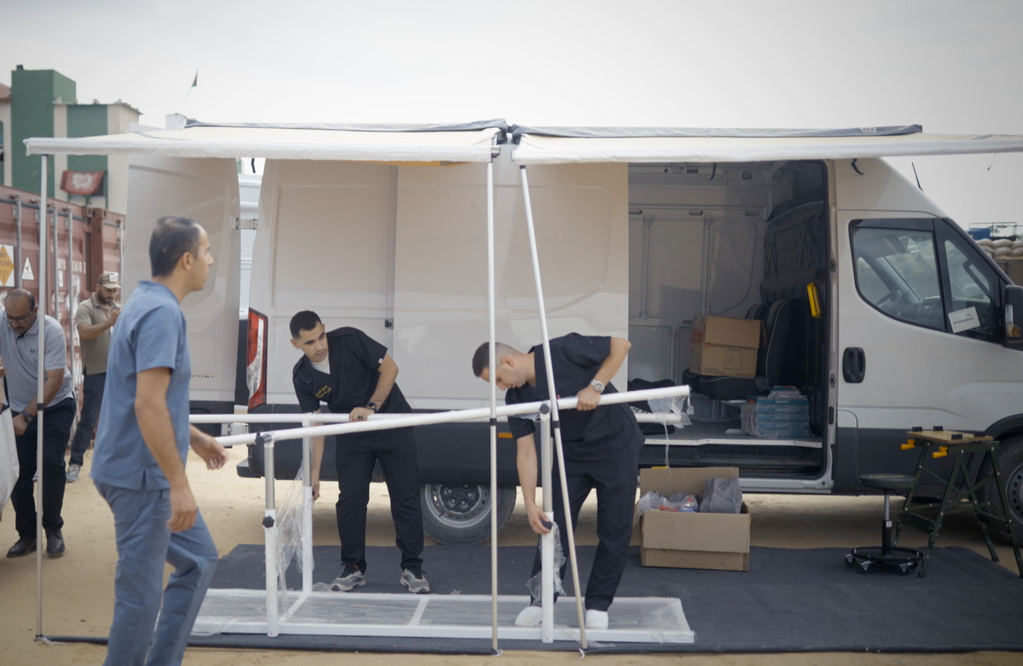
The third element is future proofing the approach so that it the amputee support services can be provided from a mobile base. A distributed care network that brings services closer to patients. Mobile prosthetic clinics can then reach children who cannot travel to major medical centres, whilst telemedicine platforms enable remote consultations and adjustments. Whilst this approach could be especially valuable in crisis situations where traditional healthcare infrastructure may be compromised, it could transform conventional thinking about healthcare infrastructures making them much more cost effective and require less capital.
Integration of Support Services
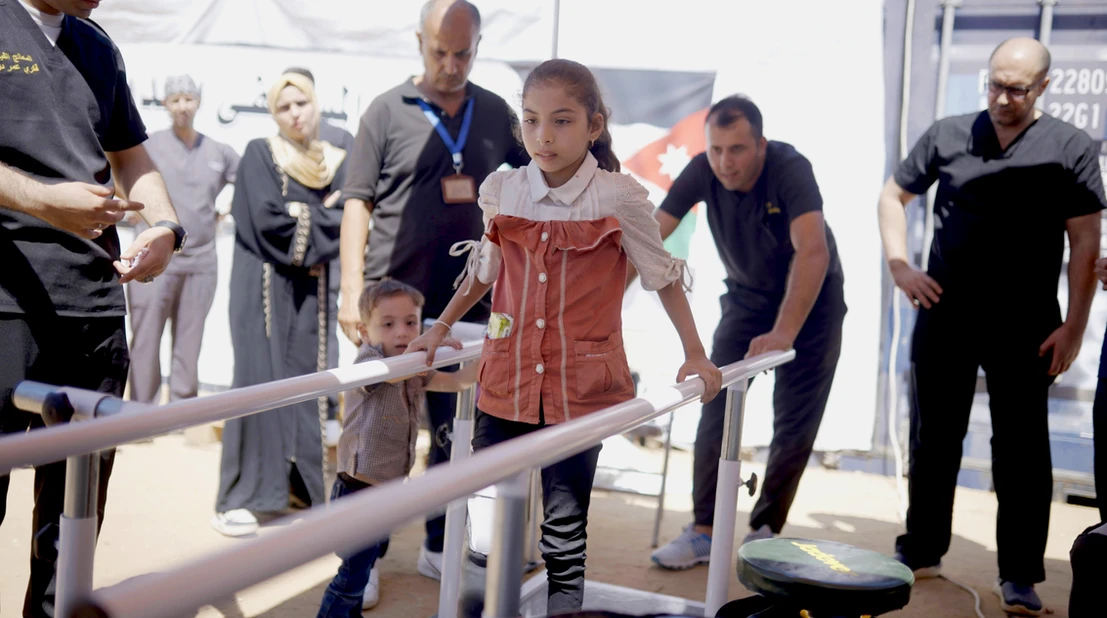
Perhaps most significantly, this new programme recognises that successful paediatric amputee care extends far beyond the prosthetic device itself. Their integrated support system needs to combine physical therapy, psychological support, and educational assistance. We have documented in other briefs peer support networks that connect families facing similar challenges, whilst vocational training programmes help older children plan for their futures.
The programme can place greater emphasis family involvement, acknowledging that children’s care requires active participation from carers. Whilst in healthcare the focus is on the patient, with children the care they receive may affect the entire family. Caring for children is also about ensuring the family receive comprehensive education about prosthetic care, rehabilitation exercises, and supporting their child’s psychological adjustment.
Technology as an Enabler
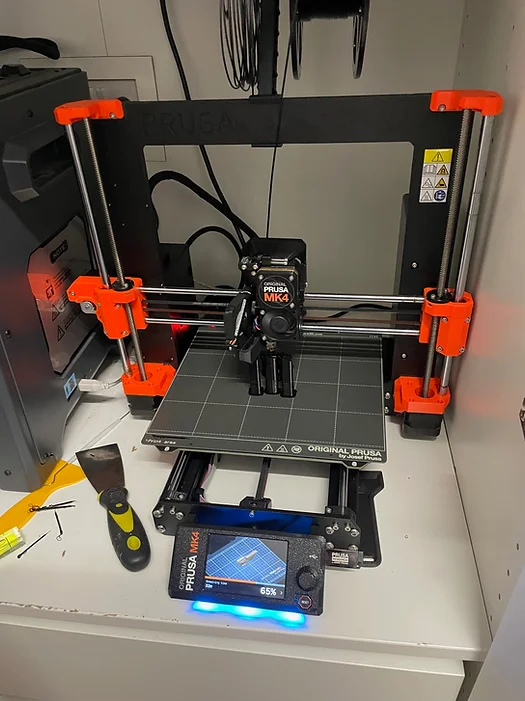
3-D printing of a fast-fitting prosthetic; 3-D printing enables fast local production
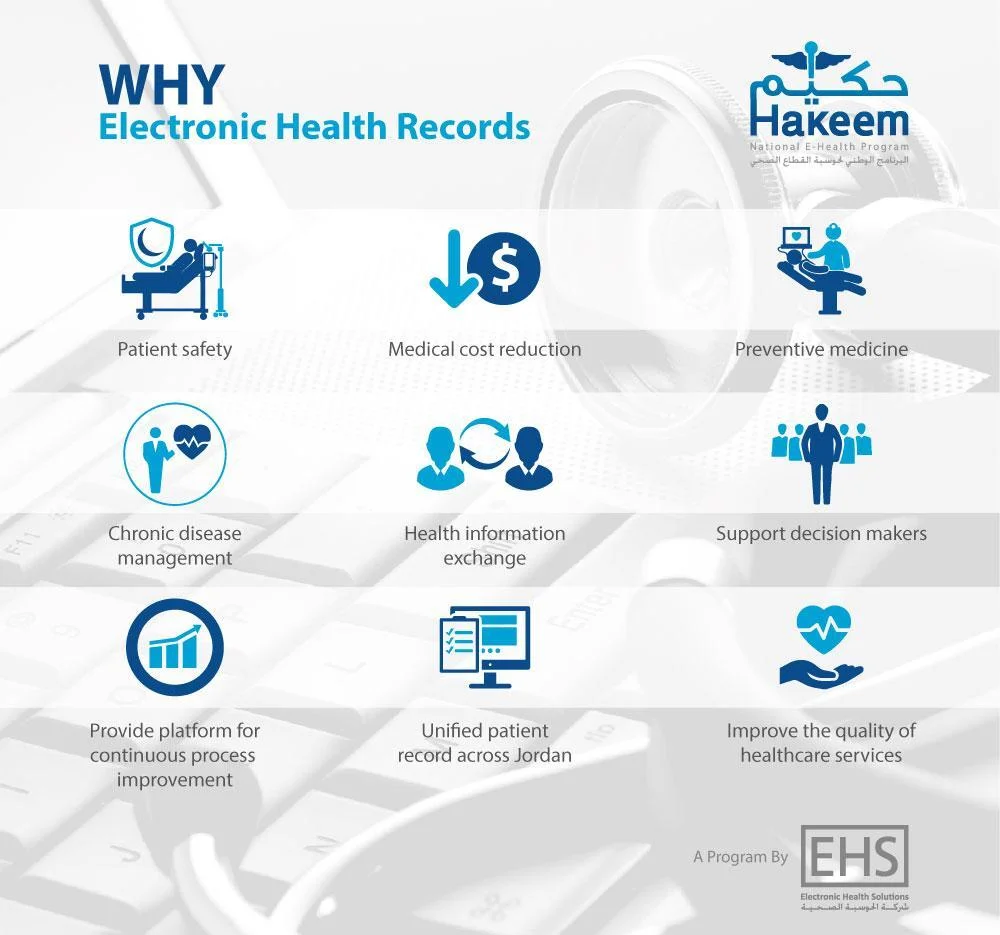
Modern technology plays a crucial role in making this comprehensive care model possible. New remouldable materials and 3-D printing capabilities can enable rapid, local production of prosthetic components, whilst digital health records track children’s growth and adjustment needs. Mobile apps could guide families through rehabilitation exercises, and telehealth platforms maintain continuous contact between medical teams and patients.
Global Implications
The innovations emerging from the response to the Gaza crisis could transform paediatric amputee care worldwide. The modular prosthetic designs, distributed care networks, and integrated support systems vital in an emergency setting could address the longstanding challenges in paediatric prosthetic care that affect children everywhere, from war zones to peaceful nations.
Their model illustrates how effective paediatric amputee care must be holistic, considering not just the physical need for a prosthetic device, but the entire ecosystem of support a child needs to thrive. This includes psychological support for trauma recovery, educational assistance to maintain academic progress, and family support systems to ensure sustainable care.
Looking Forward
Whilst born from crisis, this innovative approach to paediatric amputee care offers hope for children worldwide who need prosthetic support. By demonstrating that comprehensive, child-centred care is possible even in challenging circumstances, we are creating a blueprint that could benefit children everywhere, from those affected by conflicts to those who lose limbs through accidents or illness.
As we continue to learn from this model, we have the opportunity to transform paediatric amputee care globally, ensuring that every child who needs prosthetic support receives comprehensive, age-appropriate care that supports their full development and potential. Could the lessons learned from Restoring Hope in this humanitarian crisis help establish new international standards for paediatric amputee care, creating lasting positive change from an otherwise tragic situation?
Challenges and Opportunities in Mine Action Victim Assistance
Executive Summary
Landmines and explosive remnants of war continue to claim thousands of victims annually, creating lifelong challenges that extend far beyond initial trauma. In 2022 alone, 4,710 people were killed or injured by these weapons, with civilians accounting for 85% of casualties. Each survivor’s journey reveals the complex, intergenerational impact of explosive ordnance contamination on communities and healthcare systems.
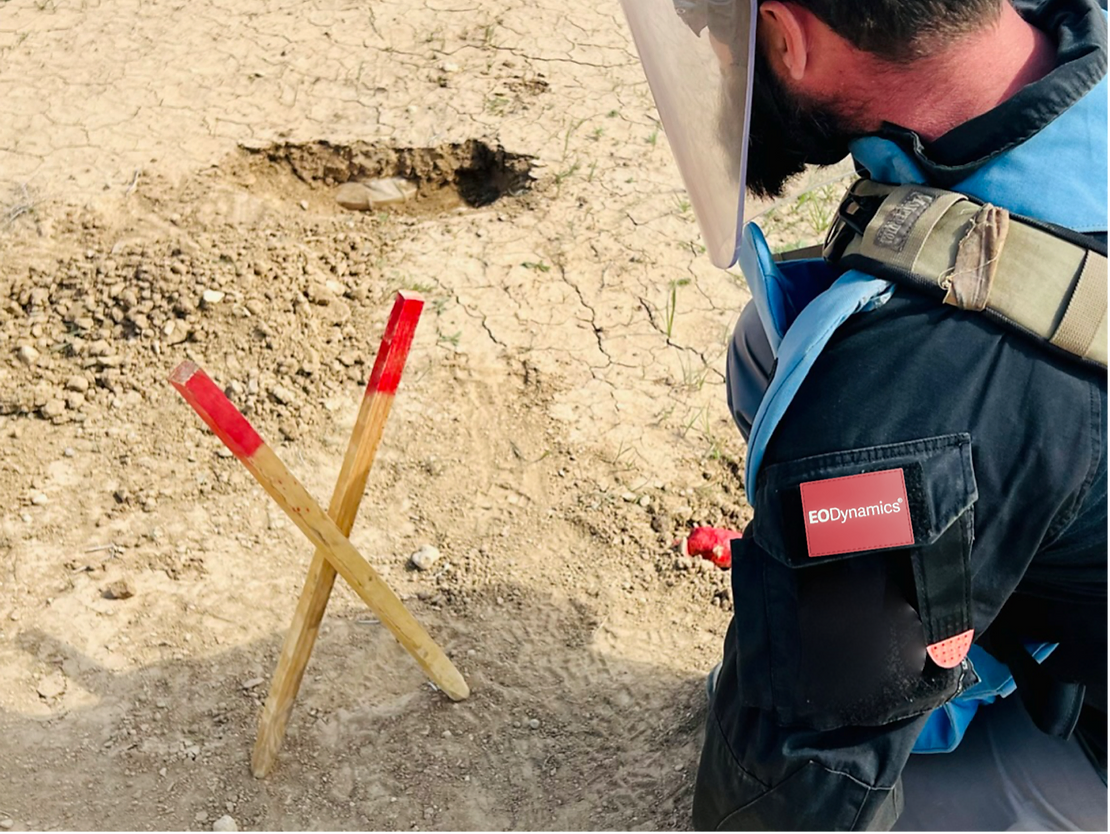
Mine Action’s comprehensive response framework operates through five essential pillars: Clearance, Risk Education, Victim Assistance, Advocacy, and Stockpile Destruction.
Among these, Victim Assistance represents a unique challenge, requiring sustained, long-term commitment to support survivors throughout their lives. Current funding meets only a fraction of the need, with Victim Assistance receiving just 4% of total Mine Action funding in 2021, despite the extensive costs of prosthetics, rehabilitation, and ongoing care.
The landscape of Victim Assistance is evolving rapidly. Traditional challenges of accessibility, resource sustainability, and technical capacity are being met with innovative solutions. Mobile prosthetic units are bringing care directly to remote communities, while emerging technologies like 3D printing are reducing costs and improving service delivery. However, significant gaps remain, particularly in coordinating care across different regions and ensuring consistent long-term support for survivors.
This analysis examines both persistent challenges and promising opportunities in Mine Action Victim Assistance. By understanding the complex interplay between funding constraints, technological innovation, and service delivery models, we can work toward more effective and sustainable support systems for survivors. Our findings suggest that success requires not only increased resources but also fundamental shifts in how we approach program design, implementation, and coordination.
Key recommendations include:
· Integrating Victim Assistance more closely with national healthcare systems
· Adopting hybrid service delivery models combining fixed facilities with mobile units
· Leveraging new technologies such as those incorporated in Mobile Amputee Support Units to improve both care quality and program efficiency
· Developing innovative funding mechanisms to ensure sustainable long-term support
· Strengthening data collection and coordination among stakeholders
By addressing these critical areas, the Mine Action community can better serve the needs of survivors while building more resilient and effective assistance programs for the future.
Introduction
When a landmine survivor in rural Cambodia received her first prosthetic limb in 1995, she faced a lifelong journey of rehabilitation, maintenance, and adaptation. Today, while the technology has advanced significantly, many survivors worldwide still struggle to access consistent, quality care. This reality underscores both the progress made and the considerable work that remains in Victim Assistance.
The story of Thaibah illustrates the importance of improving Victim Assistance and support for amputees in particular.
NGO Care International shared the story of Thaibah, a 16-year-old girl from Yemen, who in 2017 lost her leg after stepping on a landmine while tending to her family’s goats. The explosion not only resulted in the loss of her leg but also inflicted severe injuries on her other leg, necessitating multiple surgeries. Her family, already facing financial hardships, sold their land and livestock to afford a prosthetic limb costing approximately $925. Unfortunately, the prosthesis was ill-fitting, causing infections and rendering it unusable.
The ongoing conflict in Yemen further complicated access to consistent medical care and rehabilitation services. Despite their efforts, Thaibah’s family struggled to provide the necessary support for her recovery, leading to feelings of being a burden and diminishing hopes for her future.
Victim Assistance should encompass comprehensive support for survivors of landmine and ERW incidents, their families, and affected communities. This support includes emergency and ongoing medical care, physical rehabilitation, psychological support, socioeconomic reintegration, and advocacy for survivors’ rights.
The Global Scale of Need
Current Impact
The scope of Mine Action Victim Assistance extends across multiple dimensions. According to the Landmine Monitor 2023, in 2022, at least 4,710 people were killed or injured by landmines and explosive remnants of war, with civilians accounting for 85% of these casualties, though this figure likely understates the true scale as many incidents in remote areas go unreported. The impact ripples through families and communities, affecting hundreds of thousands of people who depend on or care for survivors.
Victim Assistance programs need to operate globally. Where the national healthcare capacity has been overwhelmed, International Non-Governmental Organisations (INGOs) seek to establish Mine Action Victim Assistance programmes.
According to International Campaign to Ban Landmines (ICBL) and Landmine Monitor Reports these currently are in effect in Afghanistan, Cambodia, Angola, Colombia, Vietnam, Laos, Iraq, Syria, Ukraine, Sudan and South Sudan, Bosnia and Herzegovina, Mozambique, Somalia, Sri Lanka, Chad, Ethiopia, Yemen and Zimbabwe. These countries are not the only ordnance contaminated nations, but face some of the most extreme EO contamination and therefore VA needs, with each nation and region requiring context-specific solutions that account for local resources, culture, and infrastructure.
Aside from the scale of donor engagement in Victim Assistance, there are challenges. Donors prioritising VA are often not the same donors engaged in other pillars of Mine Action. This may lead to disjointed funding undermining coordination in MA programming, as conflicting donor requirements cause different MA effects to be carried out in geographically different areas.
To better improve programme, Mine Action specialists would need to diversify their responses, including VA as a component of a strategic holistic Mine Action response, and coordinating donor proposals to invite typically MA clearance donors to absorb VA funding into the MA response, or to link VA proposals to other donors with Clearance and EORE proposals for separate donors. The individual components of these strategic responses may appear less attractive prospects as their outputs would be compromised by planned cooperation with other MA responses, and donors would need to take into account the total effect achieved by more coordinated funding efforts.
Resource Requirements
The financial scale of Victim Assistance is substantial. Individual care packages vary significantly:
Initial medical care and basic rehabilitation typically costs between $1,000 and $5,000 per survivor
Comprehensive long-term support often exceeds $20,000 per person
Prosthetic devices, ranging from $300 to $3,000, require replacement every few years
Annual maintenance costs average $300 to $1,000
Socioeconomic reintegration programs require $1,000 to $3,000 per beneficiary
When aggregated globally, these costs reach hundreds of millions of dollars annually. However, current funding meets only a fraction of the need, with the International Campaign to Ban Landmines reporting that in 2021, Victim Assistance received just 4% of total Mine Action funding.
Ongoing Challenges
Resource Sustainability
Unlike Mine Action land release operations with definable endpoints, Victim Assistance requires long-term, sustained support. A survivor injured at age 20 might need assistance for 50 years or more. Children require new prosthetics as they grow and this support is vital for them to be join in with their friends during their developmental years. This ongoing requirement creates particular funding challenges as donor interest often wanes over time, especially in protracted post-conflict situations.
Consider the case of a young survivor in Angola:
Sapalo, a 14-year-old boy from Luena, illustrates the struggles faced by landmine survivors in Angola. After losing both legs in an explosion, Sapalo’s family, subsistence farmers with limited means, found it challenging to afford his medical care. The underfunded hospital required families to purchase even basic necessities like blood for transfusions. Without adequate support, Sapalo’s prospects for obtaining prosthetic limbs and accessing education were bleak, highlighting the systemic issues in providing sustained assistance to survivors. While initial emergency care funding was readily available, securing consistent support for prosthetic replacements and rehabilitation has proved increasingly difficult over the years. This pattern repeats across many affected regions, where initial care is strong but long-term support falters.
Access and Infrastructure
Many mine/ERW incidents occur in remote areas with limited infrastructure, creating significant service delivery challenges. According to Action on Armed Violence, in Mozambique, many survivors live in regions where essential services are scarce. Traveling to provincial capitals for treatment can mean journeys of 200 to 400 kilometers, posing substantial obstacles to receiving timely and adequate care. Long journey sto acces care result in not only the physical demands of travel but also substantial costs and potential security risks. These barriers often result in delayed or foregone care, compromising recovery outcomes for individuals and preventing or delaying wider societal conflict recovery.
Technical Capacity
The specialized nature of mine/ERW injury treatment requires specific expertise often scarce in affected regions, with an already low capacity further degraded by the effects of armed conflict. Conflicts lead to resource depletion, increased workloads, and unsafe environments, prompting HCWs to flee. In Syria, 50% of health workers and 95% of physicians in Aleppo have left the country since 2011. From emergency trauma care to prosthetic fitting and psychological support, the technical demands are high. Training and retaining qualified professionals presents an ongoing challenge, particularly in remote or conflict-affected areas.
Data and Coordination
Effective assistance requires accurate data about survivors, their needs, and available services. International Mine Action Standards provide an excellent framework for information management[3] for Clearance and EORE operations, However, privacy concerns, limited technology infrastructure, and poor coordination between service providers often result in fragmented, duplicated or incomplete information. This hampers planning and resource allocation while making it difficult to demonstrate program impact to donors.
Emerging Opportunities
Technological Innovation
Recent advances offer promising solutions to longstanding challenges:
Remouldable sockets
Circular economy concepts in prosthetic product design and the creation of a service model
3D printing may enable local production of custom prosthetics at reduced costs
Telemedicine platforms connect remote survivors with specialists
Smart prosthetics with embedded sensors provide data for proactive maintenance
Digital health records improve continuity of care
Mobile Service Delivery
The Mobile Amputee Support Units (MASU) model used by the Restoring Hope programme in Gaza is illustrative of how innovative approach can transform service delivery. These units currently operating in the Jordanian field hospital aim to bring specialized care directly to affected communities, dramatically reducing travel barriers while maintaining high-quality standards. The success of MASU in Gaza shows how mobility and technology can combine to overcome traditional access challenges.
Integration with National Systems
Growing recognition of the importance of integrating Victim Assistance into national health and disability services offers several advantages:
Enhanced sustainability through existing systems
More comprehensive care beyond mine/ERW-specific needs
Improved resource leverage from national health programs
Better coordination of services
Capacity Building Through Technology
Digital platforms create new opportunities for professional development and training. Virtual reality systems provide hands-on experience in prosthetic fitting, while online learning programs help maintain and upgrade healthcare workers’ skills in remote areas. These tools can help build and maintain technical capacity more efficiently than traditional training methods.
The Path Forward
Innovative Funding Approaches
New funding mechanisms could help ensure more sustainable resource flows:
Results-based financing tied to specific outcomes
Social impact bonds engaging private sector investment
Integration with broader development funding
Community-based funding models
Enhanced Data Systems
Improved data collection and management systems could transform program effectiveness:
Blockchain technology for secure, transparent record-keeping
Standardized reporting mechanisms across providers
Real-time monitoring and evaluation systems
Improved coordination between stakeholders
Hybrid Service Models
Combining traditional facilities with mobile units and telemedicine creates more comprehensive coverage:
Fixed centres for complex cases and specialized care
Mobile units for routine maintenance and basic services
Telemedicine for remote consultation and monitoring
Community-based support networks
Community Engagement
Strengthening local involvement enhances program sustainability:
Training community health workers
Developing peer support networks
Building local capacity for basic maintenance
Engaging survivors in program design and implementation
Conclusion
The future of Mine Action Victim Assistance lies at the intersection of humanitarian commitment and technological innovation. While the challenges of providing comprehensive, lifelong care to survivors remain substantial, emerging solutions offer unprecedented opportunities to transform service delivery and improve outcomes. The integration of mobile units, telemedicine, remouldable prosthetic sockets demonstrates how innovation can extend the reach of limited resources.
However, technology alone cannot address the fundamental need for sustained funding and coordinated support. Success requires a multilayered approach: strengthening national healthcare systems, fostering local expertise, embracing technological advances, and developing sustainable funding mechanisms. Most critically, we must ensure that survivors’ voices and experiences guide program development, recognizing that each individual’s journey extends beyond physical rehabilitation to encompass psychological healing and social reintegration.
By combining proven methodologies with innovative approaches, while maintaining unwavering focus on survivors’ needs, the Mine Action community can build more resilient and effective assistance programs. The path forward demands not only financial investment but also a renewed commitment to collaboration across sectors, borders, and disciplines. Through such coordinated effort, we can work toward a future where every survivor has access to the comprehensive, dignified care they need—not just for immediate recovery, but for lifelong wellbeing.