

Category: News

Advances in Pain Management for Trauma Support

Advances in Pain Management for Trauma Support

Innovations and Practical Implications: A Supporting Wounded Veterans Case Study

Introduction

Pain management is a crucial aspect of trauma support due to the prevalence and impact of both acute and chronic pain. The pain as well as the medication sometimes used to manage pain can both be incapacitating and can have a significant impact on the rehabilitation pathway as well as the future physical and mental capacity and quality of life. The good news is that there are many promising areas of research in this field.

As ever,  there is the challenge of translating this research into practical support for pain management programmes and sharing innovations amongst similar organisations around the world or from other support programmes that have a pain management component to them, such as in the case of end-of-life care.

Pain management in palliative care

Pain management is essential in end-of-life care due to its significant impact on patients’ quality of life, alleviating physical and emotional suffering, and allowing meaningful engagement with family and friends. Effective pain control improves overall well-being, facilitates psychological stability, and supports patients in achieving any end-of-life goals. Lessons from palliative care, especially those that focus on the patient’s quality of life can be applied elsewhere in pain management.

Research underscores the prevalence of pain among terminally ill patients, with many experiencing moderate to severe pain, emphasising the need for robust pain management strategies. Pharmacological approaches, particularly the use of opioids, non-opioid analgesics, and adjuvant medications, have been extensively studied to determine optimal dosages and combinations for pain relief while minimizing side effects. Non-pharmacological interventions, including physical therapy, psychological support, and complementary therapies, are also crucial, providing additional relief and enhancing overall well-being.


One size does NOT fit all

Personalised pain management plans, tailored to individual patient needs and preferences, are increasingly recognized for their effectiveness. These plans require regular and systematic pain assessment using validated tools to ensure ongoing efficacy and adjustment of treatment strategies. Education and training for healthcare providers are critical to maintaining high standards in pain management, ensuring that they are equipped with the latest knowledge and skills.


The importance of a multidisciplinary approach

The research advocates for a multidisciplinary approach involving physicians, nurses, pharmacists, occupational therapists and mental health professionals to address the complex needs of patients.

It also emphasises the importance of involving patients and their families in the pain management process, enhancing understanding and cooperation in implementing home-based pain relief when necessary. These are challenges faced by the amputee community and those designing research programmes to improve support for individual patients.


Why it is important in the context of amputee support?

Pain management is crucial in amputee support for its significant impact on overall health, well-being, and rehabilitation outcomes. The prevalence of pain among amputees, including both phantom limb pain (PLP) and residual limb pain, underscores the necessity of effective pain control. PLP, where amputees feel pain in the amputated limb, can be severe and persistent, profoundly affecting quality of life. Residual limb pain, often resulting from surgical trauma, poor prosthetic fit, or neuromas, further complicates the patient’s condition, necessitating comprehensive pain management strategies.

Chronic pain in amputees significantly impacts their quality of life, affecting physical, mental, and social domains. Physically, unmanaged pain can reduce mobility and activity levels, leading to physical deconditioning and other health complications. This decreased physical activity can hinder overall health, exacerbating existing conditions and potentially leading to new health issues. Mentally, persistent pain is closely associated with higher rates of depression, anxiety, and sleep disorders, further diminishing the patient’s quality of life. Socially, chronic pain can lead to significant functional impairments, limiting the ability to perform daily activities and reducing independence. This can result in decreased social engagement and increased feelings of isolation and frustration.

Effective pain management is also essential for the successful use of prosthetics. Pain can hinder the adaptation to and use of prosthetic limbs, impacting mobility and rehabilitation outcomes. Without adequate pain control, amputees may struggle with prosthetic fitting and function, which can delay or impede their rehabilitation progress. Proper pain management enables better prosthetic use, facilitating improved mobility, independence, and overall rehabilitation success.


Promising Areas of Research and Innovations

Pain management research and innovation are opening up new options for amputees, building on the intersection of digital technology and neuroscience. These developments could lead to more effective, personalised, and holistic pain management strategies. Some of the most promising approaches include:

●      Neuromodulation techniques, such as Transcutaneous Electrical Nerve Stimulation (TENS) and Spinal Cord Stimulation (SCS), are at the forefront of these innovations. TENS is a non-invasive method that uses electrical currents to reduce pain signals, showing significant promise in managing both phantom limb pain (PLP) and residual limb pain due to its ease of use and non-invasiveness. SCS, involving implanted devices that deliver electrical impulses to the spinal cord to modulate pain signals, has seen advancements making the devices smaller, more effective, and easier to control, providing hope for chronic pain sufferers.

●      Pharmacological advances also offer new avenues for pain relief. Research into novel analgesics targeting specific pain pathways is reducing the reliance on opioids and minimizing side effects. These new pain medications, including those focusing on ion channels and specific receptors involved in pain transmission, are paving the way for more effective treatments. Investigations into the use of botulinum toxin injections have shown promise in reducing neuroma-related pain, offering targeted and potentially long-lasting pain relief for amputees.

●      Mirror therapy and virtual reality (VR) are gaining traction as non-invasive treatment options. Mirror therapy uses mirrors to create a visual illusion of the missing limb, helping to reduce PLP by retraining the brain. VR environments simulate the presence and movement of the amputated limb, providing a more immersive form of mirror therapy that can help desensitize the brain’s response to PLP, offering a promising avenue for pain relief.

●      Peripheral nerve interface (PNI) technologies, such as Targeted Muscle Reinnervation (TMR) and Regenerative Peripheral Nerve Interfaces (RPNIs), are showing significant promise. TMR is a surgical procedure that redirects nerves from the amputated limb to remaining muscles, reducing neuroma pain and improving prosthetic control. RPNIs use muscle grafts to create a biological interface for nerves, potentially reducing pain and improving prosthetic feedback, paving the way for more natural and comfortable prosthetic use.

●      Advanced prosthetic design is also contributing to improved pain management. Osseointegration, which involves the direct skeletal attachment of prosthetic limbs, can reduce socket-related pain and improve comfort and control, providing a more stable and pain-free prosthetic attachment that enhances mobility and quality of life. Additionally, sensory feedback systems in prosthetics can reduce phantom pain by restoring a sense of touch and proprioception, creating a more natural and integrated prosthetic experience.

●      Psychological and behavioural interventions are essential components of comprehensive pain management. Tailored Cognitive Behavioural Therapy (CBT) programs help amputees manage pain and improve coping strategies, addressing the mental aspects of chronic pain. Practices such as mindfulness meditation and biofeedback can reduce the perception of pain and improve mental well-being, gaining recognition for their role in holistic pain management. Emotional Freedom Technique or EFT can also be very useful, reframing the patient’s approach to their pain and pain management and offering them a set of psychological tools that can be used whenever they are needed.

●      Artificial intelligence (AI) and machine learning (ML) are transforming pain management through predictive analytics and AI-driven drug discovery. AI and ML can analyse large datasets to predict pain episodes and responses to treatments, enabling proactive and personalized pain management strategies. This predictive capability is revolutionizing how pain is monitored and treated. Additionally, machine learning algorithms are accelerating the discovery of new analgesics by identifying potential drug candidates more efficiently, streamlining the development of next-generation pain medications.


The integration of digital technology, neuroscience, and innovative medical techniques has the potential to revolutionize pain management for amputees, but it is also making the translational research more challenging as each patient is likely to respond differently.

These advancements promise more effective, personalized, and comprehensive strategies, significantly enhancing the quality of life for those suffering from chronic pain, but how then does one prioritise research and introduce new approaches into practical support? This can be seen in the context of the Supporting Wounded Veterans case study.


Supporting Wounded Veterans (SWV) case study in integrating specialist pain management

Supporting Wounded Veterans (SWV)  is a UK-based charity dedicated to helping wounded, injured, and sick veterans reintegrate into civilian life. The organization’s vision is to empower these veterans to regain their independence, rebuild their lives, and find meaningful occupation, training or employment after their military service. The charity was founded in 2012 by Gilly Norton, who was inspired to help after witnessing the challenges faced by wounded veterans returning from conflicts in Iraq and Afghanistan.

While the organization’s primary focus is on UK veterans, its model has attracted international attention, and it regularly shares its insights and best practices with similar organizations in other countries. There are three key principles underpinning these programmes. Peer to peer support is supplemented by a mentoring programme all of which is hugely facilitated by WhatsApp groups and Zoom video calls.

SWV takes an integrated approach to supporting veterans that covers the spectrum from physical rehabilitation to rebuilding a veteran’s quality of life enabling them to discover new purpose in their life after leaving the military. This holistic support is underpinned by a specialist  Pain Resilience Programme run by SWV and Dr Dominic Aldington who is  currently the chairman of the Medical Advisory Committee for COBSEO and the Surgeon General’s Advisor of Veterans’ Health.  The programme offers both a medication review service and a veteran led Pain Resilience Programme.

Through Dr Aldington, the programme is linked to international centres of excellence in this field including the Chronic Pain centre of Excellence in Canada and works with these partners to further develop pain management for military veterans.

In addition to its pain programmes, SWV coordinated the first Phase II MDMAAssisted Therapy Trials in the UK in a collaboration with Kings College London. Further clinical trials are planned with this ground-breaking therapy for severe trauma and PTSD. SWV will be working with centres in the United States, Australia and Israel on this research.

SWV’s Pain Resilience Programme is a 3 month group programme facilitated by veterans, for veterans. It aims to introduce patients to different approaches and resources to manage their pain. One of the aims of this process is to manage a veteran’s pain medication alongside their desire to work and have the best possible quality of life. Very often veterans are prescribed very strong (often opioid) pain medication which severely impacts their ability to work or take part in recreational activities. The programme is peer supported and veteran specific, allowing the group to feel connected by shared experiences.

While exact figures vary depending on the specific context and study, research suggests that suboptimal pain medication management is surprisingly common. One study published in the Journal of Pain Research found that up to 50% of patients in chronic pain management programmes received inadequate pain relief due to poorly calibrated medication. The causes are varied, including insufficient assessment of pain intensity, failure to account for individual patient characteristics, and inadequate follow-up to adjust medication regimens.

The consequences of poorly calibrated pain medication for patients can be severe and multifaceted. Undertreated pain can lead to prolonged suffering, reduced quality of life, and delayed recovery from trauma or surgery. Patients may experience unnecessary physical and emotional distress, which can impede their rehabilitation progress and overall well-being. Conversely, overtreatment with pain medication, particularly opioids, carries its own risks. Patients may develop tolerance, requiring higher doses to achieve the same pain relief, or even become dependent on the medication. This can lead to a cascade of negative outcomes, including addiction, cognitive impairment, and increased risk of adverse drug reactions.

Poorly calibrated medication can also result in inadequate pain control during critical periods of rehabilitation, potentially leading to reduced mobility, muscle weakness, and delayed functional recovery. This may extend hospital stays, increase healthcare costs, and negatively impact long-term outcomes.

Furthermore, suboptimal pain management can have psychological consequences. Patients may develop anxiety, depression, or sleep disorders as a result of uncontrolled pain, further complicating their recovery process.

The economic impact is also substantial. Inadequate pain management can lead to increased healthcare utilization, including more frequent hospital visits, additional diagnostic tests, and prolonged rehabilitation periods. This not only strains healthcare resources but also places a financial burden on patients, insurance systems or the state. Overtreatment can often impact a veteran’s ability to fully regain their independence adding another layer of frustration to the rehabilitation process.

SWV have frequently sought to provide support to veterans suffering from PTSD or mTBI are prescribed medication inappropriate for their condition. A recent example of this is a veteran suffering from PTSD who had been prescribed strong antipsychotics which impacted their recovery and had some serious side effects. It would appear in the management of both chronic pain and psychological conditions there can be a tendency to overtreat the symptoms rather than address the underlying condition and the impact that this has on a patient’s life as a whole.


In conclusion

Effective pain management is vital for the holistic care of veterans, including amputees, addressing both physical and psychological aspects to improve overall quality of life.

The ongoing research and innovations in neuromodulation, pharmacology, advanced prosthetic design, and psychological interventions offer promising avenues for better pain management strategies.  In this evolving field SWV is an example of a veteran support agency seeking to provide multidisciplinary support but at the same time remain connected to international centres of excellence in this field, to ensure advances in research, through clinical programmes into its pain resilience programme. The ultimate impact being  not only to alleviate pain but also to enhance the functional and emotional well-being of individuals with amputations.

This programme of briefings and and case studies has been supported by the Douglas Bader Foundation.


Continue reading

AI: Revolutionizing insights gained from Real World Evidence (RWE) inTrauma-Related Mental Health Reporting

AI: Revolutionizing insights gained from Real World Evidence (RWE) inTrauma-Related Mental Health Reporting

Real World Evidence (RWE) has become increasingly important in understanding and treating mental health conditions, particularly those caused by trauma.  This is an important factor on the rehabilitation pathway, which often focuses on the physical challenges that can be addressed by medication; or with a standardised approach to the detriment of the individual patient and the insights that RWE might give us.

As we seek to understand the complexities of trauma-related mental health issues, artificial intelligence (AI) offers tools to transform the insights we can get from RWE reporting. This article looks in detail as to  how AI can be used to gather, analyse, and report data on trauma-induced mental health cases, as well as providing a case study of how it has already been used by one organisation – PTSD Resolution – to understand the impact of their work on different groups of patients


Understanding Trauma-Related Mental Health and RWE

Trauma can lead to various mental health conditions, including post-traumatic stress disorder (PTSD), anxiety, depression, complex trauma disorders and moral injury. These conditions often present unique challenges in treatment and long-term management.

RWE can include data from a much wider range of sources than is typically analysed in a clinical trial. These can include electronic health records, patient-reported outcomes, wearable devices, and social media; all of which can provides crucial insights into how these conditions manifest and respond to treatment in real-world settings.

How AI Enhances RWE Reporting for Trauma-Related Mental Health

One of the greatest strengths of AI is in aggregating and integrating diverse data sources. For trauma-related mental health cases, this means combining clinical data with patient-reported experiences, physiological data from wearables, and even social media activity. This holistic approach provides a more complete picture of a patient’s mental state and how it evolves over time.

It is able to do this through it Natural Language Processing (NLP) capability. Trauma narratives are often complex and nuanced. NLP algorithms can analyse unstructured data from clinical notes, patient interviews, and online forums to identify patterns, triggers, and treatment responses specific to trauma-induced mental health conditions. This capability allows for a more nuanced understanding of patient experiences and treatment efficacy.

Building on this base AI can open up the potential of predictive analytics. By analysing large datasets of trauma survivors, AI can predict potential outcomes and identify early warning signs of deterioration or relapse. This predictive capability is particularly valuable in managing conditions like PTSD, where timely interventions can significantly impact patient outcomes.

Every individual’s experience of trauma is different and effective support requires a tailored approach to support. That support needs to be personalised, adaptive and dynamic. , something that is not offered in the way healthcare services are normally structured. AI can help tailor treatments to individual patients based on their specific trauma experiences, symptoms, and response patterns. This personalization is crucial in trauma-related mental health, where one-size-fits-all approaches are often ineffective. This needs to be backed up by Real-Time Monitoring and Reporting. Once again AI-powered systems can continuously monitor patient data, enabling real-time reporting of changes in mental health status. For trauma survivors, this immediate feedback can be crucial in managing triggers and preventing acute episodes.

For organisations delivering trauma support, AI can help with standardization and Quality Control to improve adherence to standardized reporting protocols, reducing variability in how trauma-related mental health data is collected and reported. This standardization enhances the reliability and comparability of RWE across different studies and clinical settings.

In dealing with sensitive information related to trauma, AI can assist in maintaining patient privacy through advanced anonymization techniques, ensuring ethical use of data while still allowing for comprehensive analysis.

AI can enhance the capability of individual therapists by enabling them to augment their experience with insights from a much larger number of patients. AI can help identify subtle patterns in complex trauma cases that might be overlooked by human observers. This capability is particularly valuable in understanding the long-term effects of repeated or prolonged trauma exposure.

Challenges and Considerations

While AI offers significant potential in improving RWE reporting for trauma-related mental health, several challenges need to be addressed. Data privacy and security to ensure the confidentiality of sensitive trauma-related information is paramount. AI systems must be carefully designed to avoid perpetuating biases in trauma assessment and treatment.

Seamless integration with current healthcare IT infrastructure is crucial for widespread adoption. This means it is often easier for small organisations to become early adopters if they have less of a legacy system to link in to. Finally building trust in AI systems among mental health professionals and patients is essential for successful implementation. There will be fears among both professionals and patients about the approach and also how to challenge insights coming from a ‘black box’. AI can in fact help to explain its own logic – so long as there are practitioners ready to challenge it. This potential iteration can improve the system and also help to build the understanding amongst practitioners as to how it can augment their capacity rather than substitute it.


A case study: PTSD Resolution

PTSD Resolution is a UK-based charity that specializes in providing trauma-focused therapy to veterans, reservists, and their families.

Their exclusive access to some 300 Human Givens Therapists centres on brief, targeted interventions designed to address post-traumatic stress disorder (PTSD) and related mental health issues. Their Human Givens Therapy (HGT) typically involves an average of 6-7 sessions, making it a relatively short-term intervention compared to many traditional PTSD treatments.

One of the key strengths of PTSD Resolution’s approach is its flexibility and adaptability to individual needs, using a range of interventions, including psychoeducation, guided imagery, breathing techniques, and the “rewind” technique for processing traumatic memories. This tailored approach allows therapists to address the specific needs of each client, whether they’re dealing with anxiety, depression, sleep disturbances, or moral injury. To date they have insights from more than 4000 patients providing Real World Evidence (RWE) on the impact of their approach.   RWE insights provide a more accurate picture of how the therapy works in actual practice, outside the controlled conditions of clinical trials. This is particularly important when dealing with complex populations like veterans or incarcerated individuals, whose experiences may not be fully captured in traditional research settings.

Secondly, RWE allows for the evaluation of outcomes that matter most to patients in their day-to-day lives. The report shows improvements not just in clinical measures like the GAD-7 or PHQ-9, but also in practical areas like sleep quality, family relationships, and coping skills.

Thirdly, RWE can help identify unexpected benefits or challenges of the therapy. For instance, the report revealed that the treatment was particularly effective for prison clients, a finding that might not have been apparent without real-world data.

Like PTSD Resolution many organizations in the mental health field are beginning to leverage artificial intelligence to enhance their services and research capabilities. AI could potentially be used by PTSD Resolution to analyse large datasets of treatment outcomes, identify patterns in symptom presentation or recovery, or even assist in tailoring treatment plans to individual clients.

PTSD Resolution’s commitment to collecting and analysing real-world data is evident in their comprehensive reporting. They use standardized measures like the PCL-5, GAD-7, and PHQ-9 to track client progress, and supplement this quantitative data with qualitative insights from therapy sessions. This mixed-methods approach provides a rich understanding of the therapy’s impact.

The organization’s focus on both military and civilian populations, including those in the criminal justice system, demonstrates their commitment to addressing trauma across diverse contexts. Their success in treating complex cases, including those involving moral injury, highlights the potential of their approach to address some of the most challenging aspects of PTSD.

Reflecting on PTSD Resolution’s innovative, flexible, and evidence-based approach to trauma therapy, combined with their commitment to real-world evaluation, positions them as a pioneer in the field of veteran mental health. Their work not only provides crucial support to individuals affected by trauma but also contributes valuable insights to the broader understanding of effective PTSD treatment, and how other organisations might be able to build on their approach to RWE, and potentially AI.


Future Directions

As AI technology continues to evolve, we can expect even more sophisticated applications in trauma-related mental health reporting. Future developments may include advanced emotion recognition tools to better assess trauma responses, AI-assisted therapy sessions that provide real-time insights to therapists; and predictive models that can identify individuals at high risk of developing trauma-related disorders before symptoms manifest.


Conclusion

AI has the potential to significantly enhance the quality of reporting Real World Evidence in trauma-related mental health cases. By providing more comprehensive, nuanced, and timely insights, AI can help clinicians better understand and treat these complex conditions.  As we continue to refine these technologies, the integration of AI in mental health care promises to improve outcomes for trauma survivors and advance our understanding of trauma’s impact on mental health.

Credits

Special thanks to the team at PTSD Resolution for sharing their research and approach to using RWE and AI, as well as the Douglas Bader Foundation

for their ongoing support for this series of briefing papers on the future of amputee support – current challenges and emerging opportunities.

Continue reading

The Data-Driven Opportunity for Prosthetics research: Overcoming the barriers and how AI might accelerate Innovation

The Data-Driven Opportunity for Prosthetics research: Overcoming the barriers and how AI might accelerate Innovation

The importance of an evidence-based approach

Improved patient outcomes are a cornerstone benefit of evidence-based, data-driven healthcare. When medical decisions are grounded in rigorous scientific evidence and comprehensive data analysis, healthcare providers can significantly enhance their ability to diagnose, treat, and manage patient conditions. This approach allows for more accurate identification of diseases, selection of the most effective treatments, and better prediction of patient responses to interventions. By leveraging data from large-scale clinical trials, meta-analyses, and real-world evidence, clinicians can make informed decisions that are more likely to result in positive outcomes for their patients.

Reducing errors and risks is another critical advantage of data-driven healthcare. By systematically analysing large datasets, healthcare systems can identify patterns and correlations that may not be apparent in individual cases. This helps in recognizing potential risks, side effects, and contraindications associated with various treatments or procedures. For instance, data analysis can reveal unexpected drug interactions or highlight patient populations at higher risk for certain complications. By incorporating these insights into clinical decision-making processes, healthcare providers can significantly improve patient safety and reduce the incidence of medical errors.

Cost-effectiveness is a key consideration in modern healthcare systems, and evidence-based approaches play a crucial role in optimizing resource allocation. By focusing on treatments and interventions that have been proven effective through rigorous studies and data analysis, healthcare systems can avoid wasting resources on ineffective or unnecessary procedures. This not only reduces overall healthcare costs but also ensures that patients receive the most beneficial care. Evidence-based guidelines can help standardize care practices, reducing variability and associated costs while improving overall quality of care.

Personalized medicine represents a significant advancement enabled by data-driven healthcare. The analysis of large datasets, including genetic information, biomarkers, and patient histories, allows for the development of more tailored treatment approaches. This personalization takes into account individual patient characteristics, genetic predispositions, and specific circumstances to create targeted intervention strategies. By moving away from one-size-fits-all approaches, personalized medicine can improve treatment efficacy, reduce side effects, and enhance patient outcomes across a wide range of conditions.

Continuous improvement is an inherent feature of evidence-based healthcare. The ongoing collection and analysis of data enable the healthcare industry to identify trends, refine practices, and develop new treatments over time. This iterative process allows for the rapid incorporation of new evidence into clinical practice, ensuring that healthcare delivery remains current and effective. It also facilitates the identification of gaps in knowledge or areas requiring further research, driving innovation and advancement in medical science.

The prosthetics industry has faced several unique challenges in adopting a more data-driven approach to innovation, despite the clear benefits of evidence-based practices in healthcare. These barriers have contributed to the relatively slower pace of radical change in this sector.


What are the hurdles that have held the sector back?

There are many reasons why research and development in the field of prosthetics has struggled to realise the potential opportunity of data driven research.

Limited data availability: The prosthetics field often deals with smaller patient populations compared to other medical areas. This can result in smaller datasets, making it more challenging to draw statistically significant conclusions or identify meaningful patterns. The highly individualized nature of prosthetic fittings and usage also complicates data standardization and aggregation.

Complexity of outcome measures: Quantifying the success of a prosthetic device is multifaceted, involving factors such as functionality, comfort, aesthetics, and user satisfaction. This complexity makes it difficult to establish standardized outcome measures across diverse user populations, hindering large-scale data analysis and comparison of different prosthetic solutions.

Technological limitations: Until recently, many prosthetic devices lacked the capability to collect real-time usage data. The integration of sensors and data collection systems into prosthetics is a relatively new development, limiting the historical data available for analysis.

Privacy and ethical concerns: The collection of detailed, personal data about prosthetic usage and user behaviour raises significant privacy issues. These concerns can make users hesitant to share data and complicate the process of obtaining informed consent for data collection and analysis.

Fragmented ecosystem: The prosthetics industry involves multiple stakeholders, including manufacturers, clinicians, researchers, and users. This fragmentation can lead to data silos and challenges in data sharing and integration, limiting the potential for comprehensive data analysis.

Funding constraints: Research and development in prosthetics often receive less funding compared to more prevalent medical conditions. This limitation can restrict the resources available for implementing sophisticated data collection and analysis systems.

Regulatory hurdles: Stringent regulatory requirements for medical devices can slow down the implementation of new data collection technologies in prosthetics. Concerns about data security and the potential for data-driven features to be classified as medical interventions may further complicate regulatory approval processes.

Resistance to change: Traditional practices in prosthetics fitting and design have been based largely on clinical experience and craftsmanship. There may be resistance from some practitioners to shift towards more data-driven approaches, particularly if they perceive these methods as challenging their expertise or potentially reducing the personalized nature of their work.

Lack of standardization: The highly customized nature of prosthetics has led to a lack of standardization in design, components, and fitting procedures. This variability makes it challenging to compare data across different devices and users, complicating large-scale data analysis. Also, presenting data in a meaningful way that can be translated into specific actions can be challenging.

Technical expertise gap: Effectively implementing data-driven approaches requires expertise in data science, machine learning, and advanced analytics. There may be a shortage of professionals with both this technical knowledge and a deep understanding of prosthetics, limiting the industry’s capacity to fully leverage data-driven innovations.

Addressing these barriers will be crucial for the prosthetics industry to more fully embrace data-driven innovation. As technology advances and the benefits of evidence-based approaches become more apparent, we can expect to see increased efforts to overcome these challenges and accelerate progress in the field.

Looking to the future

As we look to the future, the prosthetics industry stands on the cusp of a significant transformation, driven by the convergence of data-driven approaches and artificial intelligence (AI). Along with the new trends of a more proactive and remote healthcare, the rise of AI technologies presents an unprecedented opportunity to overcome many of the traditional barriers that have hindered rapid innovation in this field.

AI’s capacity to process and analyse vast amounts of complex, multidimensional data could revolutionize how we approach prosthetic design, fitting, and optimization. Machine learning algorithms can identify subtle patterns and correlations in user data that human analysts might miss, potentially leading to breakthroughs in prosthetic functionality and comfort. AI-powered systems could also help standardize and interpret the complex outcome measures inherent to prosthetics, making it easier to compare and evaluate different solutions across diverse user populations.

Moreover, the integration of AI with Internet of Things (IoT) technologies in smart prosthetics could dramatically increase the volume and quality of real-time usage data available for analysis. This wealth of data, when processed through sophisticated AI models, could enable truly personalized prosthetic solutions that adapt in real-time to users’ needs and changing conditions.

The application of AI in regulatory compliance and data privacy could also help address some of the legal and ethical challenges that have slowed innovation. AI systems could assist in anonymizing sensitive data, ensuring compliance with privacy regulations while still allowing for valuable insights to be extracted.

As AI technologies become more accessible and user-friendly, we can expect to see a democratization of data analysis capabilities within the prosthetics industry. This could help bridge the technical expertise gap, allowing a broader range of professionals to engage in data-driven research and development.

Furthermore, AI’s potential to accelerate the pace of research and development in prosthetics is immense. By automating many aspects of the design and testing process, AI could significantly reduce the time and resources required to bring new prosthetic innovations from concept to market. This acceleration could lead to a virtuous cycle where faster innovation attracts more investment and talent to the field, further driving progress.

In conclusion, while the prosthetics industry has faced numerous challenges in adopting data-driven approaches, the rise of AI presents a transformative opportunity. As these technologies mature and become more integrated into the prosthetics ecosystem, we can anticipate an exponential increase in the pace of data-driven research and development. This shift has the potential to usher in a new era of prosthetic technology, characterized by highly personalized, adaptive, and effective solutions that significantly improve the quality of life for users worldwide. The coming years are likely to witness unprecedented advancements in prosthetics, driven by the powerful combination of comprehensive data analysis and artificial intelligence.


This is the first in a series of blogs sponsored by the Douglas Bader Foundation looking at the current challenges and opportunities that lives of amputees. They will be used as a briefing papers for an international workshop.

Continue reading

A first step in 24 hrs: World’s first rapid-fitting of a triple amputee from Gaza with both Upper and Lower Limb prostheses

A first step in 24 hrs: World’s first rapid-fitting of a triple amputee from Gaza with both Upper and Lower Limb prostheses

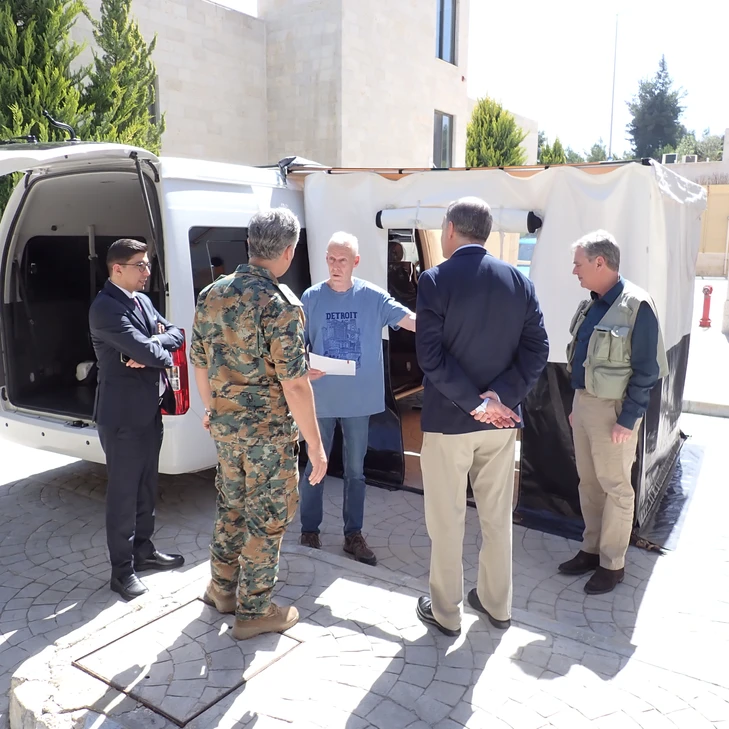
The importance of a multidisciplinary team in the rehabilitation of new amputees was highlighted in Geoff’s blog: Rehabilitation Starts at Time Zero. MASU, a mobile unit which will be deployed into Gaza within moments of a ceasefire, aims to deliver upper and lower limb prostheses with a team of Jordanian clinicians trained in fitting and rehabilitation. MASU will be delivering Upper Limb Prostheses from Koalaa Soft Prosthetics, which can be fitted in as little as 15 minutes, within days of an amputation. Yazan was also fitted with an Amparo Lower Limb socket, which can be fitted to the patient much faster than traditional leg sockets. 


Helping Amputees in Gaza

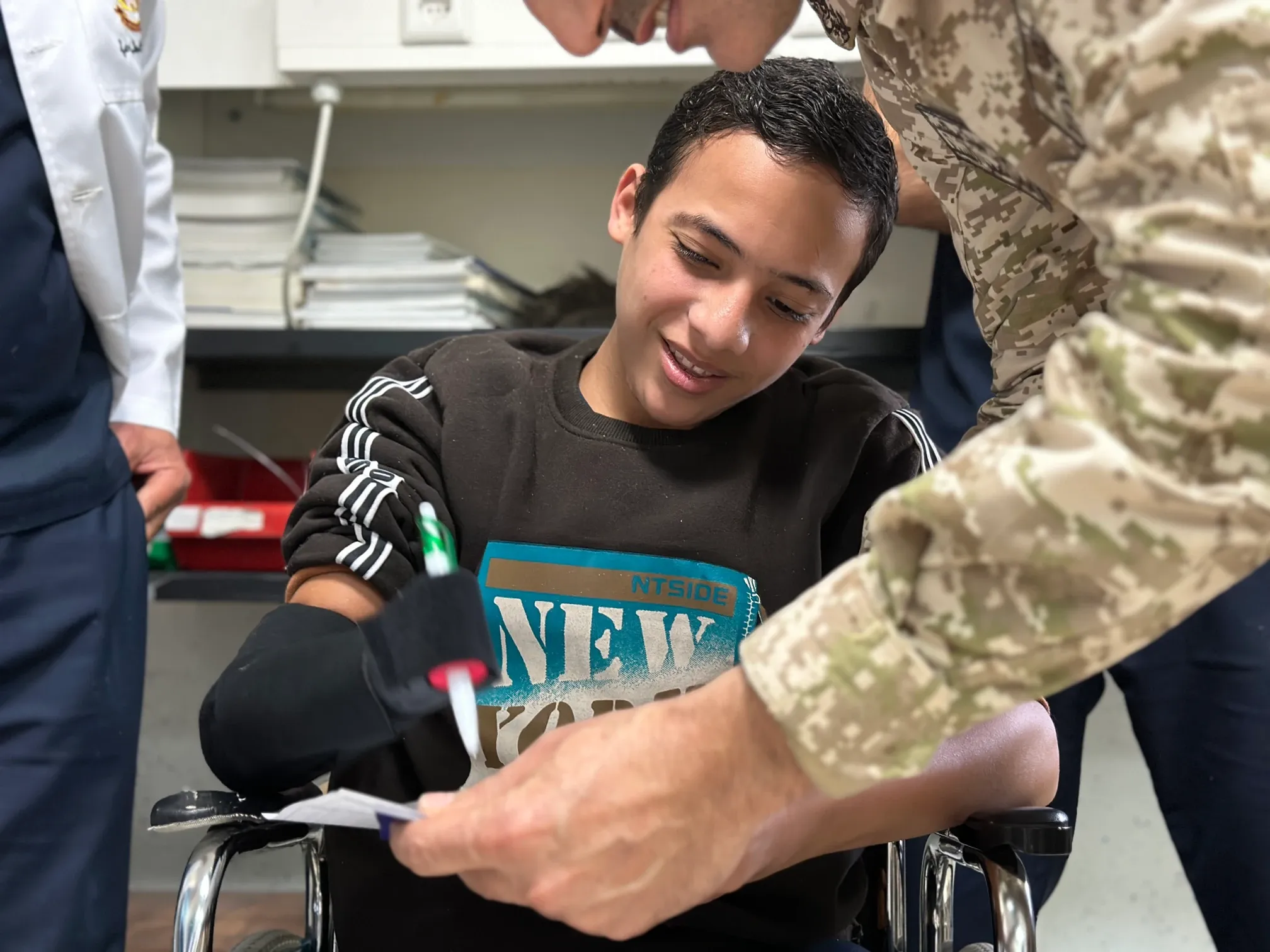
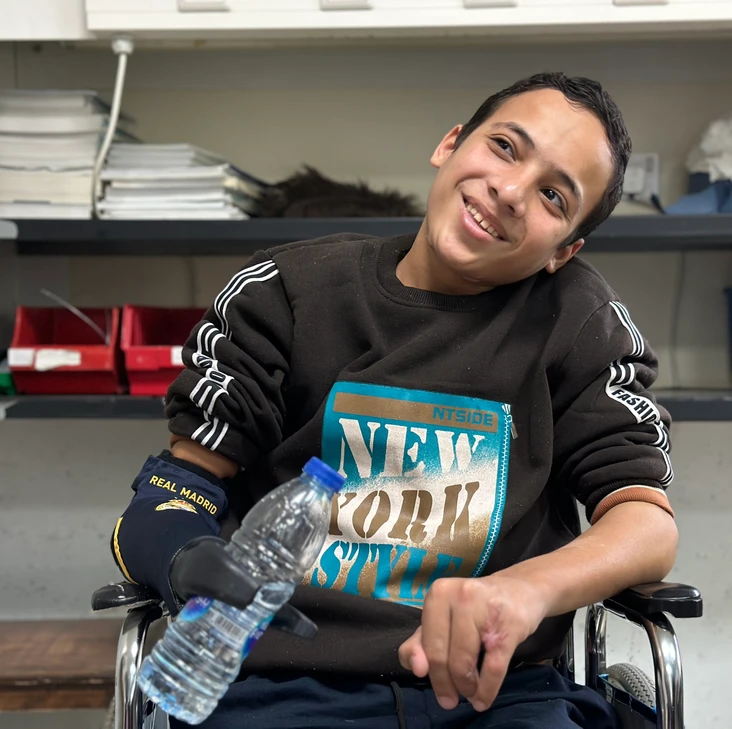
During the training of the MASU clinicians in Jordan, one of the significant cases they encountered was Yazan, age 13, an amputee from Gaza who lost three limbs when a bomb exploded near his home. The Jordanian military facilitated his transport to Jordan for medical treatment. Yazan lost one leg above the knee, one leg below the knee and one of his arms below the elbow. 


Advanced Prosthetics for Yazan

Yazan’s rehabilitation included fitting with several advanced prosthetic devices. At the National Centre for Amputee Rehabilitation, Koalaa provided him with a soft prosthetic arm and Amparo fitted him with a leg socket. Remarkably, within 24 hours of fitting, he was able to walk—an incredible achievement for a triple amputee. The essential combination of the Amparo leg socket and the Koalaa soft prosthetic made this possible by allowing him to manage his walking aid as he adapted to his new leg prosthetic. The Kitty Tool was used to wrap around the handle of the aid and support him when walking with two prosthetic legs.

His Koalaa prosthetic also enabled him to perform tasks many of us take for granted. With the help of the Janet Tool, a tool designed to hold a pen, Yazan wrote his name for the first time since his injury. Additionally, a different tool allowed him to grasp a water bottle, restoring a semblance of normality to his daily life. The clip-on tools are easy to use immediately with little to no training and allow amputees complete everyday tasks independently.

“The breakthrough is that Yazan can now take his first steps independently and swiftly. He quickly learns to support himself and take steps using the rollator, a feat made possible by the unique balance-maintaining feature of his Koalaa prosthesis. Typically, a lower-limb amputee must first stand within parallel bars to build strength and balance, then gradually progress to walking with a physiotherapist’s close supervision. For a triple amputee like Yazan, the functional design of his Koalaa prosthesis, which allows him to grip the rollator and maintain balance during training, not only boosts his confidence but also fosters rapid independence, enhancing his prospects for inclusion.

Prostheses will be a constant in his life, requiring regular replacement, particularly during growth phases. Rehabilitation is a challenging journey, yet with the Jordanian Military clinical team’s support, we are confident Yazan will achieve independence. Amparo and Koalaa are committed to supporting many others like Yazan in Gaza. Their innovative technology speeds up the production of transtibial and transradial prostheses, freeing professionals to focus more on new amputees and complex cases, which are prevalent in Gaza.” Commented Didier Cooreman, who used to be head of physical rehabilitation at ICRC.


A Personal Touch for Yazan

Knowing Yazan’s favourite football team is Real Madrid, Koalaa customised his prosthetic arm cover using a Real Madrid football jersey. As an enthusiast of the sport, Yazan particularly admires Real Madrid’s standout player, Vinícius Júnior. This addition not only personalised his prosthetic but also brought a smile to Yazan’s face.


Training Clinicians for the Future

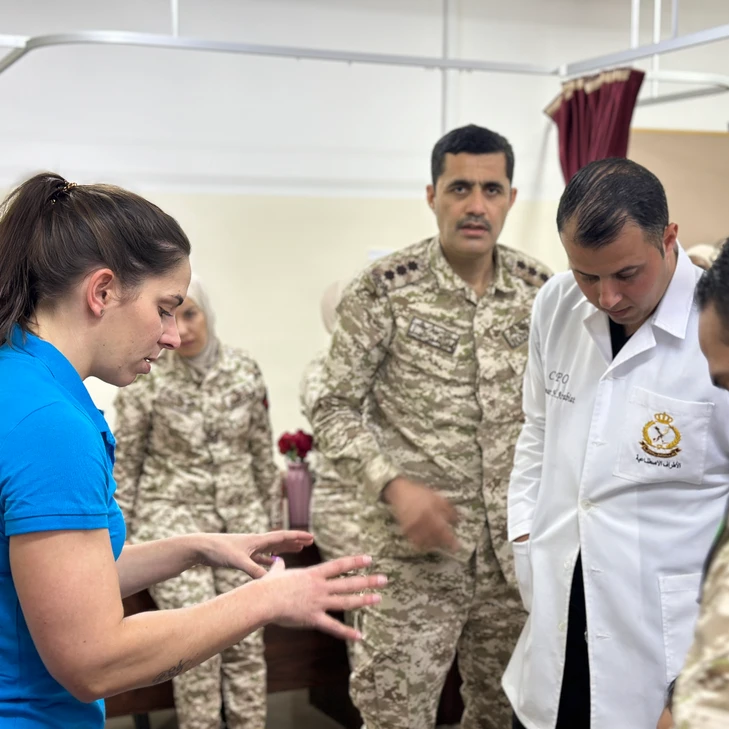
The clinicians trained by Koalaa and Amparo are now equipped with the knowledge and skills to support amputees in Gaza. They will operate from a mobile unit, providing essential prosthetic fittings and rehabilitation services when a ceasefire is called.

A Step Forward in Prosthetic Technology

This work in Jordan and Gaza highlights the significant advancements in prosthetic technology and the practical training required to implement these innovations effectively. By equipping local clinicians with the necessary skills, Koalaa and Amparo are ensuring sustained support for amputees in challenging environments.


This initiative exemplifies the practical application of advanced prosthetic solutions and the importance of training and collaboration in providing essential medical services.


Continue reading

Revolutionizing Accessibility and Patient Outcomes with Soft Prosthetics

Revolutionizing Accessibility and Patient Outcomes with Soft Prosthetics

Innovations in soft prosthetics are revolutionizing patient care by improving accessibility and outcomes for individuals with limb differences. This article explores the key factors driving these advancements and their impact on rehabilitation and accessibility.


Improving patient outcomes

One of the most important factors in patient outcomes is how closely different medical disciplines can work together in multi-disciplinary teams. The effectiveness of such multi-disciplinary teams is greatly improved if they can be co-located. A second factor is how quickly rehabilitation can occur. Dr. Geoff Watson highlighted this factor in his blog: https://www.lsngroup.org/post/bridging-healthcare-gaps-through-mobile-clinics-stepin-s-journey-from-iraq-to-ukraine

Geoff wrote of the importance of recognising that recovery should start from the moment a person is injured with rehabilitation pathways in place prior to injury

“Getting it Right First Time means resuscitation, life-saving interventions and early surgery have to be coordinated and planned before the trauma occurs; from the frontline to distant rehabilitation centres. That physical distance is also illustrative of the difference in the mindset of those fighting to save a life, to those seeking to help a survivor return with dignity and purpose to their families and communities”.


Building independence early

As Geoff wrote: “Building independence early is crucial in the rehabilitation journey of an amputee; leading to enhanced quality of life, increased self-esteem, smoother reintegration into society and a reduced burden on caregivers.

“The impact of an integrated recovery and rehabilitation programme is optimal only if it involves a multidisciplinary team including doctors, nurses, prosthetists, physical therapists, occupational therapists, and psychologists. Engaging friends and family early and integration of the pathway with joined-up thinking is key.”


What difference does the speed of fitting and adaptability of the prosthetic socket mean for amputee support services?

The simpler and more repeatable the process for fitting a new amputee with their first prosthesis, the greater the opportunities to start the rehabilitation process in settings other than traditional prosthetic clinics. We are therefore likely to see a trend towards a more distributed approach to amputee services, a model captured in this blog:

Crucially, these newly enabled processes will also tend to increase standardisation in patient experience and reduce variation in clinical practice. As Deming noted “variation is the enemy of quality”, so we should expect new pathways to be associated with an improvement in quality of care and therefore outcome.

In a humanitarian setting, we may see such services integrated with mobile models of healthcare in this blog:


Case studies and global insights

Crucially, prosthetics which are simpler and faster to fit, can transform the accessibility of prosthetic services. Traditional designs often require multiple visits to a clinic as well as access to specialist workshop facilities. New designs using soft prosthetics such as those of Koalaa can transform access.

This has been illustrated by ground-breaking programmes around the world. Project Limitless was launched in December 2020 in a private public partnership including a consortium of UK charities.

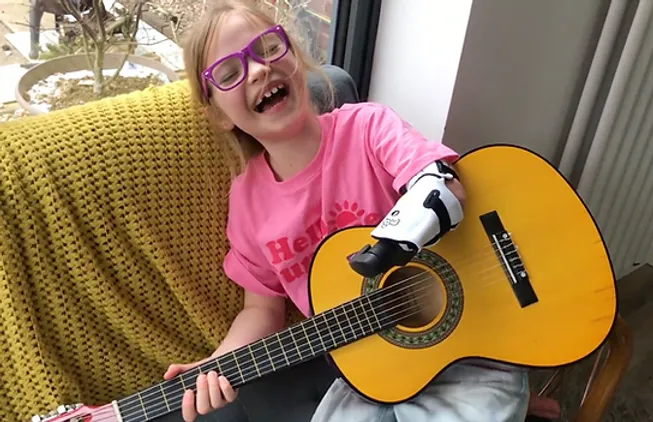
Project Limitless initially provided children aged 3-9 with a revolutionary new prosthetic technology; one that is easy to put on and take off, is light and soft to the touch and grows with the child adapting to their changing needs such as eating, riding a bike, playing an instrument and even surfing!


The approach avoided the need for hospital visits as the children received their new prosthetics through the post with online support for their parents, thereby taking pressure off the NHS at a time when access to clinics was severely restricted. Each child has also been provided with peer-to-peer support, with limb buddies guiding them through their journey every step of the way.

Project Limitless was hugely successful in its aims, rapidly getting prosthetic arms to over half the 3-9 year olds with an upper limb difference across the UK without any of them needing to visit a clinic. Wearer acceptance has been very high at over 90% and the ‘abandonment rate’ has been less than one-tenth of the 70% rate reported as normal by the NHS.

In 2021, it became apparent from requests received from parents, that Project Limitless needs to expand its remit – to increase our beneficiaries’ age range from age 3 – 9  to 3 – 18 in the UK enabling Project Limitless to help adolescents. The adolescent years are where new sporting activities, music and self-image all become crucial to development and mental wellbeing. The provision of a soft-shell prosthetic arm to young people in this category can enable them to take part in these and other activities, giving them more social contact and enhancing their self-confidence. Later in 2021 the scope was expanded again to also infants under the age of three.

The potential to fit high volumes of people effectively and efficiently was demonstrated in August 2021 at a LimbBo Foundation adventure day for children at Cawthorne Cricket Club in Yorkshire, England. A small Koalaa team successfully fitted prosthetic arms to over 30 new wearers in a morning, enabling all of them to have a go at playing cricket. This was all done in a temporary gazebo in the middle of the cricket field and without any access to power or water.

These pioneering approaches have been built on around the world:

Syria – The first mobile fitting was delivered from a car which then led to larger scale a programme for Syrian refugees.

To date close to 100 Syrian refugees have been fitted with Koalaa upper limb prostheses through Physicians Across Continents (PAC) clinics. One of the insights from this programme was that hands-on training delivered face-to-face was even more effective than online training. There was a noticeable step-up in wearer satisfaction scores after Koalaa visited Turkey to provide PAC teams with in-person training.

The next stage is to develop outreach programmes so that people who are not near a clinic and are in different regions can have access to prostheses.

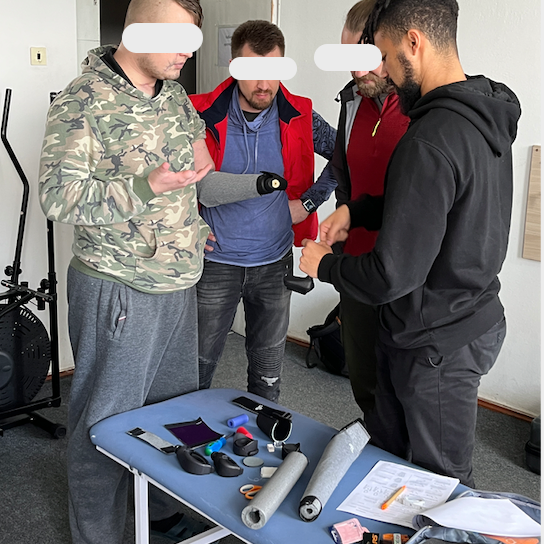
Ukraine– in Ukraine, a scoping visit by a multi-disciplinary team established proof of concept through a successful fitting of Dima, an Ukrainian soldier, swiftly followed up with a much larger programme through local partners. To date over 100 veterans have been fitted with Koalaa prostheses including several who have been able to start wearing a Day One sleeve immediately after amputation.

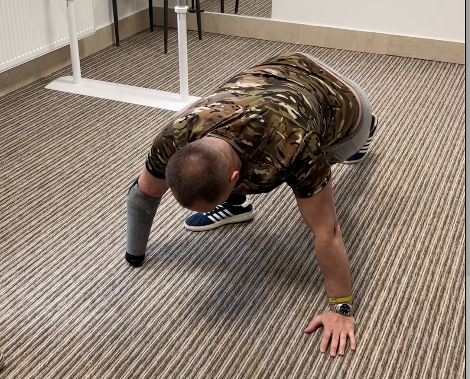
These ultra-soft sleeves go over dressings and cope with volume changes in the post-amputation period. Using these speeds up the time when the recovering veteran can move on to a heavier duty prosthesis, such as Koalaa’s ALX, and move on to full physical rehabilitation including upper body gym work.

Trial with H&I in Thailand/Cambodia – H&I are currently evaluating the clinical and cost-effectiveness of Koalaa prostheses after collaborative in person training in refugee camps in both Thailand and Cambodia. H&I staff were able to fit new wearers in less than 20 minutes each after the training session, including in non-clinical settings.

A Trial with ICRC in Lebanon – a face-to-face training session of ICRC clinicians in Beirut in September 2022 enabled ICRC to evaluate Koalaa prostheses in both Lebanon and Syria. As a consequencely, Koalaa soft prosthetics have now been added to the ICRC catalogue and supply chain and are available for use by all ICRC clinicians operating in 45 countries.

Sierra Leone – the majority of upper limb amputees in Sierra are unable to visit one of the four prosthetic clinics in the country due to cost or time constraints and, for those who do get to a clinic, there is frequently no prosthetic solution available. Koalaa has been working with the national health programme and has proven an innovative model that allows trained staff to visit amputee camps and fit prostheses from Koalaa kit bags, which about the size of a shoulder bag.


In conclusion, making prosthetic services more accessible is essential for improving the lives of individuals with limb differences, fostering a more inclusive society, reducing healthcare costs. Koalaa innovative soft-shell prosthetics illustrate how this can be done.


Continue reading

Shaping the Future of Amputee Care: Innovation and Accessibility in Prosthetic Services

Shaping the Future of Amputee Care: Innovation and Accessibility in Prosthetic Services

How will the care needs of amputees be met differently in future?


This was a question posed by Prosthetics visionaries Alan and Christopher Hutchison, founders of the ProsFit company. They recognised that the traditional approach to amputee support is simply not cost-effective enough to be scalable, the investment in bricks and mortar clinics is too capital-intensive and this clinic-centred model makes it very hard for patients living in remote locations to receive timely follow-up if there are any complications. The clinic-centred model puts the onus on the amputee to travel to the clinic. This may work well with good, accessible AND affordable public transport. However it can be a costly model for the amputee, and also to the clinic if appointments are missed for whatever reason.


One has a very different view of clinic-centric service if one takes an amputee-centred approach. Christopher Hutchison came to this field not as a medical professional, but as an amputee.


Christopher became an amputee when he was 17 in a traumatic accident. In 2021 Christopher Hutchison was invited to give the International Confederation of Amputee Associations (IC2A) Inspirational Lecture “Prosthetics for All – Changing Lives through Digital Technologies” at the 18th World Congress of the International Society for Prosthetics and Orthotics (WIPO). In this lecture, he highlighted both the scope of the challenge now.

And the reason why the need for innovation is so vital.

And how innovations, particularly involving digital technologies are opening up new opportunities, for making prosthetics both more accessible and affordable.

Often ‘necessity can be the mother of invention’. 

The Covid 19 Pandemic with social distancing measures and restricted access to some prosthetics services led to a range of innovative initiatives that included.  Project Limitless

brought together a consortium of amputee support charities and businesses in the UK to create a scheme to that provided universal access to self-fitting soft prosthetic devices for limb-different children.

Alan and Christopher Hutchison began to envisage how the healthcare delivery ecosystem may look different after the lockdown, and if already expected changes would accelerate. They tested these ideas with the wider community through a poll exploring how “the current pandemic might lead to a New Normal in healthcare delivery”. They wanted to explore questions such as “How the needs of amputees will be met differently going forward?”, with options being “Home Visits”, “Telehealth Consultations”, “Mobile Clinic Services”, and “Other”.

An analysis of the responses by participant profile and region showed that participants from outside the prosthetics industry, especially in Europe, expect more use of Mobile Units & Telehealth, and participants in the Americas felt that service provision would be complemented more strongly by Community Service Points and Home Visits.

The feedback and comments during the process, gave clear perspectives on how participants believe prosthetics provision will change, although there were differences of opinion about how and how fast this will happen.


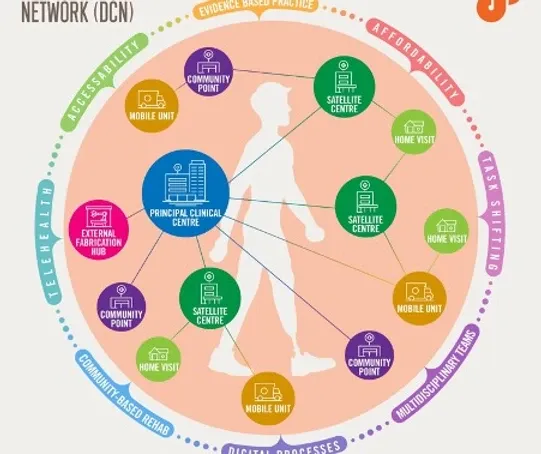
Distributed Care Networks

There was a good consensus that amputee care services will ultimately be delivered through Distributed Care Networks (DCNs), each comprising a Principal Clinical Centre, with a network of linked Satellite Centres, mainly in urban areas. These will be complemented in more remote areas by Community Service Points and Mobile Units.


Alan and Christopher Hutchison envisaged that Community-Based Rehabilitation (CBR), including approved Home Visits, would increasingly be adopted where local healthcare professionals and rehabilitation specialists see this to be the best course of action.

How integrated service providers configure their DCN will depend on population dispersion, and how best to construct the “last mile” to most effectively serve the needs of amputees using available expertise, resources, infrastructure and technologies.

Efficiency will be gained the through use of telehealth and telerehab approaches to facilitate patient-specialist communication and make dispersed knowledge, expertise, clinical decision-making and personalised services accessible at the point of care. Patients who continue to attend existing urban centres will use a growing number of specialised transportation providers.

The key drivers of DCNs are:

·      the demands from both users and payers for accessibility and affordability

·      the need to effectively leverage available professional resources, knowledge, skills, and expertise

·      the increasing availability of digital technology solutions, and acceptance of new business models.

In the evolution of DCNs, Alan and Christopher envisaged changes in what is being done, why, how, when, where and by whom. They imagined new efficient value chains that could source and deliver products and services in a cost-effective, efficient and timely manner.

As the DCNs focus on patient-centred care, they might outsource manufacturing and delivery to owned or sub-contracted external fabrication hubs. There are likely to be multi-disciplinary teams interacting with the users in a well-synchronised way, especially in the front line, with task shifting being used to leverage well-trained specialists, enabling them to be more productive.

This is only possible through several simultaneous advances, highlighting the importance of a systems perspective. Typically people overestimate the speed and impact of adopting new technologies and practices and underestimate the long-term cumulative impact.

We have focussed below, on a number of practical examples and emerging trends that could play pivotal roles in shaping the future of prosthetics provision, and the evolution of distributed care networks (DCNs).

1. Telehealth and Telerehabilitation

Telehealth consultations have already seen a significant uptick due to the pandemic. For amputees, this could mean more sophisticated virtual assessments, where prosthetists and therapists use high-definition video calls and specialized software to evaluate the fit and function of prosthetics remotely.

For instance, the use of AR (Augmented Reality) technology can help in the remote fitting and customization of prosthetic limbs, allowing practitioners to overlay digital images onto the physical world for precise measurements and adjustments. However such a digital based approach might be left redundant by the growing adoption of remoldable sockets like Amparo which enable a near perfect fit in a single session – in a material that can be quickly modified allowing better and quicker patient follow up and care.

2. Wearable Technology and Sensors

The integration of wearable sensors in prosthetics can provide continuous feedback on the user’s movement patterns, prosthetic fit, and even the health of the residual limb. This data can be monitored remotely by healthcare providers, enabling timely adjustments without the need for physical visits. For example, smart prosthetics equipped with IoT (Internet of Things) capabilities can send real-time data to clinicians, who can then analyse this information to improve the comfort and functionality of the prosthetic limb.

This could be particularly significant in low resource settings were remote experts can monitor the work of the teams on the ground, mentoring them and alerting them if the analytics suggest the patient may be struggling with using their prosthetics effectively.

3. 3D Printing and Mobile Fabrication Units

3D printing technology has the potential to revolutionize prosthetics manufacturing, making it faster, more customizable, and accessible. Mobile fabrication units equipped with 3D printers could bring this capability directly to communities, reducing wait times for prosthetics and allowing for on-the-spot adjustments. This approach can be especially beneficial in remote areas or disaster zones where access to traditional prosthetic services is limited.

However there may be other solutions that offer quick fitting and easy adjustment such as Koalaa’s soft prosthetics.

4. Community-Based Rehabilitation (CBR) and Peer Support

Expanding on the concept of CBR, peer support networks facilitated by technology can play a crucial role in the rehabilitation process. Online platforms and mobile apps can connect amputees with peers for emotional support, advice, and sharing of resources. We have explored this in the context of peer to peer support in Ukraine.


Continue reading

Bridging Healthcare Gaps through Mobile Clinics: Step In’s Journey from Iraq to Ukraine

Bridging Healthcare Gaps through Mobile Clinics: Step In’s Journey from Iraq to Ukraine

This is a story not just about the crucial role that Mobile clinics are playing in the liberated areas in Ukraine, but also the story of its founders who created the organisation, learning from other organisations and adapting to the challenges of working first in Iraq and then in Ukraine.


The founding of STEP IN

STEP IN was co-founded by Zuzana Ulman, a physician from the infectious diseases department in the Czech Republic. Zuzana was deeply moved by the destruction and suffering caused by the emergence of ISIS in the Middle East. This led her to volunteer for three months with Church in Need.

Inspired by her experiences and the support of Professor Vladimír Krčméry, a renowned Slovak doctor and scientist, Zuzana launched STEP IN over eight years ago. Initially, it started as a project of Saint Elizabeth University and later became an independent organization.


STEP IN’s journey began in Iraq, where they provided primary healthcare through mobile clinics.

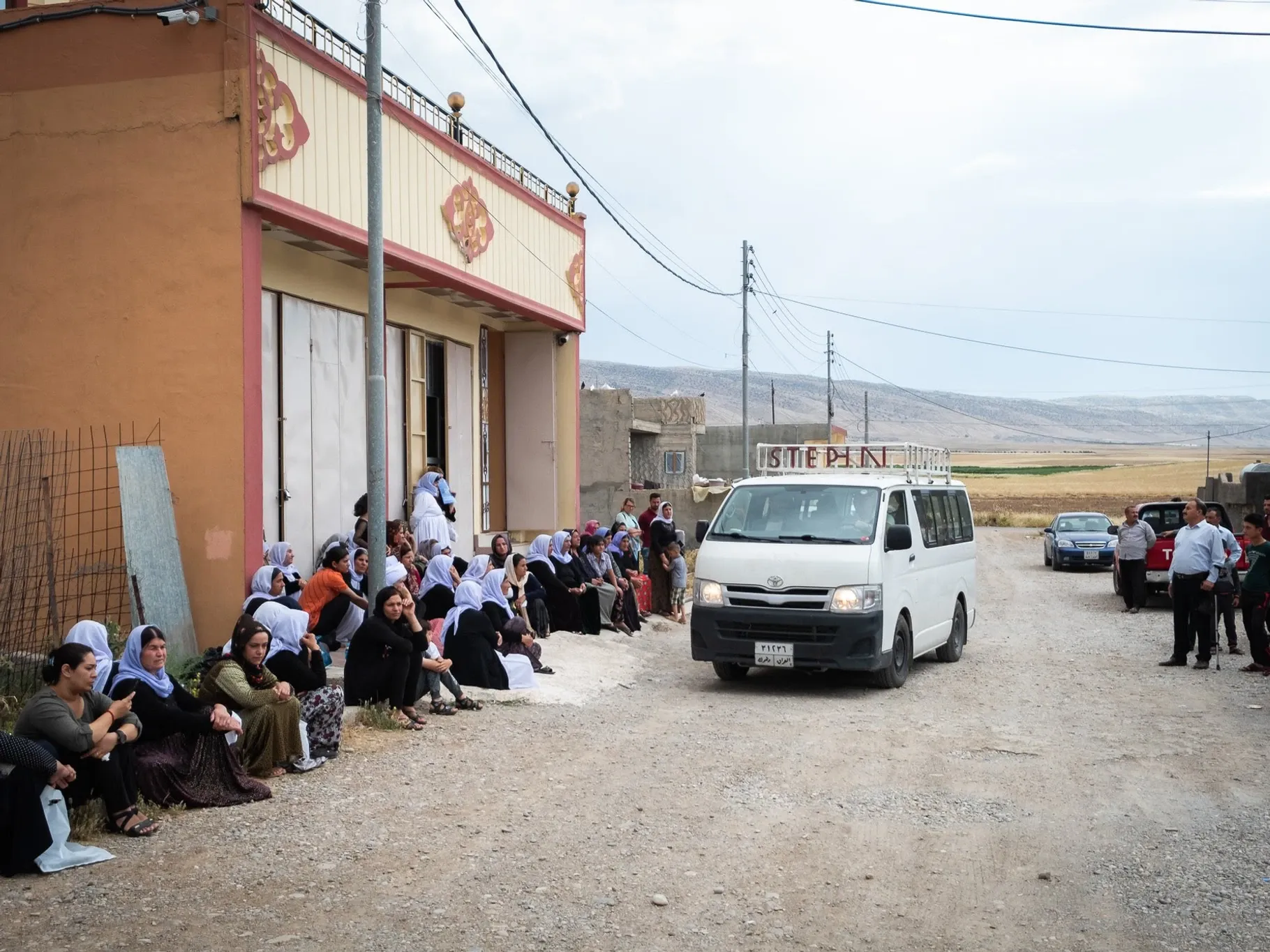
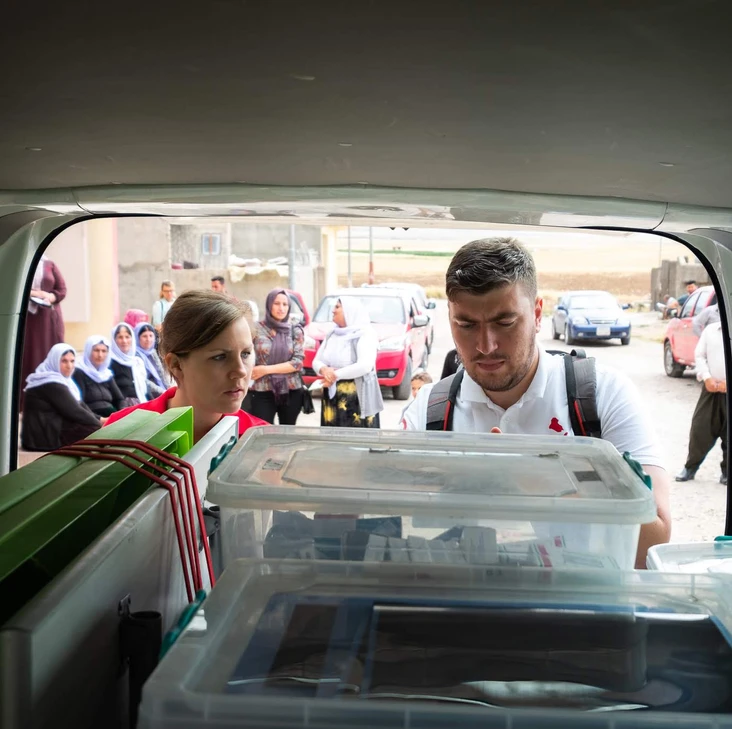
These mobile clinics visited villages that had found themselves cut off from healthcare centres. Mobile clinics, involving teams of 5-8 people agile enough to work in areas where healthcare services had broken down – or where the physicians that had served those communities had fled. The vehicles needed to be compact and small enough so they could get through to hard-to-reach communities, and where supplies could be offloaded at night to keep them safe and properly stored.

Stationary clinics were set up to serve camps for internally displaced people. Over six years, STEP IN treated over 150,000 patients, employed over a hundred individuals, and trained an even larger number of healthcare professionals and civilians in delivering life-saving aid.

During its healthcare operations in Iraq, STEP IN began to recruit more and more Ukrainians. After the full-scale invasion of Ukraine on February 24, 2022, STEP IN began operating in Ukraine working with its own team members back in their own country, as they built on their expertise: mobile clinics and training programs to build local capacity in critical skills. The map below shows the scope of their work in Ukraine and the essential role of mobile clinics in the areas close to the front line.


STEP IN’s co-founders, Zuzana and her husband Przemek, along with Matej Palencar, have always prioritized the quality of their services.


They have managed to grow STEP IN into an organization able to deliver a growing range of health-related services, meet the requirements of an increasing number of donors, and train its own staff so they grow personally and professionally, while at the same time retaining a patient centric approach and family-like team spirit, something which is often associated with new humanitarian initiatives, and harder to sustain in larger institutions.

STEP IN has built partnerships and gained trust and funds of donors including governments of Slovakia, Poland, United States, Belgium, and Italy. Currently, their biggest source of funding in Ukraine is the Japan Platform, which is partially funded by their government. Other institutional donors include Knights of Columbus.


Lessons from STEP IN’s Mobile Clinics

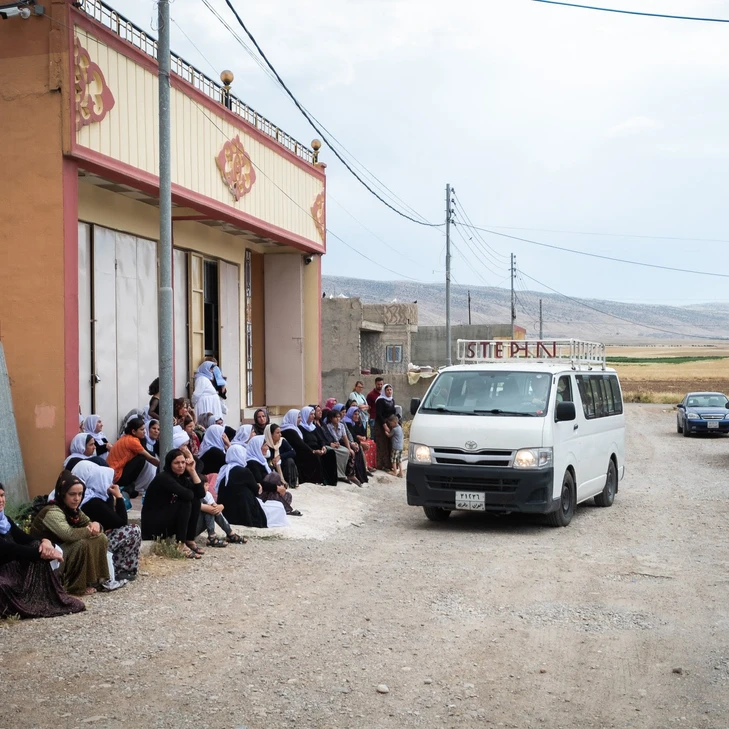
STEP IN’s mobile clinics have been a beacon of hope in regions devastated by conflict, from Iraq to Ukraine. Mobile clinics in Ukraine use roughly the same approach as that developed in Iraq. A small team travels in a normal vehicle (a minibus or even an SUV, instead of a 5-tonne “proper” mobile clinic) carrying everything they need, neatly packed. One upgrade, forced by the circumstances, is that they now also have tents, which we can set up quickly in locations where there is no facility to accommodate our team. Their experience from Iraq to Ukraine offers valuable lessons on agility, resilience, the power of community-centred healthcare and constant adaptation.


Agility in Healthcare Delivery

STEP IN’s mobile clinics exemplify agility in healthcare delivery. They operate in areas where healthcare services have broken down, reaching communities that would otherwise be left behind. The compact and small vehicles can navigate through challenging terrains, ensuring that medical aid reaches the most remote and hard-to-reach communities.

Picture of a mobile clinic in the liberated areas of Ukraine

The agility of these mobile clinics also extends to their operational model. They can swiftly adapt to changing circumstances and shifting needs, ensuring that healthcare services are always delivered where they are most needed. This agility has proven to be crucial in conflict-ridden regions like Iraq and Ukraine, where the healthcare landscape can change rapidly and unpredictably.


Cost-Effective Healthcare Solutions

Mobile clinics often provide a particularly cost-effective solution to healthcare delivery in regions where traditional healthcare facilities have been destroyed. They require minimal infrastructure and their operational costs are significantly lower than rebuilding or maintaining brick-and-mortar facilities serving smaller communities. This cost-effectiveness allows organizations like STEP IN to deliver essential healthcare services to communities in need, even in the face of limited resources.


Beyond Basic Health Services

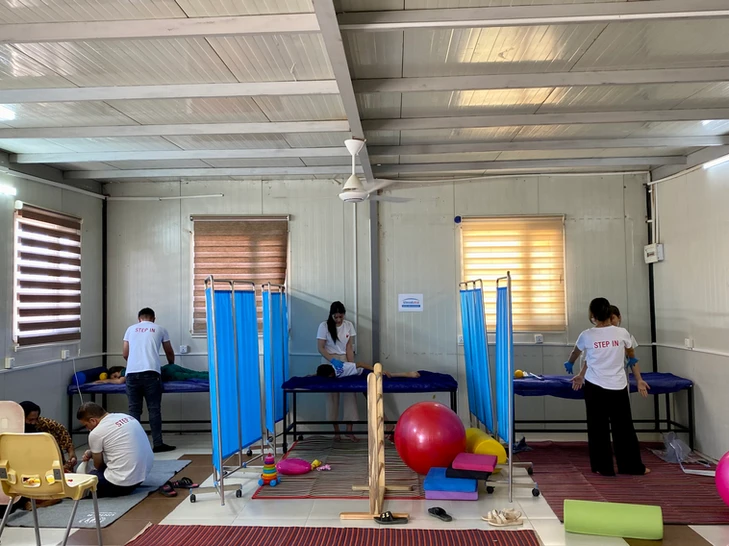
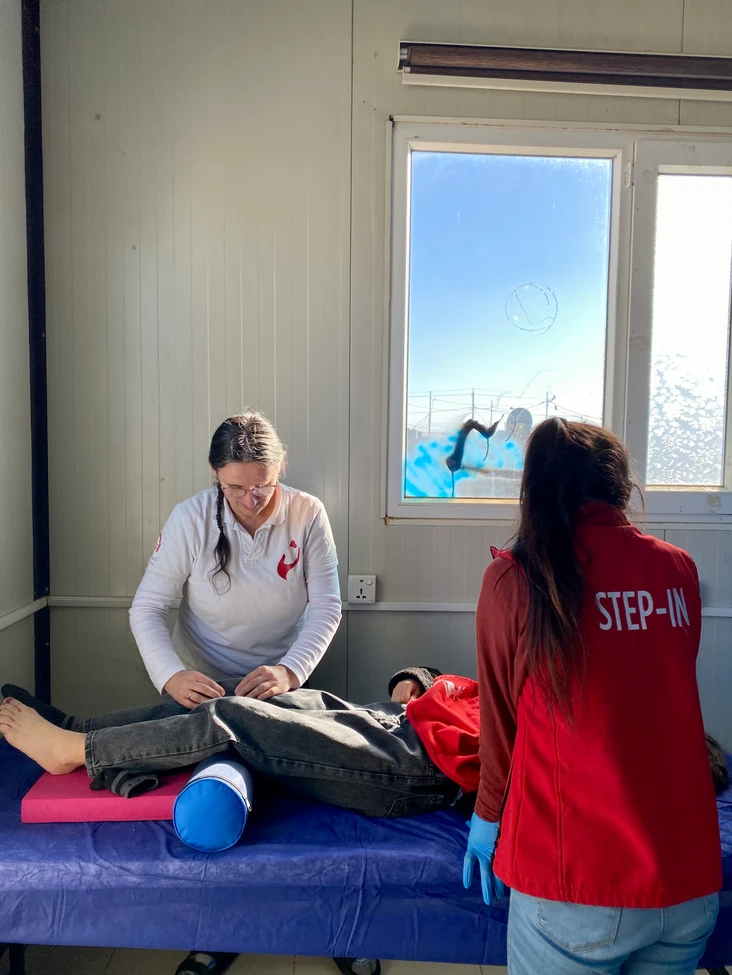
STEP IN’s mobile clinics go beyond providing basic health services. They serve as platforms for specialized care, addressing critical gaps left by destroyed hospitals. For instance, they provide support for amputees, offering prosthetic fittings, physiotherapy, and emotional support. They can also be used to support mental health services, providing counselling, trauma-informed care, and coping strategies to individuals suffering from PTSD, anxiety, and depression.

Building Local Capacity

STEP IN’s work is not just about delivering healthcare services; it’s also about building local capacity. They train local healthcare professionals and civilians in delivering life-saving aid, ensuring that communities are equipped to take care of their own health needs. This focus on capacity building ensures the sustainability of their interventions and empowers communities to take charge of their own health.

Leveraging Technology

STEP IN leverages technology to enhance their healthcare delivery. They use Starlink to stay connected even in the most challenging circumstances, ensuring that they can keep working and monitor security developments. They also use telehealth to bridge geographical gaps, connecting patients with specialists miles away.


Conclusion and relevance to the crisis in Gaza

STEP IN’s mobile clinics offer valuable lessons on delivering healthcare in conflict-ridden regions. Their agility, cost-effectiveness, focus on specialized care, commitment to capacity building, and effective use of technology all contribute to their success in bridging healthcare gaps. Their work serves as a powerful reminder that even in the face of adversity, it is possible to deliver compassionate, high-quality healthcare to those who need it most, and potentially serves as a model for how health services could be rapidly deployed in Gaza following a truce or ceasefire.

Step-In’s work has been supported by a charitable donation from Sir Tim Rice with the additional support of the Guildford Chantries Rotary Club.


Continue reading

A public health approach to trauma and mental health

A public health approach to trauma and mental health

A public health approach to mental health during war is crucial as it addresses the widespread psychological impact across various societal groups, from victims of torture to veterans; and grieving families including children and widows.

By integrating mental health care into broader systems and emphasizing community-based support, this strategy ensures accessibility and destigmatizes seeking help. Policies developed under this framework can significantly aid immediate relief efforts and contribute to long-term recovery by fostering resilience, economic stability, and social cohesion.
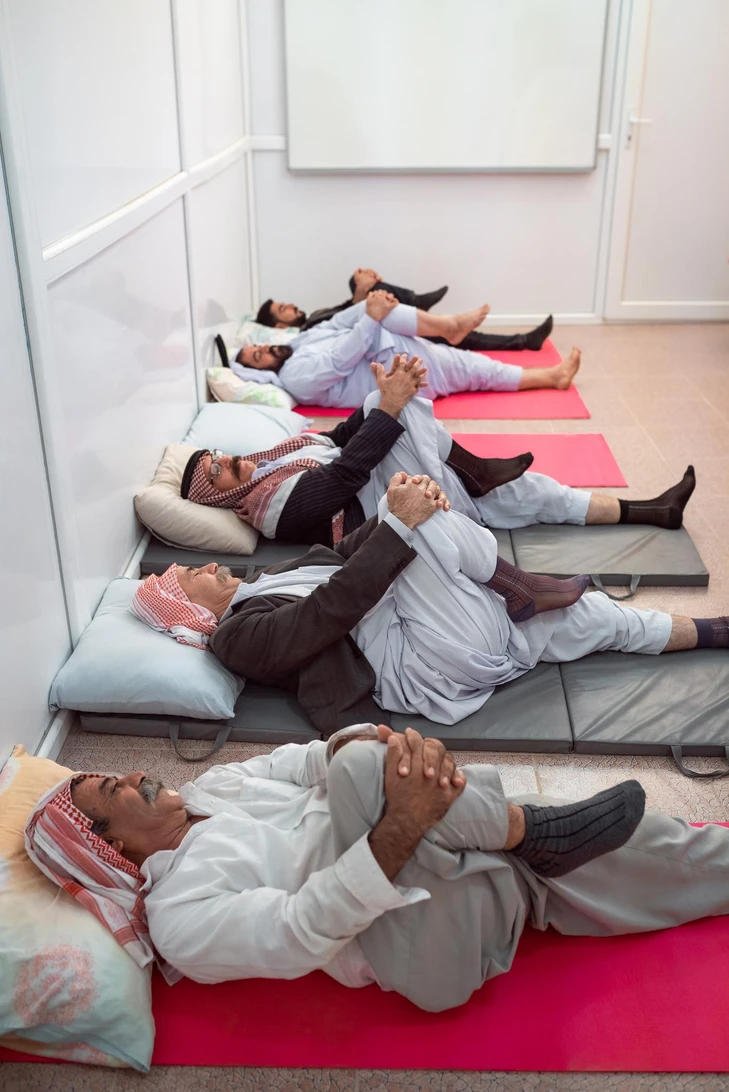
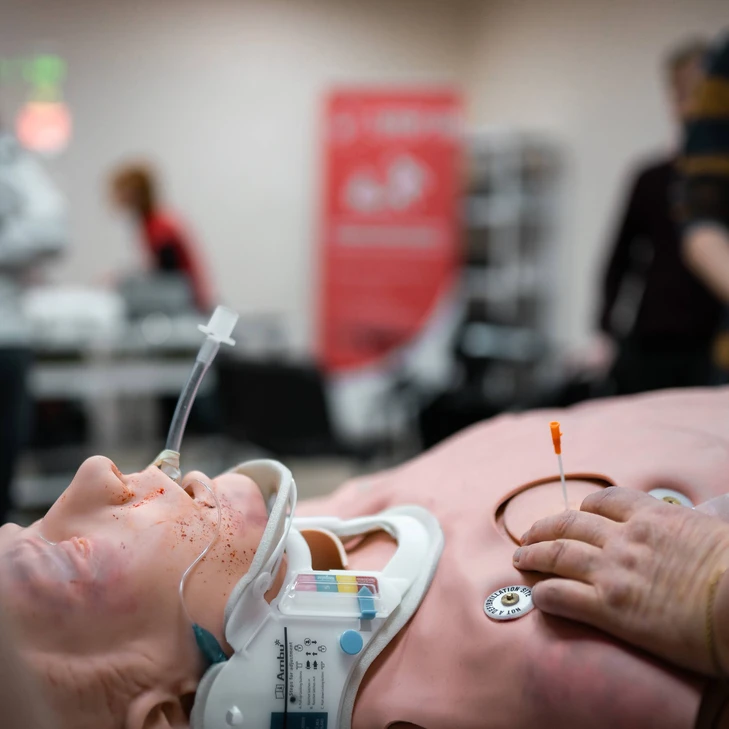
Tailoring interventions to meet the diverse needs within a population, especially in a war-torn country, involves recognizing the unique contributions and challenges of groups like veterans, widows, priests, and teachers, facilitating a more inclusive and effective mental health environment.

Engaging these groups not only leverages their community influence but also addresses their specific mental health needs, strengthening the overall societal fabric against the backdrop of conflict and its aftermath. This article explores these challenges in more detail.


In a country at war

In a country at war, the pervasive impact on mental health across all societal groups—disabled veterans, families of soldiers, widows, those grieving, and children—necessitates a comprehensive public health approach to mental health care.

However international guidelines do not address the constraints of providing such services at a time of war, where constraints on resources are even greater, people are displaced, and communities often dispersed. On top of that,data may be closed or simply misleading because of the inability to accurately record cases and be transparent about needs.

Such an approach ensures that interventions are not only widespread but also tailored to meet the diverse needs of these affected groups. It recognizes that the trauma and stress experienced are not isolated to the battlefield but permeate families and communities, requiring solutions that address both individual and collective healing.

A public health approach to mental health is also important when mental health services are so stretched and there simply are not enough trained counsellors and psychiatrists to meet the needs. The holistic nature of public health strategies allows for the integration of mental health care into existing systems, making it more accessible to those in need. For example, by training teachers, clergy, and community leaders in basic mental health support, societies can create a network of first responders who can offer immediate support and direct individuals to professional care. Groups such as teachers are in a strong position to reach another vulnerable group – children. This strategy also plays a crucial role in destigmatizing mental health issues thus encouraging more people to seek help. Moreover, a public health approach facilitates the implementation of policies that protect and promote mental well-being, even in the midst of conflict. The stress of war trauma can be a trigger for chronic diseases including dementia and cardiovascular diseases, and so the impact of early intervention / mental health support can be a highly cost-efficient use of resources. Prioritizing mental health not only aids in the immediate crisis but also lays the groundwork for long-term recovery and stability, ensuring that the scars of war do not permanently hinder the societal and individual potential for growth and peace.

What are the characteristics of a public health-based approach to mental health? Traditionally a public health-based approach to mental health encompasses:

  1. Prevention Strategies: Implementing programs to prevent the onset of mental health issues, such as community education, promoting resilience, and early intervention tactics. A specific priority at the moment is suicide prevention and the bereavement it causes.

  2. Population-Wide Policies: Developing policies and regulations that create a supportive environment for mental health, like reducing stigma and ensuring access to mental health resources for all segments of the population.    

  3. Community Engagement: Engaging community resources, including schools,     workplaces, and religious organizations, to create a supportive network for mental well-being.      

  4. Integrated Healthcare: Incorporating mental health services into the broader healthcare system to ensure holistic care, including physical and mental health.

  5. Data and Research: Utilizing data to understand the extent of mental health issues, identify at-risk populations, and measure the effectiveness of interventions.


The challenge of data and evaluation

However in the case of a country at war, there is very little data because of the need for secrecy and security, and the situation can change very quickly, hence the need for critical review and understanding of the context in which the data was collected. A further complication is the very different needs of groups within the population and the ways they can be reached. Examples of different groups include veterans, widows, priests, and teachers. Case studies can be used for qualitative research and can be used as blueprints for sharing with other organisations and in different regions of the country.


The Churches – their unique role and burden

As community leaders, priests can be key in reducing stigma around mental health. Training programs can equip them with the skills to offer basic psychological support and guide individuals to professional help.

  1. Providing Emotional and Spiritual Support: They can offer counselling and spiritual guidance to individuals struggling with the emotional aftermath of conflict. This support can be crucial for healing and coping with grief, loss, and trauma.

  2. Promoting Reconciliation and Forgiveness: Religious leaders often advocate for forgiveness and reconciliation, which ultimately are essential for healing divisions within communities. They can facilitate dialogues and peace-building activities, helping individuals and groups to understand and empathize with each other’s experiences and perspectives.

  3. Offering Practical Assistance: In many cases, churches or religious organizations provide essential services such as food, shelter, and medical aid to those affected by conflict. Priests and pastors can mobilize resources and coordinate efforts to meet these physical needs.

  4. Advocating for Justice and Peace: They can play a role in advocating for justice and human rights, ensuring that the root causes of the conflict are addressed, as well as the importance of the documentation of war crimes

  5. Creating Safe Spaces for Healing: Churches and religious gatherings can serve as safe spaces where individuals can share their experiences, express their emotions, and find community support. These spaces can be vital for the psychological healing process. We have explored this in blog: https://www.lsngroup.org/post/healing-together-the-impact-of-peer-support-groups-in-war-torn-ukraine

  6. Educational Roles: They can educate their congregations about the importance of the nature of trauma and the changes it can induce. This is something we have explored in an earlier webinar https://www.lsngroup.org/post/nurturing-recovery-purpose-and-growth-amidst-trauma-and-adversity

  7. Building Community Resilience: By fostering a sense of community and belonging, religious leaders can help build resilience against future conflicts. This involves nurturing strong, supportive networks within the community.

  8. Spiritual Leadership and Hope: Finally, as spiritual leaders, priests and pastors provide hope and a sense of purpose, which can be particularly important in times of despair and uncertainty following conflict.

Priests and pastors have traditionally played an important role in supporting communities affected by the trauma of conflict recognising that they tend to be embedded throughout local communities be they urban or rural, understand the local context and have a trusted role.

However sometimes the expectations placed on them can be huge and beyond anything their experience or training has prepared them for. This is illustrated by Pastor Sasha’s story.

‘I am a pastor based in Kyiv and I experienced the full horror of the Russian attack on the city. In particular, I was heavily involved in providing assistance to the people living in Irpin and Bucha, towns that were the centre of sustained fighting and Russian occupation. Both towns have become notorious for the torture and brutality shown by the Russians.

As a pastor I experienced the full impact of the distress caused by the Russian attack and occupation. For weeks I was attending to men, women and children who had been brutalised by the Russians in horrific ways. Many people were completely trumatised. As a pastor I had never experienced anything like this and it was hard to know what to do. The sheer scale of the violence and harm done to people – old and young, men, women and children – was something utterly unimaginable. Even now, two years later, I am personally traumatised by the suffering that I saw.

What also upset me greatly was my inability to do more to help the people suffering. Nothing had prepared me for this horrendous experience and I felt powerless to help. This was a terrible thing to experience. As a pastor, people turn to me for comfort, counselling and advice but in the aftermath of Irpin and Bucha I felt under-prepared and unable to provide the help so badly required.

I would love to have specific training to help people traumatised by war and therefore be able to provide help to recover from the mental trauma caused. However, I am sure that some specific training is necessary together with access to professional psychologists to advise and help in extreme cases. Also, I am more than aware of the mental toll that helping people traumatised causes. So, it would also be important for pastors, like me, to have access to psychologists to help with our own mental wellbeing.’

Pastor Sasha’experience raises a number of questions:

  • How then priests and pastors be better supported?

  • How can priests and pastors be trained to recognize and treat PTSD?

  • What training materials such as videos, and support services such as access to immediate assistance from qualified psychologists can be made available?

  • And what can be learnt from existing initiatives?

These are all questions that the forum have begun to explore.

What might a support service for the churches look like?

Peer-based groups have a natural understanding of the dynamics and culture of each group. By addressing the specific needs of these groups and fostering inter-group support, a more inclusive and effective mental health environment can be created. This is illustrated in the challenges the churches face in supporting their priests and pastors, as well as their communities – be they in Ukraine, those who have been displaced from their communities or those who have left the country and are now part of the wider diaspora.

Tapping into insights from veterans’ organisations around the world

One group which has been the focus of mental health support are veterans. Veterans organisations in the US and UK have been at the forefront of setting up community-based mental health programs addressing trauma, reintegration, and community support. These programs often emphasize peer support, leveraging shared experiences to foster understanding and healing. Training for resilience and coping strategies, as well as advocacy for policy changes to improve access to mental health services, are also key components.

For example, Supporting Wounded Veterans (SWV) in the UK offers a comprehensive approach to assist veterans with physical or mental injuries through various programs designed to enhance their recovery and reintegration into society.


The SWV mental health resilience programme shows the diverse needs of veterans requiring mental health support, providing options beyond a “one size fits all” model. It encourages veterans to engage in Sports Habilitation or Pain Management Pathways as a first step, leading to further support tailored to their specific needs​​. After completing the initial programs, veterans are invited to participate in these pathways, offering guidance and support for finding fulfilling careers and reintegrating into society​​. Emotional Freedom Technique (EFT) is provided to their veterans with PTSD, pain, and other mental health difficulties who have participated in a SWV program. These EFT sessions are non-invasive and do not require detailed revisiting of trauma and aim to help veterans cope with anxiety, depression, PTSD, and chronic pain​​.

A common challenge with support for veterans is ensuring early intervention. Mental health needs are often overlooked in acute phase of trauma as the focus tends to be on life support. The evidence demonstrates how cost-effective early interventions can be, potentially transforming long-term outcomes as explored in this blog ‘Rehabilitation starts at time zero’ https://www.lsngroup.org/post/rehabilitation-starts-at-time-zero. However, it is often challenging to influence policy and practice early in the care pathway when resources are often under the greatest time pressure.  

Moe Kolo – a case study in peer-to-peer support

Another initiative which we have documented is Moe Kolo, a project based in Lviv that provides support groups for Ukrainians coping with the psychological impact of war.


Led by a team of mental health experts, Moe Kolo blends the expertise of professionals with the power of shared experience. In a support group, the isolation and loneliness that often accompany trauma can be replaced by a sense of belonging and shared humanity. The team of psychologists incorporate evidence-based practices, teaching participants practical tools and techniques for managing stress, anxiety, and other symptoms of trauma.

Moe Kolo’s approach relies on a peer support model, with moderated group sessions focusing on specific issues. They initially targeted families of fallen soldiers, people with life-changing injuries, and refugees, but expanded to address anxiety, depression, and suicide among the general population. A recent workshop on PTSD attracted a very large number of registrations, indicating a significant demand for education about mental health issues. The three key issues they addressed include the scale of the problem, cultural resistance to online therapy, and geographical inaccessibility.

Peer-to-peer support groups like Moe Kolo are more than just a source of comfort and connection; they are a lifeline for individuals and communities grappling with the trauma of war. By providing a safe space for sharing, learning, and healing, these groups play a critical role in rebuilding lives and communities shattered by conflict. For a profile of Moe Kolo see https://www.lsngroup.org/post/healing-together-the-impact-of-peer-support-groups-in-war-torn-ukraine


Widows, Lagarta and the authenticity of the lived experience

Widows often face unique psychological and social challenges. Lagarta was set up by a widow and psychotherapist to provide support for other widows – with services rooted in her own experience. Lagarta’s focus is on providing widows with grief counselling, financial support, and community integration programs.


Conclusion

Addressing mental health in post-conflict societies is crucial for ensuring long-term stability and recovery, as it aids in healing trauma, prevents violence escalation, supports reintegration, boosts economic recovery, fosters social cohesion, lightens healthcare systems’ load, and strengthens societal institutions. By tackling these challenges, mental health initiatives contribute significantly to rebuilding the social fabric and promoting a sustainable, peaceful future for communities affected by conflict.

In conclusion, a public health approach to mental health in war-torn environments is imperative for addressing the multifaceted psychological impacts on diverse societal groups. By integrating care into broader systems and fostering community-based support, such strategies enhance accessibility, reduce stigma, and promote resilience. This approach, focusing on prevention, widespread policies, and community engagement, lays the foundation for both immediate relief and sustainable recovery. It underscores the importance of adapting interventions to meet varied needs, ultimately contributing to a society’s long-term stability and growth post-conflict. This holistic and inclusive method not only addresses immediate mental health needs but also rebuilds the social fabric, ensuring a future where communities can thrive despite the scars of war.


Continue reading

Healing Together: The Impact of Peer Support Groups in War-Torn Ukraine

The war in Ukraine has cast a long shadow over the lives of its people. The constant threat of violence, displacement, and loss has taken a heavy toll on mental health, leaving many struggling with the invisible wounds of trauma. In the face of this immense suffering, peer-to-peer support groups have emerged as a beacon of hope, offering a vital space for Ukrainians to connect, share their experiences, and find solace in collective healing.

One such initiative is Moe Kolo, a project based in Lviv that provides support groups for Ukrainians coping with the psychological impact of war. Led by a team of mental health experts, Moe Kolo blends the expertise of professionals with the power of shared experience. In the testimonies, names have been changed to fictional ones to ensure confidentiality.


The Strength of Shared Stories

“Our support groups are a place where everyone can be heard and find similar experiences,” commented co-founder Charles Harman. “We talk about how to take care of mental health and teach useful practical tools that can be used every day to improve your psycho-emotional state.”

For Ukrainians grappling with the trauma of war, the ability to openly share their stories and connect with others who understand their pain is invaluable. In a support group, the isolation and loneliness that often accompany trauma can be replaced by a sense of belonging and shared humanity. Knowing that they are not alone in their struggles can be a powerful source of strength and hope for those healing from the emotional scars of war.


More Than Just Talking

While sharing experiences is a crucial element of Moe Kolo’s support groups, the project goes beyond mere conversation. The team of psychologists incorporates evidence-based practices, teaching participants practical tools and techniques for managing stress, anxiety, and other symptoms of trauma. These tools, ranging from relaxation exercises to mindfulness techniques, empower individuals to take control of their mental well-being and build resilience in the face of adversity.


The Power of Collective Action

The support group format fosters a sense of community and mutual support. Participants learn from each other’s experiences, share coping strategies, and offer encouragement and understanding. This collective action not only benefits individuals but also strengthens the community as a whole. As Ukrainians work together to heal, they rebuild the social fabric torn apart by war and create a foundation for a stronger, more resilient future.


The Story of Moe Kolo: A Beacon of Hope in Lviv

Moe Kolo’s impact is evident in the stories of its participants. Take Olya, a young woman who fled her home in eastern Ukraine after it was bombed. Initially withdrawn and struggling to cope with anxiety, Olya found solace in Moe Kolo’s support group. “I was afraid to talk about what I had been through,” she says. “But in the group, I felt safe and understood. Hearing other people’s stories helped me realize that I wasn’t alone.”

Through the group, Olya learned practical tools for managing her anxiety and rediscovered a sense of hope for the future. “Moe Kolo helped me find my strength again,” she says. “I’m still healing, but I know that I’m not alone, and that gives me the courage to keep going.”

Other recent testimonies include:

“I am deeply grateful to the organizers of this project. It helped me break free from a state of complete apathy and endless frustration. In the group, I felt safe, and comfortable, and was able to share my fears and thoughts. Hearing others’ experiences expanded my perspective and slowed down the emotional rollercoaster. This invaluable experience happened at the right time in my life, and now I better understand how to move forward and deal with the turmoil within me.” (Kateryna, participant of the support group for Ukrainian forced migrants)

“I am very thankful to everyone involved in this project. Thanks to those who initiated it and made it work. It helped me calm down, emerge from a constant state of apathy and depression, and start doing something. It’s not a panacea, but this project is a wonderful pill that brought clarity of mind and positive emotions back to me.” (Halyna, participant of the group supporting families of active military personnel)

“I am delighted that I joined this group right now when my loss is still so fresh. It allowed me to better understand myself, and my needs, and on a deeper level, start accepting what happened. To realize that I am not alone. Thanks to the organizers and facilitators for these months of support and assistance.” (Inna, participant of the support group for families of fallen)


A Model for the Future?

Moe Kolo’s success underscores the vital role that support groups can play in helping communities heal from the trauma of war. As Ukraine rebuilds its physical infrastructure, the importance of rebuilding its social and emotional infrastructure cannot be overstated. These support groups offer a powerful tool for this rebuilding process, providing a safe space for sharing, learning, and healing, and fostering a sense of community and resilience that will be essential for Ukraine’s long-term recovery.

The support groups are conducted exclusively in an online format, allowing coverage of all regions of Ukraine where Ukrainians have electricity and internet, as well as various corners of the world where Ukrainians have involuntarily migrated. Therefore, the psychological support format easily scales and is not dependent on the geography of service users.

The current focus has been on those groups that have been perceived as being the most vulnerable and including families of active military personnel, relatives of fallen Ukrainians, volunteers, refugees, parents of children with physical or mental disabilities.

The need for such support extends beyond Ukraine’s borders. As conflicts rage in other parts of the world, the lessons learned from Moe Kolo can be applied to support communities around the globe struggling with the aftermath of war and violence. By sharing their stories and supporting each other, individuals can weave a vital thread of hope and healing, one that transcends borders and brings communities together in the face of unimaginable hardship.


In conclusion

Peer-to-peer support groups like Moe Kolo are more than just a source of comfort and connection; they are a lifeline for individuals and communities grappling with the trauma of war. By providing a safe space for sharing, learning, and healing, these groups play a critical role in rebuilding lives and communities shattered by conflict.

Challenges remain, but as the model is evolving as and when bottlenecks are identified:

• How to recruit, support and provide further training for the professionals needed to guide the support groups?

• How to raise sufficient funds to manage, scale and continuously improve the service?

• How to reach groups in the country that have particularly suffered be they veterans, pastors or children and their teachers, raising awareness of the service and ensuring sufficient capacity as well as collaborating with other mental health schemes?

• How to scale and improve the accessibility of such groups, especially in the East?

• How to monitor the impact of these groups so that the approach can be developed to improve the effectiveness and engagement of those seeking support, building on innovative ideas such as those coming out of Boulder Crest and ‘learning to struggle well’?

• What lessons can be shared with groups using similar approaches inside Ukraine, as well as around the world?

We hope to bring you further updates on how the evidence of the impact of different groups on reducing anxiety, depression, and PTSD symptoms building on the pre-and post-screenings of participants’ psycho-emotional states and regular assessment of subjective feedback.

As Ukraine charts its path toward recovery, and as other communities around the world face similar challenges, the Moe Kolo model offers a powerful reminder of the transformative power of human connection and shared experience in the face of adversity.


Continue reading

Integrating mine clearance with environmental monitoring, land regeneration and sustainable agriculture

Integrating mine clearance with environmental monitoring, land regeneration and sustainable agriculture

In December 2023, the Centre for Strategic and International Studies in the US published a report ‘From the Ground Up: Demining Farmland and Improving Access to Fertilizer to Restore Ukraine’s Agricultural Production’. The report highlighted the urgent need for ‘the safe and expeditious demining of Ukraine’s farmland and increasing farmers’ access to fertilizer’ recognising that this is essential not just to Ukraine’s recovery, but to food security worldwide.


The report concluded ‘Rebuilding Ukraine’s agriculture sector from the ground up must involve identifying the optimal set of soil testing methods for Ukraine’s agricultural soils and scaling up a national infrastructure for such testing within Ukraine in the face of numerous, concurrent challenges imposed by Russia’s war’.

Making the land safe

Mine Action groups aim to ‘make land safe, save lives and help communities rebuild their lives’ through mine or explosives removal.

Such programmes need accurate surveys and clear, up-to-date maps of the affected areas showing:

• boundaries delineating areas to be cleared,

• the assessment of threats in certain areas

• the actual position of each landmine after clearance.

However, one of the most important uses of the maps is when they are presented to the local community and national authorities on completion of a successful clearance operation, ‘providing visual information on reclaimed areas which will allow local communities to access their land and infrastructure again’. In the context of Ukraine, this raises a number of questions:


Is that enough?

The goal is to ensure the productivity of the land and the food security of communities. This may require further remediation of the soil and confirmation that it is clear of contaminants.

What might be the benefits if it was possible to carry out a physio-chemical analysis of the soil when the demining teams are working on the land? It is crucial to know whether the clear land has underlying contamination which might preclude growing crops on it for human or animal consumption.

The contaminant signature could help to build an understanding of the dynamics of the contamination. If linked to hyperspectral imaging , this could create a new tool in autonomous threat detection.

Does physio-chemical analysis of the soil add to the complexity of the demining operation?

Not necessarily. Compact pXRF equipment could enable such testing to be done in situ. The potential of this has been demonstrated in a research collaboration between the Royal Agricultural University in the UK and Ukraine’s National Agrarian University in Sumy.


In the longer-term integration with environmental monitoring of contamination and carbon status could be hugely important to the local community and the country, ensuring the demining organisation deliver more value to their beneficiaries and explore innovative ways of scaling their hazard mapping capabilities.

From maps to digital twins

In parts of Ukraine, the mine and explosive contamination is in urban and heavily industrialised areas. This adds to the complexity of the demining operation and the potential value of creating ‘a digital twin’ of the site to be cleared, so that other kinds of hazard and contamination can be documented. This is particularly important where the area may have been a ‘scene of crime’ requiring a forensic examination along with the demining operation.

A further example of more detailed examination of contaminated land is the growing evidence of the link between heavy metal contamination and anti-microbial resistance.

Ensuring a better legacy

Precision agriculture uses satellite position data, remote sensing devices and proximal data gathering technologies. It enables an information-based decision-making approach to farm management, to optimise returns on inputs.

There is a fit between the technology and skills needed for precision agriculture and those required for demining and regeneration of agricultural land. It thus may make sense to build on the expertise in precision agriculture of Ukraine’s agricultural universities, and that of its environmental scientists.

In exploring ways of improving the effectiveness of demining, it will be important to capitalise on advances in the geospatial sector.

Challenges to overcome

The scarcity of funding means that there will be resistance to additional cost, if it is not offset by clear improvements in productivity, with economic benefits to the community. There is an additional challenge because of the environmental impact of the demining activities – particularly the destruction of explosive material and waste that it creates.

In 2021, Mine Action Review published ‘Environmental impacts of explosive ordnance contamination’. The review concluded:

‘Clearance programmes have a responsibility to “do no harm” to the communities in which they work, which includes mitigating the negative environmental impact of their activities and systematically integrating environmental assessments into the planning process.

Clearance programmes have a responsibility to “do no harm” to the communities in which they work, which includes mitigating the negative environmental impact of their activities and systematically integrating environmental assessments into the planning process.

Clearing ordnance inevitably has an environmental impact, but employing efficient and effective land release methods minimises this impact by ensuring that assets are only used on contaminated land.

The environmental impact of clearance programmes goes beyond the clearance itself and also includes the generation of waste, soil degradation from vegetation removal or mechanical demining, and pollution resulting from the detonation of items of explosive ordnance. Even small changes can make a positive difference to the protection of the natural environment, and environmental mitigation measures may demand only limited additional resources.

Post-clearance land use should be actively considered when planning clearance activities, particularly in areas where contamination can be protective of certain aspects of the natural environment. Over the medium to long term, climate change has the potential to significantly impact mine action activities, both in how tasks are prioritised and how mine clearance is conducted.

Most mine action actors are not yet gathering and reporting sufficient data on the environmental impact of their work. The sector would benefit from increasing the evidence base of what works and what doesn’t in terms of environmental mitigation interventions. The mine action sector would benefit from further cross-sectoral experience from, and knowledge sharing with, environmental organisations and institutions involved in community-based sustainable agriculture, forest preservation, and environmental safeguarding. Involving environmental experts together with local communities from the start of the land release process is key to improving environmental management practices.

The above shows how the environmental challenge could be perceived as adding to costs as opposed to accelerating the regeneration of productive land with its social and economic benefits.

Policy recommendations

In conclusion, mine clearance operations can and should go beyond simply removing the immediate threat of explosives. By collaborating with experts in environmental monitoring and agricultural land regeneration, mine action organizations can create a more holistic approach that delivers lasting benefits to communities and the environment.

Key takeaways:

• Physio-chemical analysis of soil during demining: This can identify underlying contamination, inform land use decisions, and contribute to a valuable database for future threat detection.

• Digital twins: Particularly relevant in complex areas like urban settings, digital twins can map not only explosive hazards but also other contaminants, aiding forensic investigations and future land management.

• Precision agriculture: Leveraging existing expertise in Ukraine, integrating precision agriculture with land regeneration efforts can optimize land use and maximize food security.

• Environmental considerations: Mine action organizations must prioritize “doing no harm” by employing efficient clearance methods, minimizing waste, and actively considering post-clearance land use. Sharing knowledge with environmental experts and local communities is crucial for effective environmental management.

Overcoming challenges:

• Cost concerns: Demonstrating the economic benefits of environmental considerations, such as increased land productivity, sustainable agriculture and community development, is key to securing funding.

• Data and knowledge gaps: Gathering and sharing data on the environmental impact of mine clearance and collaborating with other sectors are essential for accelerating innovation in this field.

In Conclusion

By embracing a holistic approach that prioritizes environmental considerations and long-term land productivity, mine action organizations can transform from simply clearing land to actively regenerating communities and their ecosystems. Such a collaborative effort, combining expertise in demining, environmental monitoring, and agriculture, has the potential to create a lasting legacy of peace, prosperity, and sustainability.


Continue reading

Exploring the Power of Drama and Storytelling in Trauma Recovery from Bosnia to Ukraine

Exploring the Power of Drama and Storytelling in Trauma Recovery from Bosnia to Ukraine

This blog explores the therapeutic potential of storytelling and drama in trauma recovery. The article begins by outlining the benefits of these methods, such as emotional expression, narrative reconstruction, and community cohesion. It then delves into a range of case studies from around the world that take different approaches: Blesma’s Generation R program in Britain helps veterans share experiences with youth; ‘The Two Worlds of Charlie F’ offers a raw portrayal of soldier life; the Trojan Women project in Jordan provides a platform for Syrian refugees; Forum Theatre in Brazil engages audiences in social justice issues; and ‘Waiting for Godot’ in Sarajevo and ‘Pussycat in Memory of Darkness’ in Kyiv use performance to address war trauma.

These examples illustrate the versatility of drama and storytelling in addressing trauma across different cultural contexts, emphasizing their role in fostering resilience, understanding, and healing.

In a recent webinar and blog we explored peer-to-peer and community-based approaches to supporting people who have experienced traumatic stress, in a paper written with Dr. Olena Bidovanets:https://www.lsngroup.org/post/nurturing-recovery-purpose-and-growth-amidst-trauma-and-adversity

Storytelling and drama can help address trauma and its impact on mental health in several ways that have been explored in both clinical practice and research:

1. Emotional Expression and Processing: Storytelling and drama provide safe spaces for individuals to express and process complex emotions associated with trauma. This expression can be cathartic, helping to release pent-up feelings.

2. Narrative Reconstruction: Trauma can fragment a person’s life story. Storytelling helps in reconstructing a coherent narrative of past events, which is a crucial step in the healing process.

3. Building Resilience and Empowerment: Engaging in storytelling and drama can empower individuals, helping them to regain a sense of control over their lives. It encourages resilience by allowing them to see themselves as survivors rather than victims.

4. Social Support and Community Cohesion: These activities often take place in group settings, fostering a sense of community and mutual support. Sharing stories can reduce feelings of isolation and build connections among people with similar experiences.

5. Cognitive Processing: Storytelling and drama can aid in the cognitive processing of trauma, helping individuals to make sense of their experiences and integrate them into their understanding of the world.

6. Educational and Awareness Raising: They can be used to educate and raise awareness about the impact of trauma, both for those directly affected and the wider community, promoting empathy and understanding.

7. Cultural and Contextual Sensitivity: These methods can be tailored to fit different cultural and social contexts, making them relevant and effective across diverse populations.

8. Psychological Theories Support: Psychological theories, such as narrative therapy and psychodrama, provide a theoretical foundation for the use of storytelling and drama in trauma recovery.

9. Research Evidence: Empirical studies have shown positive outcomes for trauma survivors participating in storytelling and drama-based interventions, including reduced symptoms of PTSD and depression, and improved wellbeing.

10. Accessibility and Flexibility: Storytelling and drama do not necessarily require specialized equipment or settings, making them accessible and adaptable to various environments, including communities with limited resources.


What does it look like in practice?

These case studies provide examples of how drama and storytelling have been used to support individuals, engage and help heal communities, as well as providing international advocacy.


Blesma’s Generation R program in Britain

Blesma’s Generation R program focused on disabled veterans sharing their experiences with young people in schools and was a collaboration with Project Drive https://thedriveproject.co.uk/our-story/ Project Drive was set up by Alice who recounts how in 2010 she met a wounded soldier who had returned from Afghanistan., “He said to me: “When you get injured, you lose your purpose, you lose your sense of self and you lose your voice.” That really struck me. As a theatre producer, I knew how to give people a platform for using their voice and telling their story.


This collaboration between BLESMA and Project Drive let to Generation R initiative that has helped veterans process their trauma while teaching resilience and coping strategies to the youth.

Generation R centred on personal recovery and community resilience, bridging the gap between disabled veterans and young people in their communities. Through engaging talks in schools, veterans who have faced significant challenges and traumas share their personal experiences. This initiative not only aids the veterans in processing and coming to terms with their own trauma but also plays a crucial role in fostering resilience among the youth. The stories of perseverance and overcoming adversity inspire students, providing them with valuable life lessons and coping strategies. This mutual benefit strengthens community bonds and promotes a deeper understanding of resilience and recovery.

One of the beneficiaries of the Generation R, was Mike Wildeman has spoken widely about his experience from accident to returning to the skies as a pilot.

For more about Mike’s journey see:

The Two Worlds of Charlie F in Britain

Wider community engagement was created through the play ‘The Two Worlds of Charlie F’ which featured real-life service personnel, mainly wounded soldiers, sharing their own stories on stage, making it a unique blend of personal narrative and performance.


The play, written by Owen Sheers, was both an impressionistic and informative portrayal of life as a 21st-century soldier, covering their reasons for enlisting, the harsh realities of service, the pain of rehabilitation, and the challenges of re-assimilating into civilian life. The cast, many of whom performed in wheelchairs or with prosthetic limbs, offered a powerful portrayal of the physical and emotional impacts of war.


The Trojan Women project in Jordan

Another example of theatre raising public awareness of the brutalisation of war was the Trojan Women project which involved Syrian refugee women in Jordan performing Euripides’ Greek tragedy, resonating deeply with their experiences of war, displacement, and loss.


It provided psycho-social support and a platform for advocacy, allowing participants to regain self-confidence and respect, and form a support network through shared experiences. The project also aimed to raise international awareness of the Syrian refugee crisis. https://www.trojanwomenproject.org/copy-of-queens-of-syria-uk-tour-1

Forum Theatre in Brazil

A different approach of ‘Forum Theatre’, was developed by Brazilian theatre director Augusto Boal, is part of the “Theatre of the Oppressed” and aims to address social justice issues.


It engaged the audience as “spectators” who can intervene and change the performance. This interactive aspect of Forum Theatre encourages active participation and dialogue on social or political problems, with the audience providing alternate solutions and perspectives. A key component is the role of the “Joker,” who facilitates the session, ensuring that interventions are plausible and constructive.

Waiting for Godot in Sarajevo

Susan Sontag’s production of ‘Waiting for Godot’ in Sarajevo during the siege was a different kind of theatrical intervention. ‘Waiting for Godot’, a play by Samuel Beckett, is an absurdist drama that explores themes of existential despair and the absurdity of human existence.

Presenting this play in a city under siege could be seen as a powerful metaphor for the situation the Sarajevans were experiencing – a seemingly endless and absurd situation with no clear resolution in sight. The play offered a form of intellectual and emotional engagement for the people in Sarajevo, providing them with a means to reflect on their situation and perhaps find some solace or understanding in the absurdity of their circumstance.


Pussycat in Memory of Darkness in Kyiv

Earlier this year Kristin Milward performed in an English version of “Pussycat in Memory of Darkness,” by Ukrainian playwright Neda Nezhdana. This play is based on the real-life story of a woman from Donbas and reflects on the impacts of the conflict in the region. It’s a a searing story of a woman in the Donbas, who’s betrayed by her neighbour to the local militia, many of whom are criminals or Russian plants. She survives by a fluke – the only piece of good luck she has. She loses everything, except the three little kittens of the title. The original production of this play at the Finborough Theatre in London received both critical acclaim and nominations for awards. The play resonated with both Ukrainian and international audiences and reflected a broader initiative to use art and theatre to communicate the experiences and struggles of Ukraine during the conflict.


Additionally, Kristin Milward’s performance in Ukraine was part of a collaboration between the Finborough Theatre and the Pro-English Theatre in Kyiv with the Finborough Theatre becoming the first foreign theatre to perform in Ukraine since the Russian invasion, highlighting the role of art in international solidarity and support during times of conflict.

What is it like to put on such a performance in a country at war, in a city with air raids and power cuts, in the middle of winter, in the cold and the darkness. This short video tells the story of that production.

In Conclusion

These examples which range from storytelling workshops to public performances and theatre show how storytelling and drama have been used to support trauma recovery. Blesma’s Generation R program in Britain and ‘The Two Worlds of Charlie F’ both focus on engaging disabled veterans in sharing their experiences, aiding personal recovery and community resilience. The Trojan Women project in Jordan and ‘Waiting for Godot’ in Sarajevo use theatrical performances to reflect the trauma of war and displacement. Forum Theatre in Brazil involves the audience as active participants, addressing social justice issues. Finally, ‘Pussycat in Memory of Darkness’ in Kyiv communicates the impacts of the Ukrainian conflict, with a focus on international solidarity. Each approach uniquely leverages storytelling and drama for emotional expression, narrative reconstruction, empowerment, and community cohesion in trauma recovery.


Continue reading

Nurturing Recovery, Purpose, and Growth amidst Trauma and Adversity

Nurturing Recovery, Purpose, and Growth amidst Trauma and Adversity

War wreaks havoc on societies, leaving individuals and communities struggling to come to terms with the brutalisation of their worlds. Often manifesting as post-traumatic stress, it can leave people in shock, or be triggered long after the event. In Ukraine, the need for psycho-social support far exceeds the availability of trained professionals, leading to research into ways of responding to the trauma in a way that can be scaled, across groups, communities and the country as a whole.

The pervasive stigma surrounding mental health complicates the healing process, with different societal groups, from soldiers and veterans to the young and old, grappling with the ongoing trauma in their own unique ways.

On the 10th November,

marking the anniversary of the Armistice at the end of the first World War, we brought together a group of people in a webinar to address three questions:

  • What are the immediate priorities for mental health support in Ukraine

  • How might the international community help in an integrated / complementary way

  • How might we sustain that support in the long term, particularly in building the peace after the war

The group included medical doctors, humanitarian workers and diplomats from British US, Europe and the Middle East with a similar breadth of experience of aid programmes around the world. 

The starting point was the ground-breaking work of Dr. Richard Tedeschi at the Boulder Crest Foundation in the US, where Dr Olena Bidovanets has witnessed first-hand Dr. Richard Tedeschi’s approach and the idea of Post Traumatic Growth (PTG).

Dr Tedeschi view is that while war brings immense suffering and irreversible change; amidst this chaos and destruction, a unique form of psychological transformation can occur: Post Traumatic Growth (PTG). Dr. Richard Tedeschi coined this term with his colleague Lawrence Calhoun in 1995.

PTG represents a positive psychological change. This growth emerges when an individual’s core belief system is challenged by traumatic events, leading to a recognition of how they have changed and the insights it has given them into finding a new sense of purpose.

Boulder Crest‘s peer-to-peer methodology, which emphasizes trust and connection among individuals with shared experiences, has proved particularly effective. It enables the creation of support programs within peer groups sharing similar backgrounds, languages, and cultures. This can be adapted to support specific groups in society such as pastors, teachers, veterans, children or even post office workers.

Dr. Olena Bidovanets shared her experience:Post Traumatic growth [OB2] (PTG) and posttraumatic stress disorder (PTSD) occur after trauma. What differs them happens in the aftermath of the trauma. PTG emerges when people experience a challenge to the core belief system, which should be reconstructed.  In that struggle after the trauma, people tend to reconstruct a belief system . During this process, people often experience a transformation of their true selves.

PTG can be experienced in five different ways: personal strength,  appreciation of  life,  new possibilities, improved interpersonal relationship and a spiritual existential change.

People are more likely to experience PTG if they understand it is possible. Resilience comes after Growth. If someone is living through trauma, it doesn’t mean that one can’t experience PTG.  Posttraumatic growth is both an outcome and a process. It is a way of living.

While there will be always lack of mental specialists, everyone can increase the post traumatic growth supporting each other. It is called a “expert companionship”.

Expert companion offers true relationships through listening to people who struggle, respecting them. People in Ukraine can heal each other practicing this expect companionship.

Growth fosters resilience. In Ukraine, many who have already experienced PTG are drawing upon this strength to face new challenges. PTG is an ongoing process, a continuous journey of learning and healing, reflected in the evolving lives of those who experience it.

In conclusion, building the resilience needed in war and laying the foundations for peace begins with addressing mental health challenges today. It involves practical planning, learning from global experiences, and harnessing the potential of peer-to-peer approaches. By sharing insights and building upon a broad knowledge base, we can more effectively address the mental health crisis and foster resilience in Ukraine and beyond.

We hope to build on this webinar on the 10th November to continue to share insights from around the world, and explore the potential of this peer-to-peer approach to address the current challenge in Ukraine where healthcare resources and community welfare services are already so stretched, and that we build on as wide a base of knowledge as possible as we explore ways of addressing the mental health crisis and building resilience.


Continue reading

Resilience, Peer-to-Peer Support, and the Journey of an Amputee

Resilience, Peer-to-Peer Support, and the Journey of an Amputee

The road to recovery and rehabilitation for amputees is filled with physical and emotional challenges. Losing a limb is a profoundly traumatic experience, which is why resilience and peer-to-peer support play vital roles in their journey towards healing. In this blog post, we interview Mike Wildeman and delve into the significance of resilience, explore the power of peer-to-peer and social support, and discuss how these elements can help those wounded in the war in Ukraine lead fulfilling lives, as well as the unique challenges faced by veterans.

What is the most important single factor in coping with that journey?

Having walked the path of an ex-military amputee in the UK support system, I understand first-hand the importance of resilience in achieving successful rehabilitation outcomes.

Resilience encompasses a range of personal characteristics that enable individuals to adapt to adverse life events.

Evidence suggests that individuals with higher levels of resilience experience greater life satisfaction and quality of life, even in the face of physical disabilities. Moreover, resilience acts as a protective shield against future depression, suicide, and aids in social integration during the process of adapting to “normal life.”

What do you mean by ‘Resilience’?

It embodies many things. Optimism, strong coping skills, and cognitive flexibility are all crucial attributes that foster resilience in amputees. These traits promote acceptance of extreme adversity and encourage active problem-solving to manage the immense stress following limb loss.

Altruism, a strong moral compass, and positive role models are other characteristics that contribute to resilience. They provide inspiration and guidance, demonstrating how to face fears and navigate the challenges of recovery. Social support and physical exercise are also instrumental in fostering resilience, as they offer a sense of community and facilitate both physical and mental well-being.

What are the special challenges faced by war veterans?

When military amputees are separated from their units and find themselves in hospital wards, they become vulnerable to depression and survivor’s guilt. In their hearts, they still harbour ambitions to return to the fight while fearing for their futures.

To address these concerns, we need to provide them with strong role models and social support to help them face these challenges. This could be done by facilitating interactions with such role models, ideally face to face, but it is also possible online, using private exchanges in social media which can overcome the barriers of distance and even language.

How do you hope to build this support and such connections in Ukraine?

Our plan involves facilitating conversations between ex-military amputees from the UK and Ukrainian amputees. Language barriers will be overcome with the help of interpreters, enabling these individuals to share experiences, discuss their futures, and serve as role models during clinic visits. Additionally, we aspire to establish an online social network, leveraging social media technology and translation tools to connect Ukrainian military amputees with their UK counterparts. This peer-to-peer support system will offer a valuable source of connection and understanding, ensuring that no Ukrainian amputee feels alone in their journey.

What experience do you have in doing this?

We may be able to work with organizations like BLESMA in the UK, of which I am a member. The Wounded Warrior Project, and the Amputee Coalition in the US offer extensive peer-to-peer and social support, we acknowledge that replicating such initiatives on the same scale may be challenging for Ukrainian military amputees. However, we have already made a start.

I am working with a team that has enabled three missions with disabled veterans or amputees to meet with patients in Ukraine and at the same time, in a very practical way run workshops with medical staff and deliver an innovative soft prosthetic which could dramatically improve the rehabilitation journey. I would explain more, but if this is of interest, you can read about it in this blog https://www.lsngroup.org/post/rehabilitation-starts-at-time-zero

How would you summarise what how you hope to make a difference?

By sharing our experiences, offering support, and fostering resilience, we hope to make a difference in their lives. But if I had one single message it would be that building resilience and ensuring there is peer-to-peer support are pivotal in the recovery and rehabilitation of war wounded and particularly amputees. Through personal interactions, role modelling, and the creation of an online social network, we think we can contribute to that much-needed support system for those who have sacrificed so much. Together, we can empower Ukrainian amputees to embrace their new realities, overcome challenges, and forge a path towards leading fulfilling lives.


Continue reading