Category: Rehabilitation

How the Restoring Hope response to the crisis in Gaza could benefit amputee children around the World

How the Restoring Hope response to the crisis in Gaza could benefit amputee children around the World

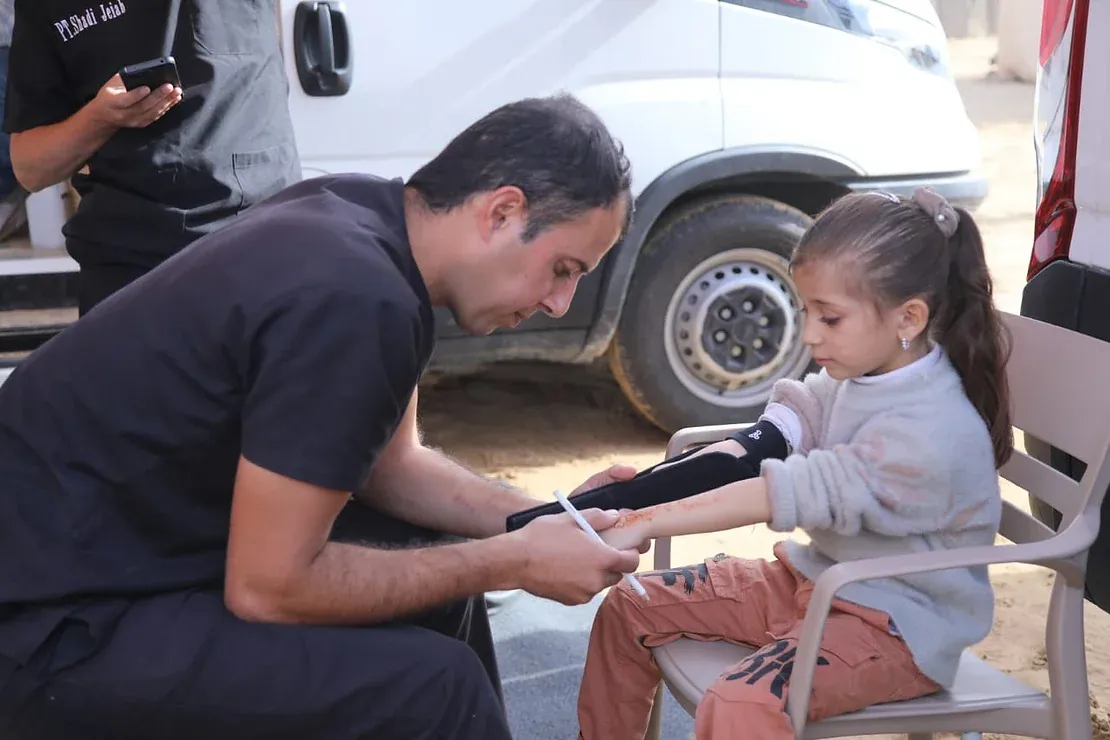
The devastating conflict in Gaza has created an unprecedented crisis in paediatric amputee care, with thousands of children requiring immediate and long-term support. Whilst the situation is heart-breaking, Jordan’s innovative response to this humanitarian emergency could revolutionise how we care for child amputees globally, particularly in resource-limited settings.

The Traditional Challenge of Paediatric Amputee Care

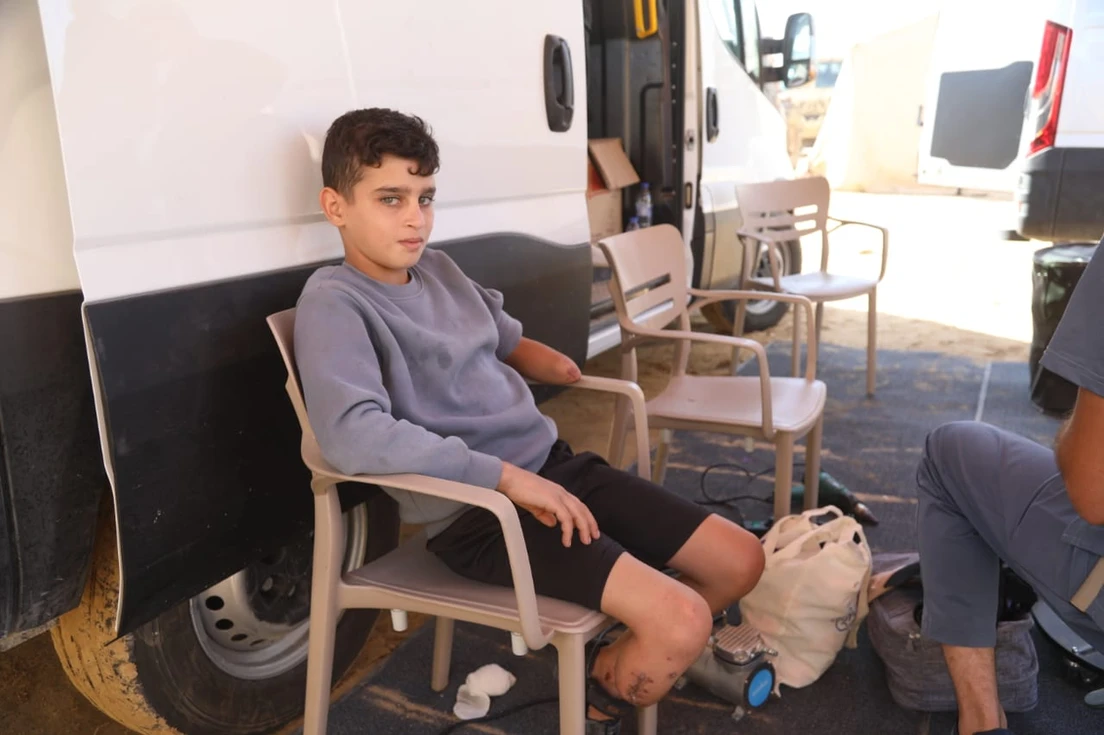
For decades, prosthetic care has primarily focused on adults, creating significant gaps in paediatric services. Adult prosthetics are designed for stable body dimensions, whereas children’s bodies are constantly growing and changing. This means children typically need multiple prosthetic adjustments and replacements throughout their development, leading to substantial ongoing social and economic costs (see www.lsngroup.org/post/early-intervention-in-prosthetic-care-the-game-changing-potential-to-unlock-higher-roi) for families and healthcare systems.

Moreover, children’s prosthetic needs differ fundamentally from adults’. Whilst adult prosthetics typically optimise for work and daily living activities, children require designs that support play, school participation, and sports. Their prosthetics must be more durable to withstand active play and have different weight-to-strength ratios to accommodate their smaller frames.
The Restoring Hope Initiative in Gaza

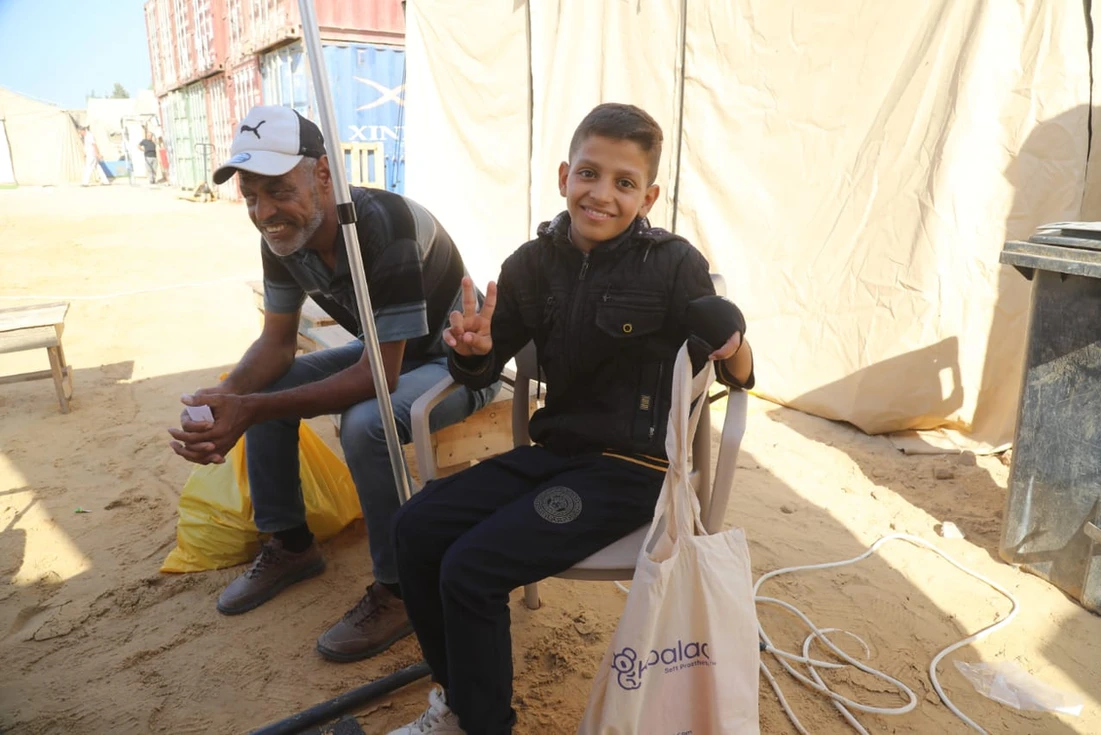
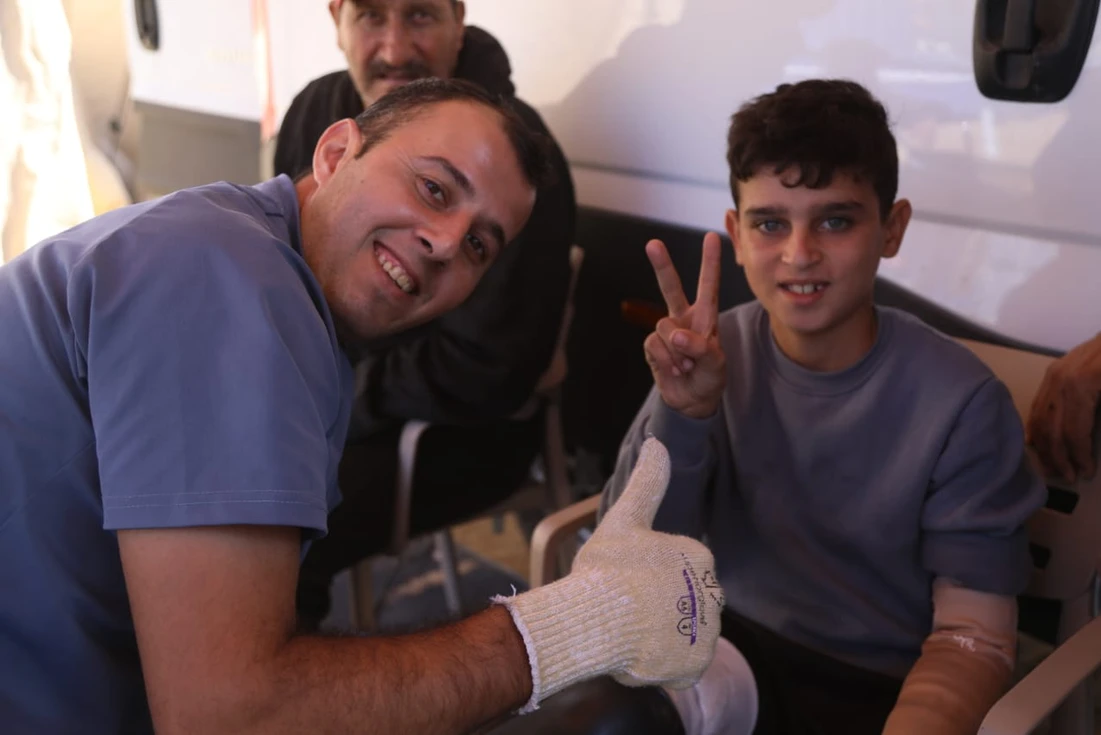
In response to the crisis in Gaza, LSN is exploring ways of establishing a comprehensive paediatric amputee care programme that addresses these longstanding challenges through the Restoring Hope Initiative.

The approach combines several innovative elements that could serve as a model for paediatric amputee care worldwide.

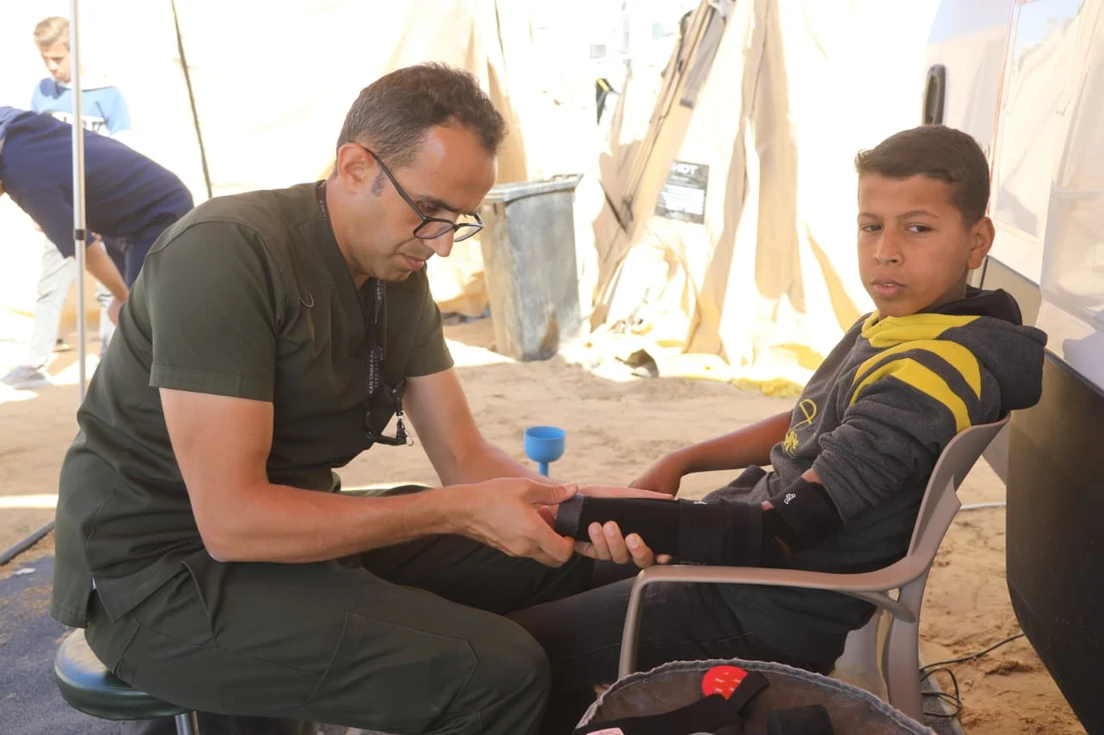
The first element is the introduction of fast-fitting prosthetics, where children can be fitted with prostheses in a matter of a couple of hours, meaning that they don’t lose weeks with fittings and avoid all the commensurate complications ( physical, emotional, educational, psychological) that a delay invokes.

For upper limbs at least, fast-fitting prosthetics can be fitted within 24 hours of surgery, so the prosthesis, like getting a new pair of glasses or new shoes, immediately becomes part of their identity.

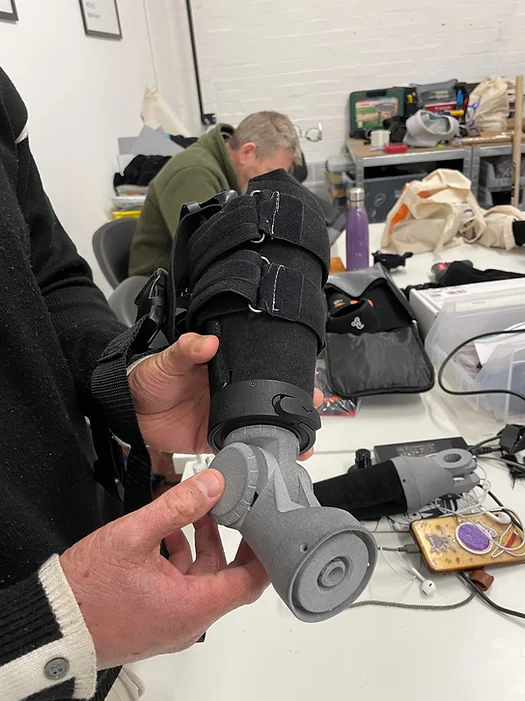
The second element is the use of modular prosthetic systems specifically designed for children, building on existing, proven technologies. The new features involve adjustable components that can “grow” with the child, significantly reducing the need for frequent replacements. The designs prioritise affordability and durability whilst maintaining functionality, making them particularly suitable for resource-limited settings. Modular prosthetics also reduce economic (and social) costs hugely (see https://www.lsngroup.org/post/transforming-lives-through-sustainable-prosthetics, as individual components can be replaced rapidly and cheaply with a child’s growth.

  • A modular fast-fitting arm prosthetics that can grow with children, significantly reducing the need for frequent replacements.

  • The third element is future proofing the approach so that it the amputee support services can be provided from a mobile base.  A distributed care network that brings services closer to patients. Mobile prosthetic clinics can then reach children who cannot travel to major medical centres, whilst telemedicine platforms enable remote consultations and adjustments. Whilst this approach could be especially valuable in crisis situations where traditional healthcare infrastructure may be compromised, it could transform conventional thinking about healthcare infrastructures making them much more cost effective and require less capital.

Integration of Support Services

Perhaps most significantly, this new programme recognises that successful paediatric amputee care extends far beyond the prosthetic device itself. Their integrated support system needs to combine physical therapy, psychological support, and educational assistance. We have documented in other briefs peer support networks that connect families facing similar challenges, whilst vocational training programmes help older children plan for their futures.

The programme can place greater emphasis family involvement, acknowledging that children’s care requires active participation from carers. Whilst in healthcare the focus is on the patient, with children the care they receive may affect the entire family. Caring for children is also about ensuring the family receive comprehensive education about prosthetic care, rehabilitation exercises, and supporting their child’s psychological adjustment.

Technology as an Enabler

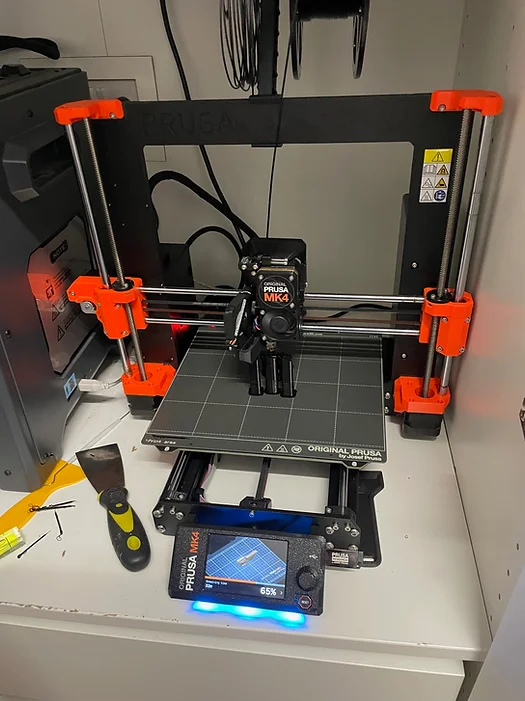
  • 3-D printing of a fast-fitting prosthetic; 3-D printing enables fast local production

  • Modern technology plays a crucial role in making this comprehensive care model possible. New remouldable materials and 3-D printing capabilities can enable rapid, local production of prosthetic components, whilst digital health records track children’s growth and adjustment needs. Mobile apps could guide families through rehabilitation exercises, and telehealth platforms maintain continuous contact between medical teams and patients.

    Global Implications

    The innovations emerging from the response to the Gaza crisis could transform paediatric amputee care worldwide. The modular prosthetic designs, distributed care networks, and integrated support systems vital in an emergency setting could address the longstanding challenges in paediatric prosthetic care that affect children everywhere, from war zones to peaceful nations.

Their model illustrates how effective paediatric amputee care must be holistic, considering not just the physical need for a prosthetic device, but the entire ecosystem of support a child needs to thrive. This includes psychological support for trauma recovery, educational assistance to maintain academic progress, and family support systems to ensure sustainable care.

Looking Forward

Whilst born from crisis, this innovative approach to paediatric amputee care offers hope for children worldwide who need prosthetic support. By demonstrating that comprehensive, child-centred care is possible even in challenging circumstances, we are creating a blueprint that could benefit children everywhere, from those affected by conflicts to those who lose limbs through accidents or illness.
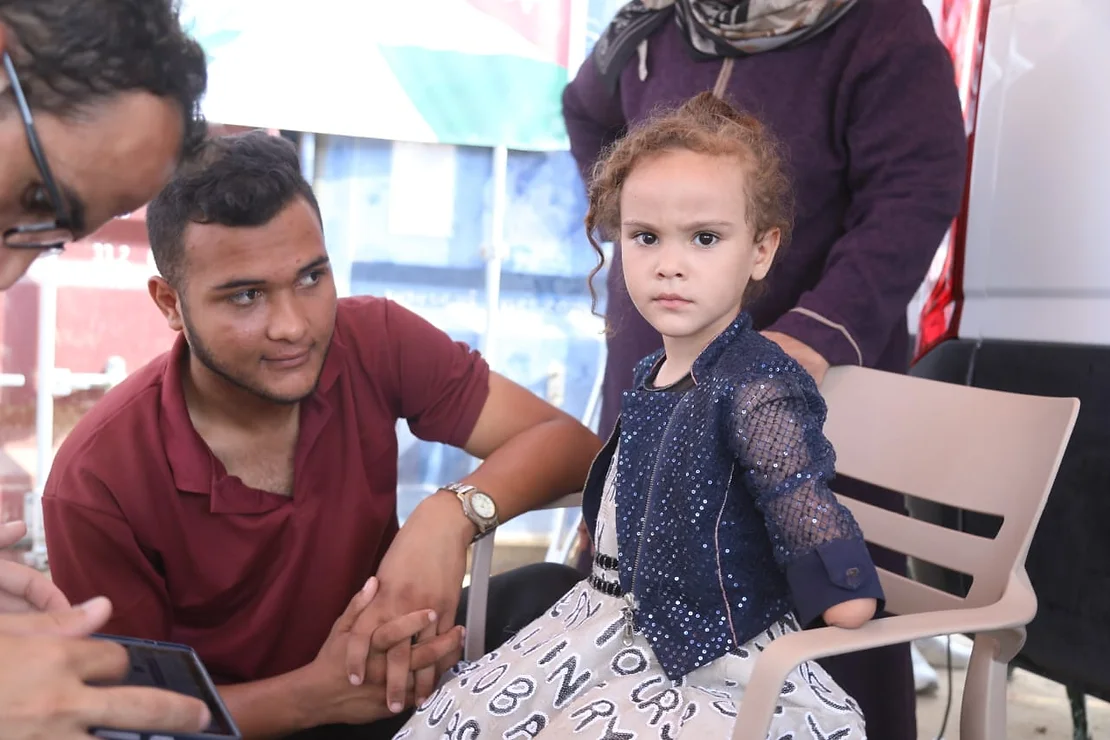
As we continue to learn from this model, we have the opportunity to transform paediatric amputee care globally, ensuring that every child who needs prosthetic support receives comprehensive, age-appropriate care that supports their full development and potential. Could the lessons learned from Restoring Hope in this humanitarian crisis help establish new international standards for paediatric amputee care, creating lasting positive change from an otherwise tragic situation?
Continue reading

Limbs for Life: Transforming Lives Through Sustainable Prosthetics

Limbs for Life: Transforming Lives Through Sustainable Prosthetics

Introduction: Bridging Gaps in Prosthetic Care

Access to prosthetic care is often limited for uninsured or underinsured individuals, particularly in economically disadvantaged regions. Limbs for Life, a non-profit organization based in the United States, has adopted an innovative and sustainable approach to meet this challenge. By integrating principles of the circular economy—recycling and repurposing prosthetic components—the organization provides affordable solutions to those who need them most. This case study explores Limbs for Life’s commitment to economic, environmental, and social sustainability, highlighting its funding model, healthcare vetting process, and transformative impact on amputees’ lives.


A Circular Economy Model: Sustainability in Action

The basis of Limbs for Life’s operations is in the circular economy approach: reuse, recycling, and resource efficiency. The organization sources used and surplus prosthetic components from clinics, manufacturers, and individuals across the United States, which would otherwise be unused or discarded.

  • Limbs for Life repurposes these components, providing limbs to those who would otherwise not be able access them and promoting a sustainable alternative to conventional healthcare practices. In doing so, the organization is also and extending the components’ lifecycle and reducing waste.

    This model exemplifies the principles of a circular economy, creating a ripple effect of benefits: reducing landfill waste, lowering the cost of prosthetic care, and improving accessibility for economically disadvantaged individuals.


Addressing Economic Sustainability: Cost-Effective Care

Economic barriers are a significant hurdle for many amputees seeking prosthetic care. Limbs for Life tackles this issue through its cost-efficient model. For every prosthetic device provided, the organization covers critical costs, including parts and clinic fitting fees, ensuring that financial constraints do not prevent individuals from regaining mobility.

Limbs for Life operates with a budget-conscious philosophy to ensure long-term sustainability. By matching demand with available financial resources, the organization maximizes its impact. In 2024, it allocated $300,000 to fund prosthetic fittings, benefiting over 120 individuals across the United States. Each prosthetic fitting—costing between $2,500 and $3,500—is funded through donations and an innovative endowment model.

This financial prudence extends to strategic decisions about recipient selection. Priority is given to individuals who demonstrate high potential for functional independence and social contribution. This focus ensures that each dollar spent delivers maximum value, both to the recipient and society.


Accountability: Ensuring Responsible Distribution

  • The process of selecting recipients and healthcare centres is a cornerstone of Limbs for Life’s success. Recognizing the importance of responsible distribution, the organization collaborates with over 300 clinics nationwide. These clinics perform evaluations to determine a candidate’s suitability for prosthetic use, assessing factors such as motivation, physical health, and potential for rehabilitation.

    For international recipients, the vetting process is even more rigorous. Individuals requesting components must provide detailed plans for usage, including the qualifications of prosthetists and logistical arrangements for fittings. This ensures that prosthetic components reach the right individuals and are used responsibly.

Limbs for Life also requires transparency from its partners, fostering trust and ensuring ethical distribution. By maintaining high standards for clinic partnerships, the organization safeguards the integrity of its mission and maximizes the impact of its work.


Social Sustainability: Empowering Individuals and Communities

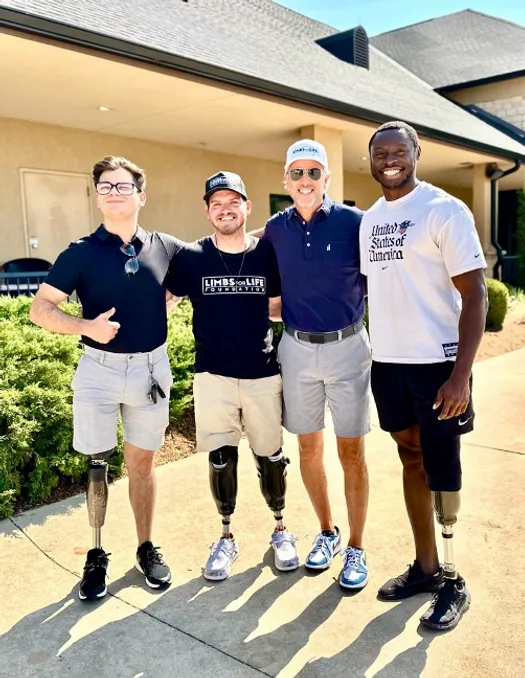
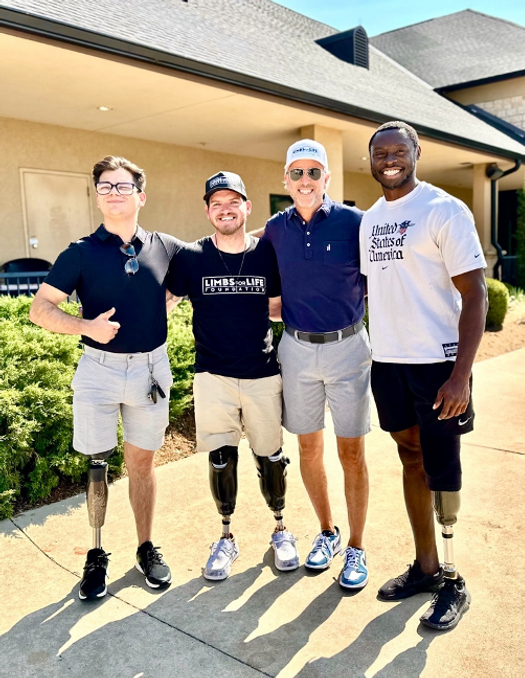
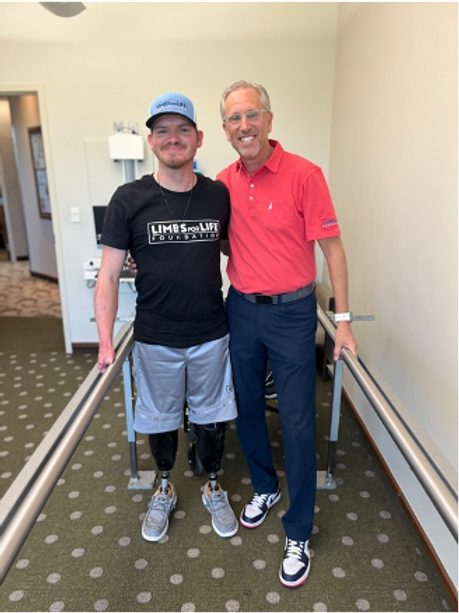
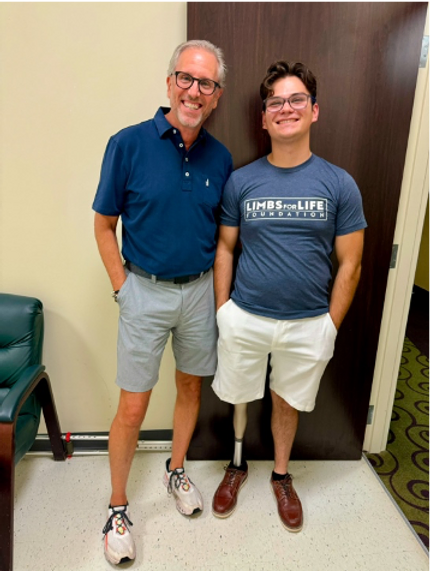
Beyond economic and environmental goals, Limbs for Life is deeply committed to social sustainability. The organization’s mission is to enable amputees to lead independent, fulfilling lives, contributing to their families and communities.

The impact of receiving a prosthetic extends far beyond physical mobility. For many recipients, it marks the beginning of a journey toward regaining confidence, dignity, and economic productivity. Limbs for Life emphasizes the importance of follow-up care, ensuring that recipients can adapt to their prosthetics and achieve the best outcomes.

Randy Titony, the organization’s Director, highlights the human connections that underpin their work. “It’s not just transactional,” he notes. “We want to know our recipients, understand their stories, and support them beyond the fitting process.” This personalized approach creates a ripple effect of empowerment, inspiring recipients to give back to their communities.


  • The Funding Model: A Non-Profit with Purpose

    Limbs for Life’s funding model is a testament to its commitment to sustainability. Unlike many organizations, it operates with a financial structure where 100% of donations go directly toward funding prosthetics. Overhead expenses are covered by an endowment fund established through significant legacy gifts, such as a $14 million bequest from a former donor.

    This approach ensures that every dollar donated translates into tangible impact. The organization also engages in diverse fundraising efforts, including community events, individual contributions, and corporate partnerships. By cultivating relationships with donors and emphasizing transparency, Limbs for Life builds trust and secures ongoing support.


The Broader Impact: A Model for Sustainable Healthcare

Limbs for Life’s work exemplifies how principles of the circular economy can transform healthcare delivery. By repurposing materials, reducing costs, and prioritizing social outcomes, the organization offers a blueprint for sustainable, equitable care.

Its model addresses multiple facets of sustainability:

  • Economic: Cost-efficient care maximizes the impact of limited resources.

  • Environmental: Recycling prosthetic components minimizes waste and conserves resources.

  • Social: Empowering amputees fosters community resilience and individual independence.

These benefits demonstrate the potential of sustainable healthcare initiatives to drive meaningful change. By prioritizing long-term outcomes over short-term gains, Limbs for Life not only meets immediate needs but also paves the way for systemic improvements in prosthetic care.


Conclusion: Sustaining Hope, Restoring Lives

Limbs for Life’s innovative approach to prosthetic care illustrates the power of sustainability in transforming lives. Through its circular economy model, rigorous vetting processes, and commitment to economic and social equity, the organization provides amputees with more than just mobility—it offers hope, dignity, and a second chance at life.

As the organization looks to the future, its impact continues to grow. By staying true to its mission and the principles of sustainability, Limbs for Life sets an example for other healthcare providers, proving that care can be both compassionate and resourceful. In doing so, it not only restores limbs but also builds a foundation for a more equitable and sustainable world.


Continue reading